



The Zest, and Nothing But the Zest
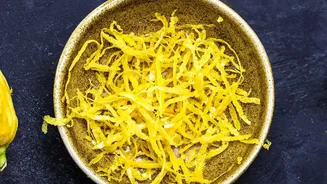
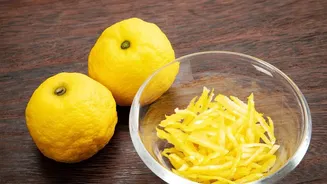
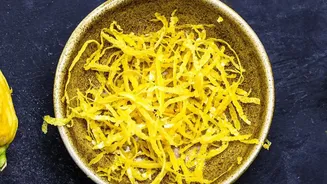
So, what is lemon zest? It's the thin, outermost yellow layer of the lemon peel. This part of the peel, technically called the flavedo, is where the fruit's essential oils are concentrated. These oils are responsible for that powerful, aromatic lemon scent
and flavour. Immediately beneath the zest is the pith, the thick, white, spongy layer. While the zest is a flavour powerhouse, the pith is notoriously bitter and best avoided in most recipes. When a recipe calls for zest, it's asking for only that colourful outer layer, which provides an intense flavour punch without the acidity or extra liquid of lemon juice.
The Science of Flavour
The magic of lemon zest lies in its chemical composition. It's packed with a compound called limonene, a terpene that gives citrus fruits their characteristic fresh, sweet aroma. This is what you smell when you scratch a lemon or twist a peel over a cocktail. Limonene is responsible for the floral, fragrant notes we associate with 'true' lemon flavour, whereas the juice primarily provides sourness from citric acid. By using zest, you introduce a complex, aromatic dimension to your desserts that juice alone simply cannot replicate. The oils in the zest carry flavour that is potent and pure, allowing you to boost the lemon taste without making your batter or custard overly acidic or watery.
Choosing Your Zesting Weapon
The tool you use makes a significant difference in the quality of your zest. For most bakers, the undisputed champion is the microplane. This rasp-style grater has ultra-sharp teeth that effortlessly shave off the fine layer of zest while leaving the bitter pith behind. A box grater can work in a pinch, but its holes are often too large, resulting in uneven pieces that may include some pith. A vegetable peeler creates wide strips, which are great for infusing liquids or creating garnishes but will need to be minced finely for incorporating into batters. Finally, a channel knife is a specialised bar tool designed for creating long, thin twists for cocktails, making it less ideal for general baking needs.
A Simple Trick for Maximum Impact
To truly unlock the power of your zest, don't just toss it into the wet ingredients. One of the most effective techniques used by bakers is to rub the lemon zest directly into the granulated sugar for your recipe. Using your fingertips, massage the zest and sugar together until the mixture feels like damp sand and becomes incredibly fragrant. The abrasive sugar crystals rupture the cell walls of the zest, releasing the precious essential oils and infusing every grain of sugar with potent lemon flavour. When you then cream this lemon sugar with butter or whisk it into eggs, the flavour is distributed far more evenly and intensely throughout your dessert.
Zest in Action: Cakes, Curds, and Creams
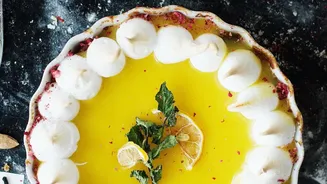
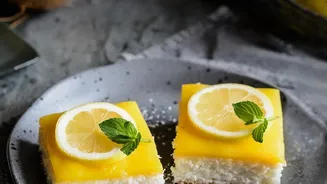
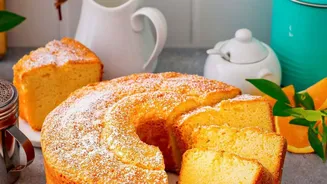
Lemon zest behaves differently depending on the application. In cakes and muffins, rubbing the zest into the sugar ensures a consistent, bright flavour in every bite. Because it adds no extra liquid, you can be generous with it to achieve a robust flavour without compromising the cake's delicate crumb. For custards and curds, the zest provides an aromatic depth that balances the tartness of the juice, creating a smoother, more well-rounded flavour profile. It's also indispensable in frostings, glazes, and whipped creams, where adding too much juice would result in a runny, separated mess. A little zest provides a huge flavour payoff while maintaining the perfect texture.