




Understanding Seed Oils
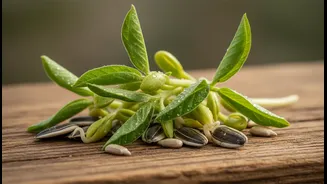
The term 'seed oils' typically refers to oils extracted from the seeds of plants, like sunflower, soybean, canola, corn, and safflower oil. They have become a hot topic in health circles. Concerns often focus on their high concentration of omega-6 fatty
acids and the industrial processes used for extraction. Restaurants frequently use them because they are affordable, have a neutral flavour, and possess a high smoke point, making them suitable for everything from deep frying to salad dressings. Traditional Indian fats like ghee, and oils like mustard and coconut oil, are often seen as healthier alternatives by those looking to avoid seed oils.
The Pre-Dinner Reconnaissance
A little homework can go a long way. Before you even leave the house, take a few minutes to scan the restaurant’s website or social media pages. Health-conscious establishments are increasingly proud of their ingredients and may advertise the fact that they cook with olive oil, ghee, or coconut oil. For a special occasion or if you have strict dietary needs, a quick, polite phone call during off-peak hours (avoiding the lunch or dinner rush) can clarify their cooking practices. Asking ahead of time is less stressful for both you and the restaurant staff.
Decoding the Menu
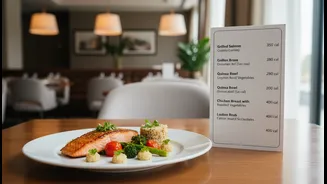
Once seated, read the menu with an eye for preparation methods. Words like 'crispy,' 'fried,' 'battered,' or 'crunchy' almost always signal the use of a deep fryer, which is typically filled with seed oils for economic reasons. Be mindful of sauces, aiolis, and salad dressings, as these are often made in bulk with inexpensive soybean or canola oil. On the other hand, dishes described as 'steamed,' 'grilled,' 'baked,' or 'roasted' offer a safer starting point. These methods use less oil, and you have a better chance of making a successful special request.
The Art of Asking Politely
This is the core of your 'audit'. How you ask is just as important as what you ask. Instead of a vague or demanding query, frame your question with curiosity and politeness. Try asking, “This sounds delicious! I’m just curious, what oil do you use for your sautéed vegetables?” or “I try to avoid vegetable oils; could you tell me if the dressing is made with olive oil?”. This approach educates the server on what you're looking for without putting them on the defensive. If your server doesn't know, politely ask if they could check with the kitchen.
Making Smart, Simple Requests
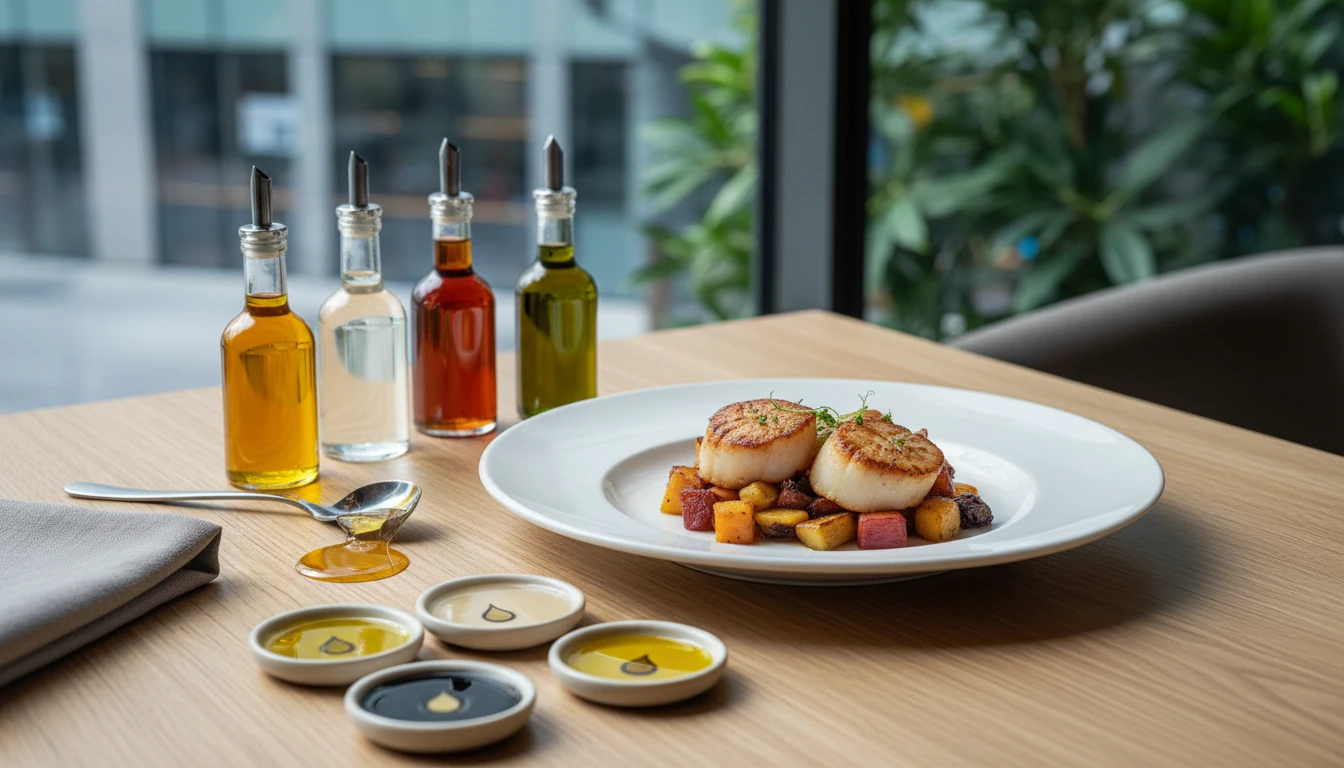
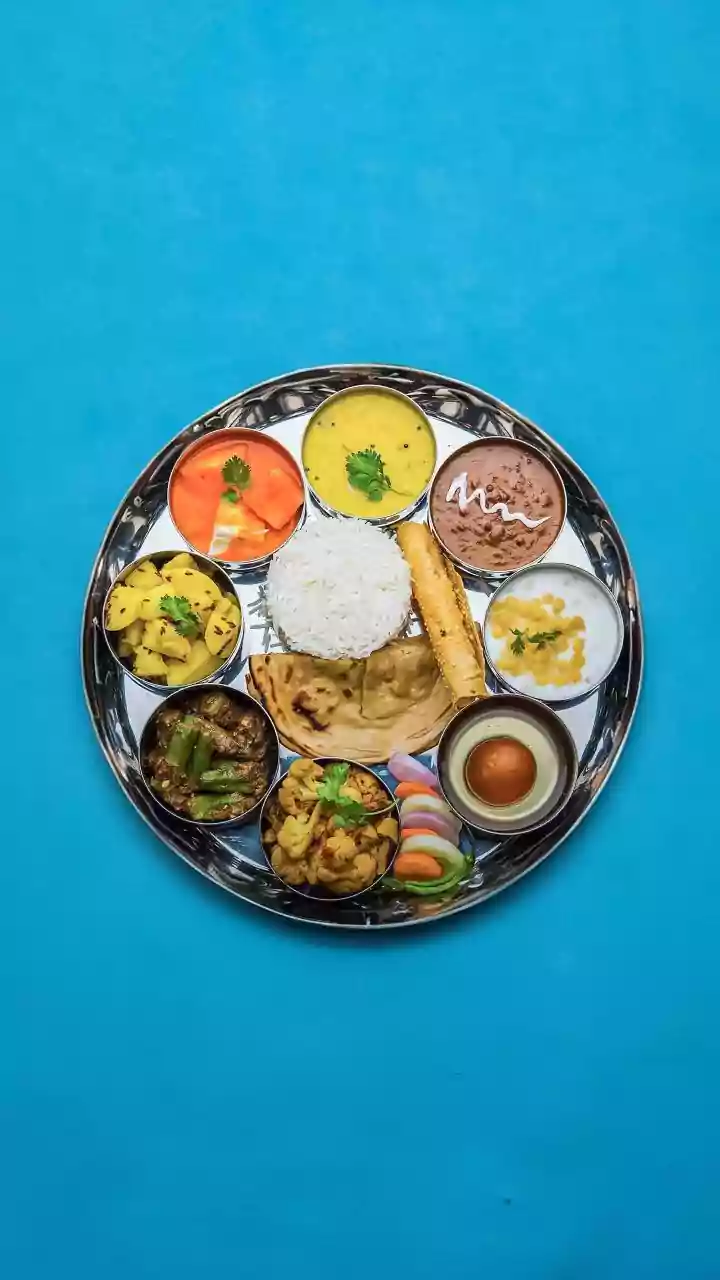
Restaurants are businesses of hospitality, but also efficiency. Simple requests are more likely to be accommodated. Ask for 'dressing on the side' so you can control how much you use, or skip it in favour of a drizzle of olive oil if available. For a grilled dish, you might ask, “Could the chef possibly cook my fish with a little butter or olive oil instead of the usual cooking oil?”. In an Indian context, especially at a fusion bistro, asking if a dish can be prepared with ghee is a reasonable question. Remember, asking to substitute one oil is easier than asking to re-engineer an entire dish.
Know When to Relax and Enjoy
Aim for mindfulness, not perfection. Completely avoiding seed oils when dining out can be challenging and might add unnecessary stress to what should be an enjoyable experience. The goal is to make a better choice where possible, not to achieve 100% purity. Sometimes, the 'good enough' option is the best one. You might choose a restaurant known for its traditional cooking methods, like a place that uses ghee for its dals or a Greek restaurant that relies on olive oil. Once you’ve made the most informed choice you can, put the audit aside and savour the food, the company, and the ambience.