

That Fear Of Missing Out Is Real
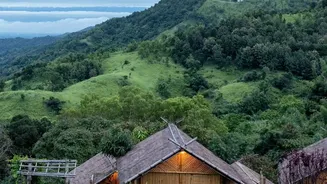
Let’s be honest, the pressure is immense. After a demanding week, the allure of a quick getaway to the mountains or a coastal town feels less like a luxury and more like a necessity. Your social media feed is likely filled with friends on scenic drives
or enjoying misty balcony views, and the fear of missing out, or FOMO, can feel overwhelming. This desire to escape and create memories is powerful. It makes ignoring a weather forecast tempting, especially when you’ve been planning this break for weeks. The thought process is common: "It's probably just a bit of rain," or "We'll be careful." But during monsoon season in India, a casual approach to official weather warnings can turn a much-needed break into a travel nightmare.
Decoding IMD's Colour-Coded Warnings
The IMD doesn't use colours for dramatic effect; each has a specific, critical meaning for your safety. A 'Yellow' alert means 'Be Aware'. It’s a signal to keep an eye on the weather as it could disrupt daily activities. An 'Orange' alert is a call to 'Be Prepared'. This means very heavy rain is expected, which could lead to transport disruptions and potential power outages. A 'Red' alert means 'Take Action'. This is the highest level of warning, indicating a forecast of extremely heavy rainfall (over 204.5 mm in 24 hours) that poses a severe risk to life and property. A red alert suggests that authorities expect significant disruptions, including flooding and landslides, and may issue evacuation orders. As of early July, red and orange alerts have been active for numerous states, including Delhi, Maharashtra, Kerala, Uttarakhand, and West Bengal, due to the active monsoon.
The Real Dangers Beyond Getting Soaked
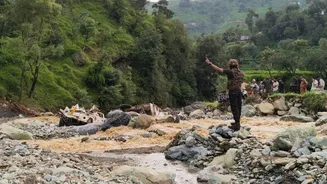
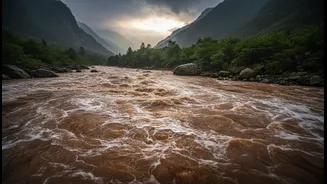
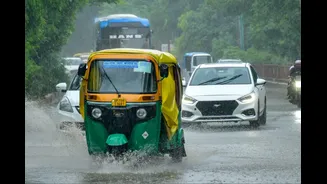
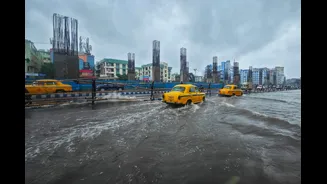
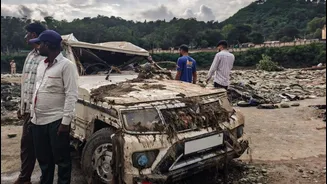
The risk isn't just a cancelled trek or a ruined photo opportunity. Heavy monsoon rains create genuinely hazardous conditions. Recent incidents across the country serve as a stark reminder. In Wayanad, Kerala, a tragic landslide triggered by exceptionally heavy rain resulted in fatalities and missing persons. In Palghar, Maharashtra, a fun day at a waterfall turned into a terrifying ordeal when water levels surged in minutes, trapping tourists in strong currents. Even popular hill stations like Lonavala have seen tourists and locals evacuated due to flooding. These aren't isolated incidents. Landslides on the Mumbai-Pune expressway have shut down one of India's busiest corridors, stranding thousands. Flights and trains are frequently cancelled or severely delayed, leaving travellers stuck for hours, sometimes days. The Maharashtra government has even urged people to avoid 'monsoon tourism' altogether until conditions improve, citing loss of life from falling trees, flooding, and landslides.
A Cancelled Plan Is Better Than A Crisis
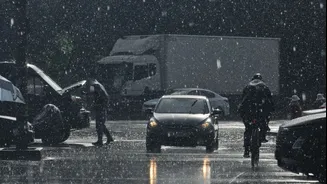
It’s easy to think that bad things happen to other people. But venturing into areas under an orange or red alert isn't an adventure; it's a gamble. Local authorities and National Disaster Response Force (NDRF) teams are already stretched thin during these periods, responding to emergencies and helping affected residents. Adding tourist vehicles to blocked, flooded, or landslide-prone roads only adds to the chaos and diverts critical resources. The thrill of a monsoon drive can quickly vanish when you're stuck in a 12-hour traffic jam with no food, water, or phone signal, or worse, caught in a flash flood. A cancelled or postponed trip might sting, but it ensures your safety and allows emergency services to do their jobs effectively. The mountains and beaches will still be there in a few weeks when the weather is safer for everyone.