


The Legacy of a Superfood
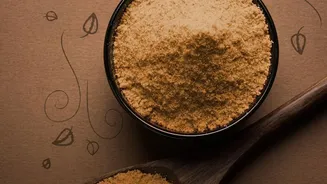
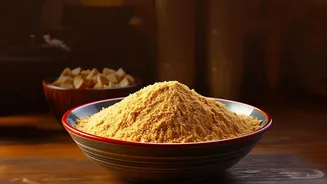
For generations, sattu has been the quiet workhorse of the Indian diet, particularly in states like Bihar, Jharkhand, and Uttar Pradesh. Often called the 'poor man's protein', this flour is traditionally made by roasting Bengal gram (chana) and grinding
it into a fine powder. Its origins are ancient, with historical texts noting its use as a high-energy, non-perishable food for soldiers and travellers. Traditionally, it’s consumed as a cooling 'sharbat'—a simple drink mixed with water, salt, and lemon—to combat the intense summer heat. It was the original, all-natural energy drink, providing sustained fuel for farmers and labourers long before commercial supplements existed.
A Nutritional Powerhouse
The recent surge in sattu's popularity is no surprise when you look at its nutritional profile. It is a fantastic source of plant-based protein, with some varieties offering around 20-25 grams of protein per 100 grams, crucial for muscle repair and growth. It's also incredibly rich in dietary fibre, which aids digestion, promotes a feeling of fullness, and helps manage weight. Furthermore, sattu is packed with essential minerals like iron, magnesium, and calcium. One of its most significant benefits for fitness lovers is its low glycemic index, meaning it releases energy slowly, preventing sudden sugar spikes and crashes, making it an ideal food for sustained stamina.
The Smoothie Bowl Transformation
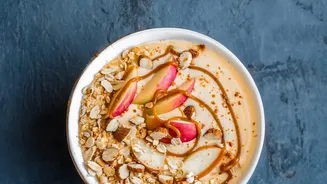
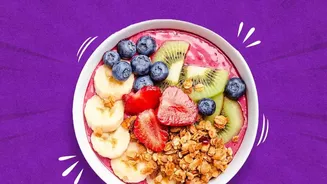
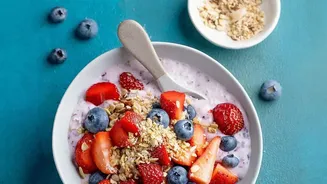
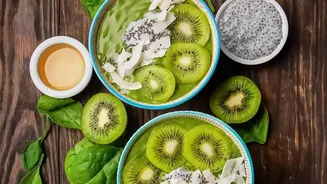
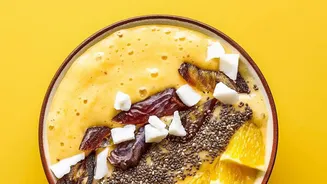
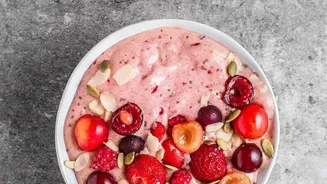
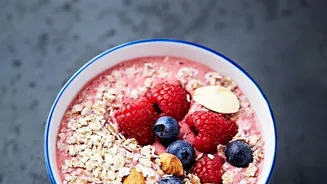
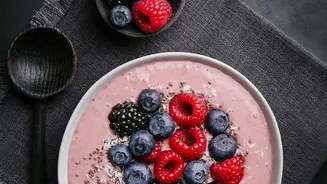
Enter the smoothie bowl—a thick, spoonable blend of fruits, liquids, and nutrient-dense powders, adorned with an array of toppings. This global wellness trend has found its perfect Indian counterpart in sattu. The nutty, earthy flavour of roasted gram flour provides a satisfying base that pairs beautifully with both traditional and contemporary ingredients. Blending sattu into a smoothie bowl is a clever way to pack a protein punch into breakfast or a post-workout meal without relying on processed powders. Its natural cooling properties make a sattu-based smoothie incredibly refreshing after exercise, helping to regulate body temperature while replenishing nutrients.
Crafting Your Perfect Bowl
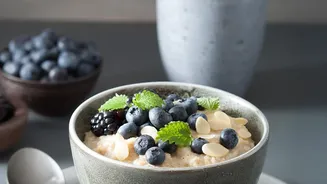
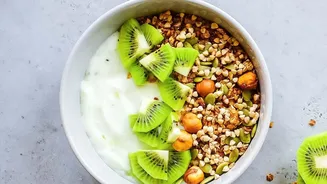
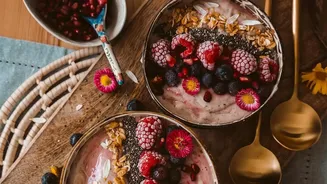
Creating a sattu smoothie bowl is simple and highly customizable. The basic formula involves blending a liquid, a thickener, sattu, and a sweetener. Start with a base of yogurt, milk, or a plant-based alternative like almond milk. Add a ripe banana or half an avocado for a creamy texture. Then, spoon in 2-3 tablespoons of sattu flour. For natural sweetness, you can add dates, a drizzle of honey, or jaggery powder. Blend until the mixture is thick and smooth. Pour it into a bowl and get creative with toppings. Fresh fruits like pomegranate and berries add antioxidants, while a sprinkle of chia seeds, pumpkin seeds, and nuts adds healthy fats and a satisfying crunch.
More Than Just a Trend
While the sattu smoothie bowl is a new phenomenon, the modernisation of this ancient superfood doesn't stop there. Creative home cooks and health cafes are incorporating it into everything from protein laddoos and energy bars to savoury pancakes (chilla) and even baked parathas. This shift signifies a broader movement towards embracing indigenous ingredients in modern, convenient formats. It’s a celebration of sustainable, affordable, and nutrient-dense food that has been part of our culture for centuries. The rise of sattu in contemporary wellness proves that sometimes the most powerful health solutions are the ones that have been in our kitchens all along.