



More Than Just a Pretty Space
For too long, urban parks have been dismissed as mere amenities—nice-to-have green patches for weekend picnics or morning jogs. This thinking is dangerously outdated. In an era of rapid urbanisation and climate change, especially across India, we must
recognise parks for what they are: hardworking, multi-purpose infrastructure. Just like roads, water pipelines, and power grids, green spaces are critical systems that keep a city functional, liveable, and resilient. To view them as expendable luxuries is to ignore their profound and measurable contributions to our collective well-being.
The Economic Powerhouse in Your Neighbourhood
The argument that parks are an economic drain is fundamentally flawed. In reality, they are powerful economic engines. Studies consistently show that well-maintained parks boost the value of nearby properties, increasing property tax revenues for municipalities. They attract tourism and local spending, creating a ripple effect that supports small businesses from cafes to event organisers. Furthermore, every dollar invested in parks can yield a significant return in economic benefits, including job creation in recreation and maintenance. When we invest in a park, we are not just planting trees; we are investing in local prosperity and creating a more attractive environment for businesses and residents alike.
A Prescription for Public Health
The health benefits of urban green spaces are staggering. Access to parks encourages physical activity, helping to combat chronic diseases. But the impact goes beyond the physical. Spending just 20 minutes in a natural setting can lower stress hormones. Research shows that people living closer to green spaces report better mental health, with lower rates of anxiety and depression. In our increasingly stressful urban environments, parks offer a free, accessible, and effective tool for improving public health. They are, in essence, a form of preventative healthcare infrastructure that reduces the burden on our medical systems and improves quality of life for millions.
Our Cities' Climate Champions
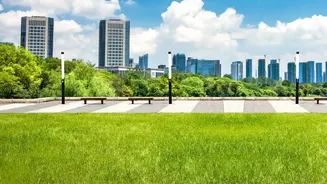
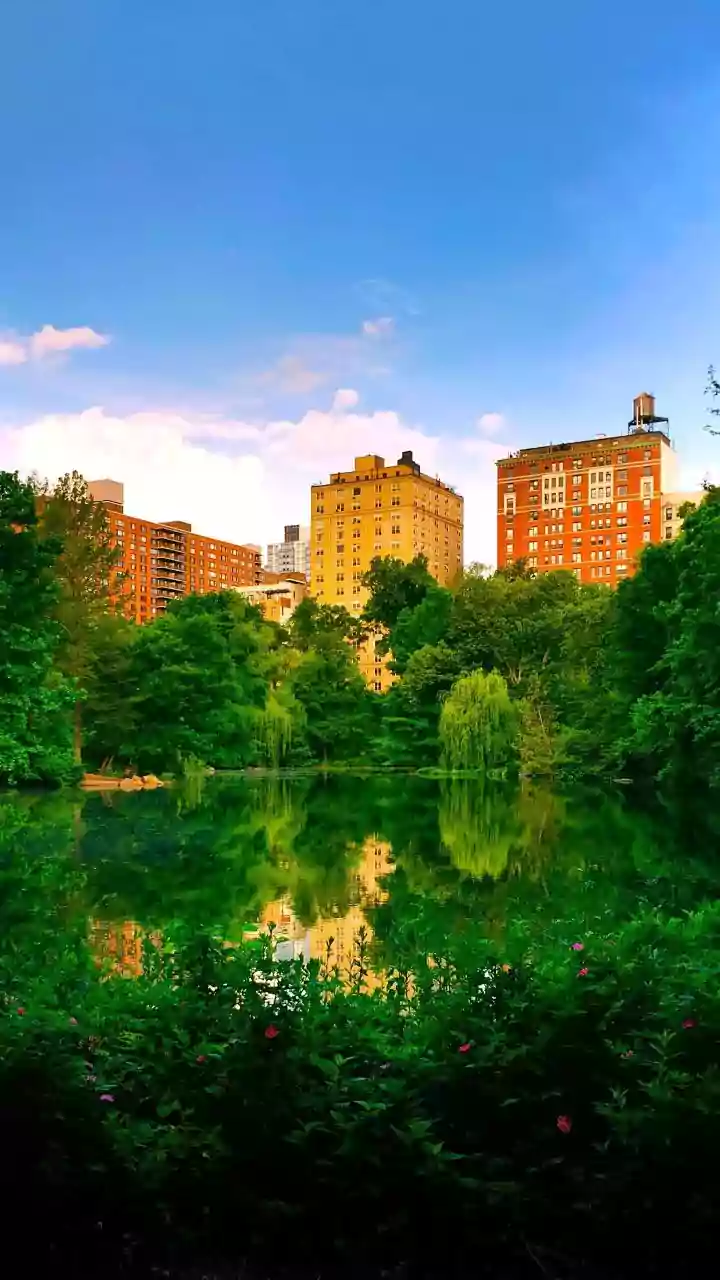
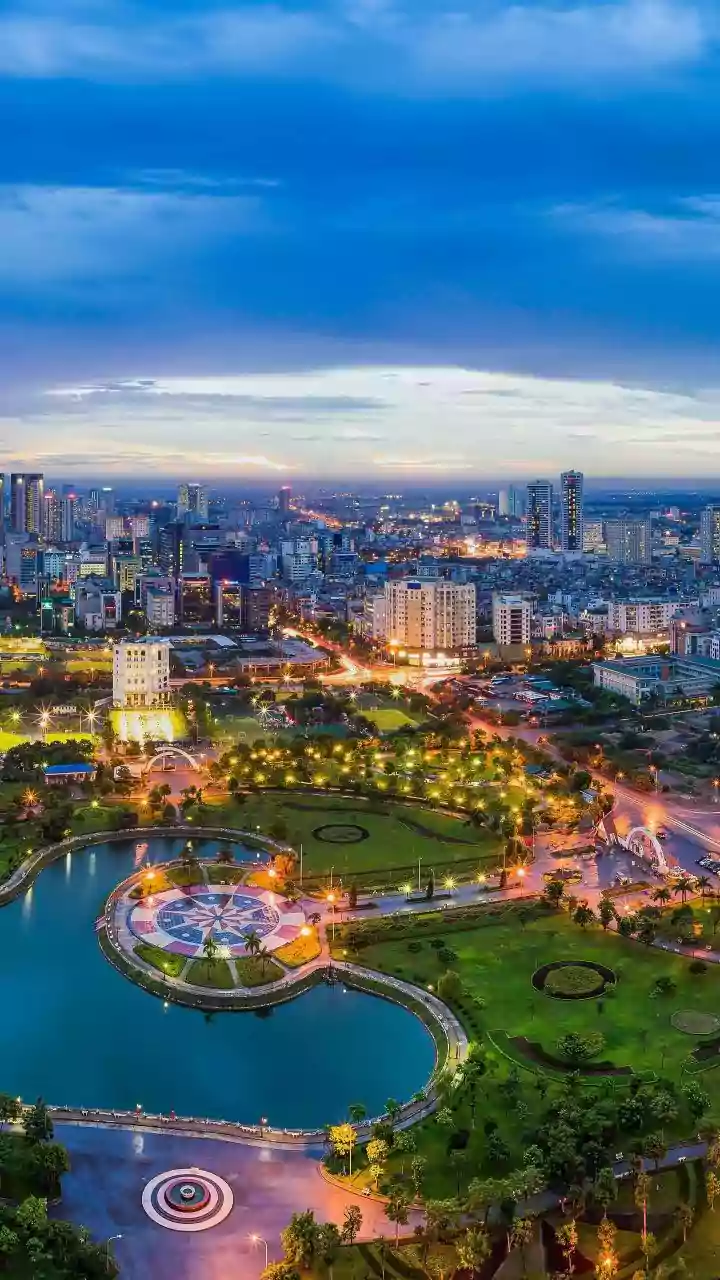
As Indian cities face the growing threats of extreme heat and flooding, parks emerge as our frontline defence. A canopy of trees can significantly cool a neighbourhood, mitigating the dangerous “urban heat island” effect that plagues concrete jungles. A recent citizens' protest in Bengaluru highlighted this, noting that parks can be over 2°C cooler than their surroundings. Permeable parklands act like giant sponges, absorbing heavy rainfall and reducing the strain on overwhelmed stormwater drains, saving cities millions in costly grey infrastructure. They filter air pollutants and sequester carbon, making our cities healthier and more sustainable. Treating parks as green infrastructure isn't just poetic; it's a pragmatic climate adaptation strategy.
Weaving the Social Fabric
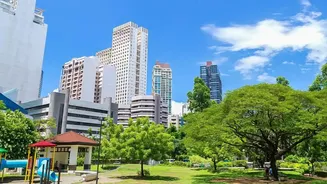
Beyond the economic and environmental benefits, parks are the heart of community life. They are democratic spaces where people from all walks of life can connect. They host farmers' markets, cultural festivals, and community gatherings, strengthening social bonds and fostering a sense of belonging. For children, they are crucial spaces for play and development. For the elderly, they offer a place for gentle exercise and social interaction. In a world that is becoming more socially fragmented, these shared public spaces are more important than ever. They are the infrastructure of community itself, essential for building a cohesive and equitable society.