



Back to the Ghani: What Are Cold-Pressed Oils?
Before modern refining took over, oils were extracted using a simple, powerful method. In India, this was the 'kachi ghani' or 'chekku', a large mortar and pestle, often powered by bulls, that would crush seeds to release oil without any external heat.
Today's cold-pressing uses modern steel presses, but the principle is the same: mechanical pressure, not high heat or chemical solvents, extracts the oil. This low-temperature process (usually below 49°C) is crucial. Unlike refined oils, which are heated to high temperatures and treated with chemicals to make them neutral and uniform, cold-pressed oils retain the natural colour, aroma, and, most importantly, the nutrients of the original seed.
An Upgrade in Flavour and Aroma
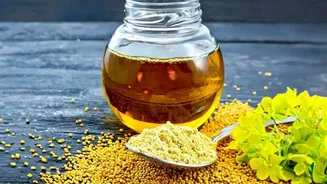
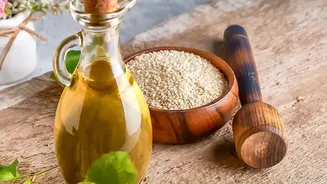
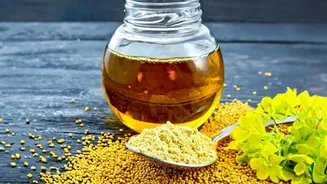
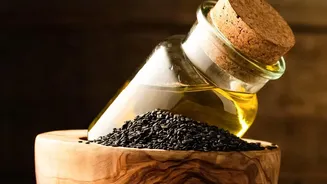
The most immediate difference when cooking with cold-pressed oils is the taste. Refined oils are designed to be neutral, a blank canvas. Cold-pressed oils, however, are an ingredient in their own right. Cold-pressed mustard oil delivers a pungent, sharp kick that is essential for authentic Bengali fish curries or the 'jhanjh' in North Indian pickles. Cold-pressed groundnut oil offers a mild, nutty sweetness that rounds out the flavours in Gujarati dals and Maharashtrian sabzis. Similarly, the earthy, rich notes of cold-pressed sesame oil (til oil) are indispensable in many South Indian podis and chutneys. This is because the gentle extraction process preserves the natural flavour compounds that are intentionally stripped away during refining.
The Nutritional Advantage
The 'upgrade' in the headline is most evident in the nutritional profile. The high heat and chemical processing of refined oils can strip away beneficial compounds like antioxidants, vitamins, and polyphenols. Cold-pressed oils, by contrast, keep these intact. They are rich in natural antioxidants like Vitamin E and phytosterols, which help fight oxidative stress in the body. Furthermore, they are excellent sources of healthy fats. Mustard oil is prized for its balanced ratio of omega-3 and omega-6 fatty acids, while groundnut and sesame oils are packed with heart-healthy monounsaturated and polyunsaturated fats. These fats are linked to better cardiovascular health, including helping to manage cholesterol levels.
Smart Use in the Indian Kitchen
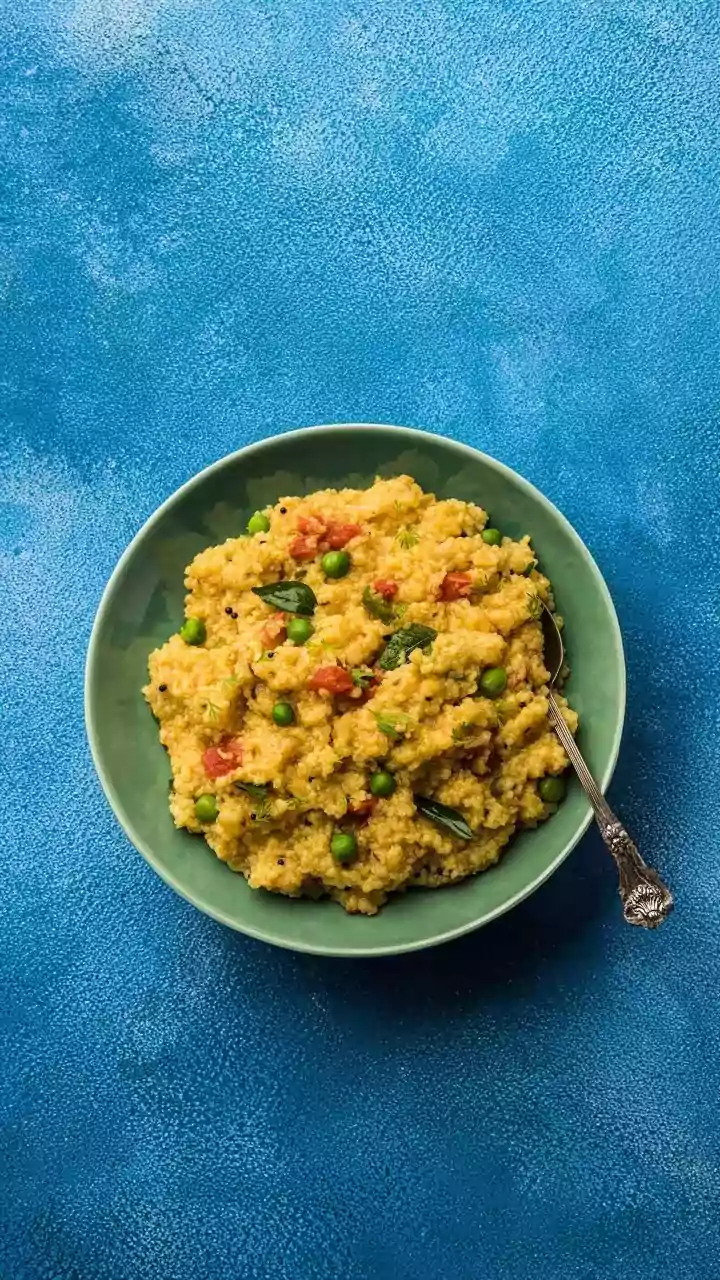
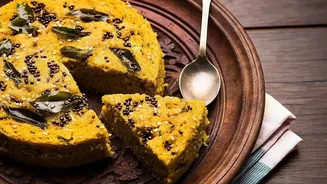
A common myth is that cold-pressed oils are unsuitable for Indian cooking due to a low smoke point. This is largely untrue for the oils in question. While some delicate oils have low smoke points, cold-pressed mustard oil (around 200-250°C) and groundnut oil (around 180-230°C) have smoke points high enough for most Indian cooking methods, including tadka, sautéing, and even frying. The key is to use them correctly. Groundnut oil is a versatile, stable choice for everyday sabzis, dals, and shallow frying snacks. Pungent mustard oil shines in pickles, marinades, and high-heat vegetable preparations. Sesame oil is perfect for tempering South Indian dishes or as a finishing drizzle. Using the right oil for the right dish not only enhances taste but also preserves the oil's nutritional integrity.