





More Than Just Muscle Repair
After a tough workout, your first thought is probably protein for muscle repair. And you're not wrong. Protein provides the essential amino acids your body needs to mend the microscopic tears in muscle fibres, which is how you get stronger. But protein is only
one part of the recovery equation. During intense exercise, your body's primary fuel source isn't protein; it's glycogen, the stored form of carbohydrates in your muscles and liver. When you finish a session, those stores are significantly depleted, leaving you feeling drained and fatigued. Ignoring this energy debt is a common mistake that can slow down your recovery.
Refueling the Glycogen Tank
This is where fruit makes a powerful entrance. Whole fruits are packed with natural sugars like glucose and fructose, which are exactly what your body needs to replenish its depleted glycogen stores. This replenishment process is most efficient in the 30-to-60-minute window right after you finish exercising. By quickly refilling these energy tanks, you actively combat the profound fatigue that can set in post-workout. The carbohydrates from the fruit provide the immediate energy needed for recovery, allowing the protein you consume to focus on its main job: rebuilding muscle tissue. Pairing carbs and protein in a 3:1 or 2:1 ratio is often recommended for optimal recovery.
The Digestive Health Connection
Ever feel bloated or uncomfortable after a protein shake? You're not alone. High-protein diets, especially those reliant on supplements, can sometimes be tough on the digestive system. This is the second problem that whole fruit solves. Unlike fruit juice or other simple sugars, whole fruits are a fantastic source of dietary fibre. Fibre is crucial for maintaining a healthy gut. Soluble fibre, found in fruits like apples and berries, forms a gel-like substance in your gut that slows digestion. This not only helps you feel full longer but also regulates blood sugar and can assist in the smooth processing of nutrients. Insoluble fibre adds bulk and helps keep your bowel movements regular, preventing the constipation that can sometimes accompany a high-protein intake.
Why Whole Fruit Is Superior
It’s tempting to reach for fruit juice for convenience, but doing so means you miss out on the most important digestive benefit: the fibre. The process of juicing strips most of the fibre away, leaving you with concentrated sugar. While that sugar can still help with glycogen, it doesn't support your gut in the same way. Whole fruits provide a complete package of vitamins, minerals, antioxidants, and both soluble and insoluble fibre. Antioxidants, like those found in berries and cherries, also play a role in reducing inflammation and exercise-induced oxidative stress, further aiding recovery.
Your Post-Workout Fruit Guide
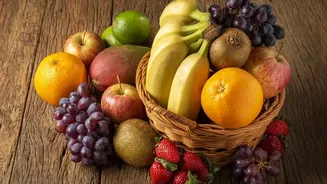
While most fruits offer benefits, some are particularly well-suited for post-workout recovery. Consider these options for your next smoothie: - Bananas: A classic choice for a reason. They are rich in easily digestible carbohydrates and potassium, an essential electrolyte lost through sweat that helps with muscle function. - Berries: Strawberries, blueberries, and raspberries are low in calories but high in fibre and antioxidants, which help fight inflammation and muscle stress. - Pineapple: This tropical fruit contains bromelain, a natural enzyme that has anti-inflammatory properties and can aid in protein digestion. - Oranges: A great source of vitamin C, which helps support the immune system and connective tissue repair after the stress of exercise. - Papaya: Contains an enzyme called papain, which can help your body break down and absorb protein more efficiently.