




The Current Wait Time Landscape
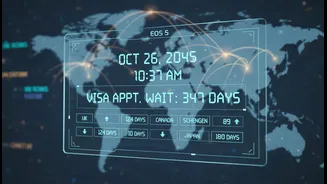
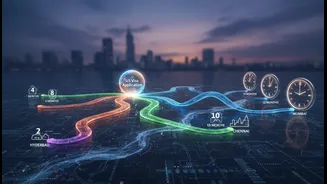
For first-time B1/B2 (business and tourist) visa applicants, securing an interview is the biggest variable. As of mid-2026, wait times can range from a few months to nearly a year depending on the consulate. For instance, wait times in Mumbai and Hyderabad
have recently been reported to be as long as 9.5 months. New Delhi follows with waits around 7.5 months, while Chennai sits at approximately 5.5 months. Kolkata often reports the shortest wait times, sometimes around 4 months, due to a lower volume of applicants. These figures represent a significant improvement from the post-pandemic peaks which saw waits exceeding 800 days, but they still require immense advance planning. It's crucial for applicants to know that these are estimates for those requiring an interview; renewals eligible for the interview waiver or 'dropbox' process are significantly faster, often taking just a few weeks.
Why Such Long and Varied Waits?
The persistent delays are a result of several converging factors. A massive backlog created by consular shutdowns during the pandemic is still being cleared. This is compounded by a soaring demand for US travel from India for tourism, education, and business. While US missions in India issued a record number of visas in recent years, the number of applicants continues to strain resources. Consular staffing levels, the physical capacity of each facility, and increased security and vetting procedures also play a role in how many interviews can be conducted daily. The different wait times between cities often come down to local demand versus processing capacity. Mumbai and Delhi, for example, are major hubs that receive an enormous volume of applications, leading to longer queues.
Location, Location, Location: A Key Strategy
A key piece of information for Indian applicants is that they are generally permitted to schedule their visa interview at any of the five US posts in India: the Embassy in New Delhi, or the Consulates in Mumbai, Chennai, Hyderabad, and Kolkata. This flexibility has become a cornerstone of strategic planning. Many applicants now actively monitor appointment availability across all five locations and are willing to travel to a different city to secure an earlier date. Reports from earlier in 2026 suggested that Chennai and Kolkata offered the fastest appointment slots, with waits of around one to three months, making them attractive options for those with urgent travel needs or more flexible schedules. This strategy, while effective, requires constant monitoring of the official visa scheduling portal, as new slots can be released without notice.
Your Planning Playbook
Given the unpredictable nature of wait times, proactive planning is non-negotiable. The primary advice from experts is to apply as early as possible—ideally 6 to 12 months before your intended travel date. First, complete the online DS-160 application form and pay the fee, which is required before you can even see the available appointment dates. Once you have an appointment, even if it's far in the future, check the scheduling portal regularly. Slots frequently open up due to cancellations or as consulates add more capacity, allowing you to reschedule for an earlier date. Also, determine if you are eligible for the interview waiver (dropbox) program, which applies to many renewals and can save months of waiting. Finally, ensure all your documentation is flawless to avoid administrative processing delays after your interview.
Is Relief in Sight?
The US Department of State has acknowledged the long waits in India and has taken steps to increase capacity. Initiatives have included sending temporary consular officers, holding special weekend interview drives, and expanding eligibility for interview waivers. These efforts have been successful in bringing down the peak wait times from over two years to the current, more manageable (though still long) several-month period. While these measures have helped, the fundamental issue of demand outstripping supply remains. For the foreseeable future, Indian travelers should expect that securing a US visa will be a marathon, not a sprint, and that careful, strategic planning is the only reliable path forward.