


A Ritual Set in Smoke and Rain
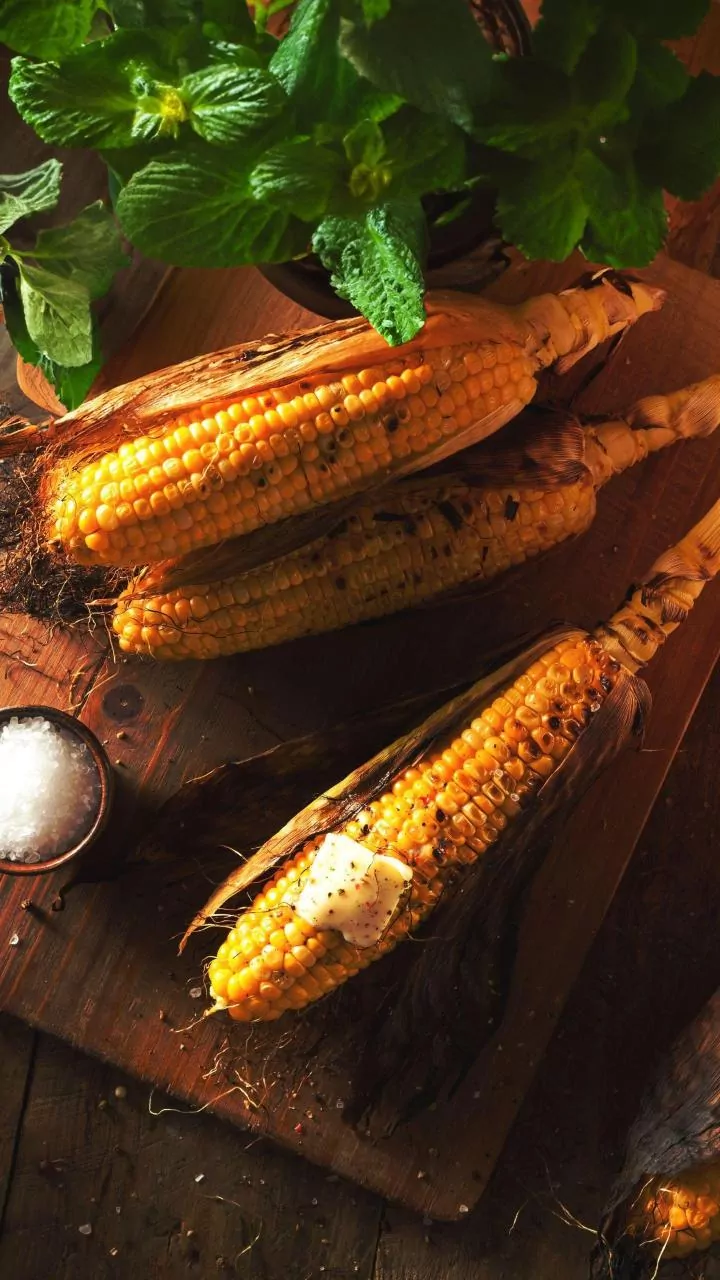
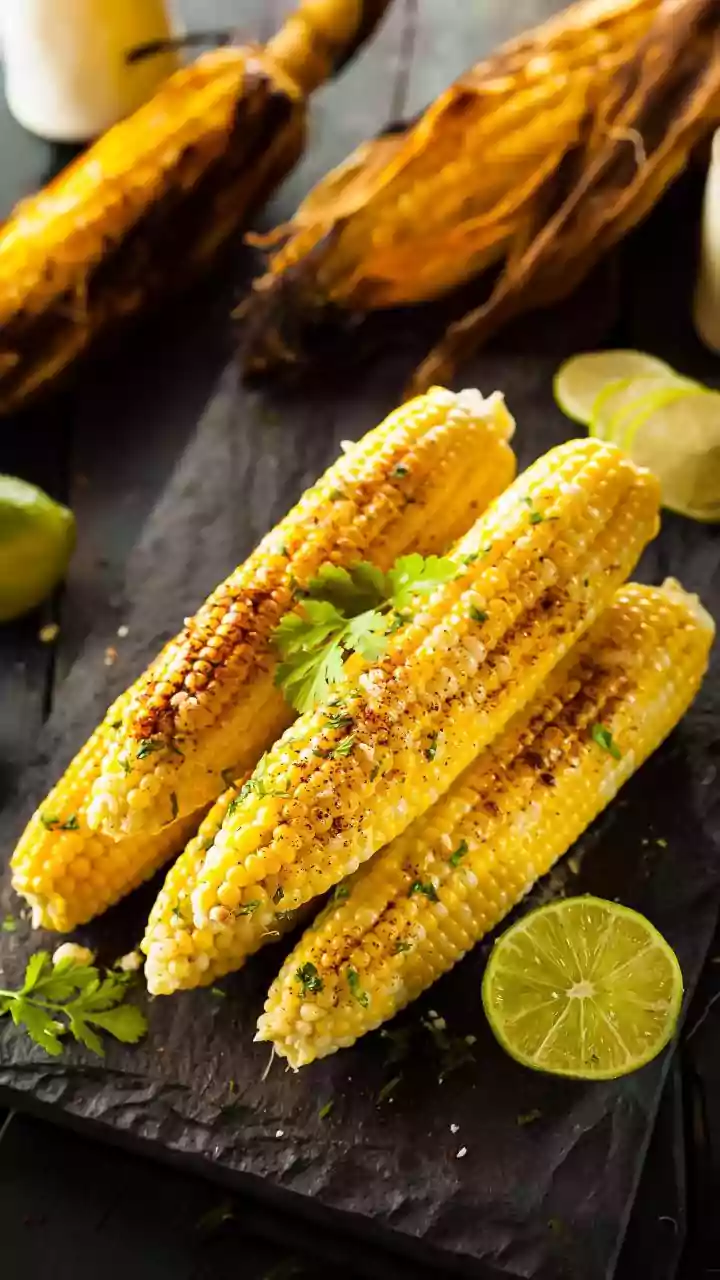
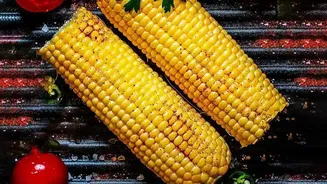
The experience is a ritual in itself. You spot the bhutta-walla, fanning embers on a small cart, the corn cobs slowly charring over the hot coals. The sight and sound—the crackle of the fire, the sizzle of the kernels, the rhythmic motion of the vendor
turning the cobs—are as much a part of the appeal as the taste itself. For many, this isn't just a snack; it's a cherished memory linked to childhood, evening walks, or taking shelter from a sudden downpour. The warmth of the freshly roasted cob provides a simple, comforting counterpoint to the cool, damp weather, making it an essential part of the monsoon experience.
The Perfect Symphony of Flavours
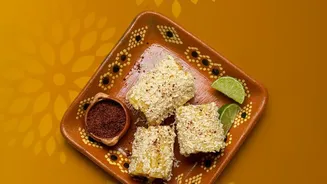
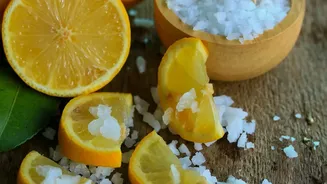
The magic truly happens when the holy trinity of seasonings is applied. A wedge of lime is dipped into a mix of salt and chilli powder and then rubbed vigorously over the hot, charred kernels. This is where basic taste science creates something extraordinary. The natural sweetness of the corn, heightened by the roasting process, is the perfect canvas. The salt enhances this sweetness and adds its own savoury dimension. The tangy lemon juice cuts through the starchiness, providing a bright, acidic burst that makes your mouth water. Finally, the chilli powder delivers a gentle, lingering heat that warms you from the inside. Each bite is a complex explosion of sweet, sour, salty, and spicy—a perfectly balanced flavour profile that is both simple and deeply satisfying.
The Art of the Bhutta-Walla
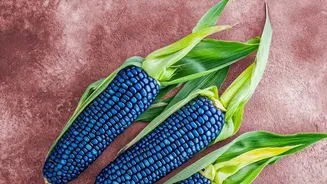
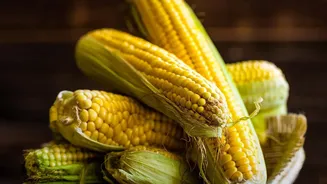
The individuals who sell bhutta on the street, known as bhutta-wallas, are masters of their craft. Their technique is precise: they know exactly how long to roast the corn to achieve a tender interior with a satisfyingly charred exterior. Some customers have specific preferences—less char, more masala, extra lime—and the vendors deftly accommodate. They often use the desi bhutta, a native Indian variety that is less sweet and more starchy than American sweet corn, making it ideal for roasting as its flavour doesn't get overpowered by the smokiness and spices. These vendors, appearing on street corners as soon as the monsoon season begins, are the gatekeepers of this beloved culinary tradition.
More Than Just a Snack
Beyond its taste, the popularity of bhutta is tied to its accessibility and health benefits, especially compared to other street foods. Corn is harvested during the monsoon months, ensuring that what you're eating is fresh and seasonal. Roasted or steamed, it is a healthier alternative to deep-fried monsoon snacks like pakoras and samosas. Corn is a good source of dietary fibre, which aids digestion and keeps you feeling full for longer. It also contains essential nutrients like B vitamins and antioxidants. This makes it a relatively guilt-free indulgence that satisfies cravings without the heaviness of fried foods.