



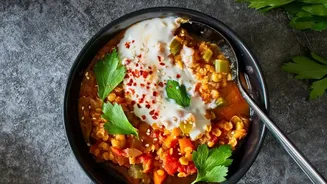
The Complete Protein Puzzle
Protein is essential for muscle repair and growth, but not all protein is created equal from a structural standpoint. The key lies in amino acids, the building blocks of protein. There are 20 different amino acids, but nine of them are considered “essential”
because our bodies cannot produce them. We must get them from food. A “complete protein” is a food source that contains all nine of these essential amino acids in roughly equal amounts. While animal products like meat, eggs, and dairy are complete proteins, most plant-based foods are “incomplete,” meaning they are low in one or more essential amino acids. This is where the strategy of protein complementation comes into play.
The Power of Pairing: Rice and Lentils
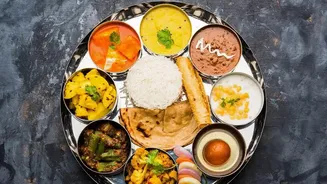
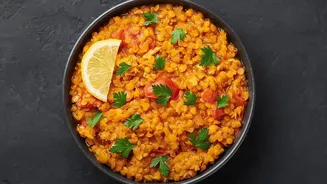
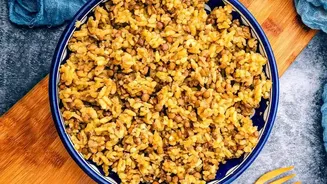
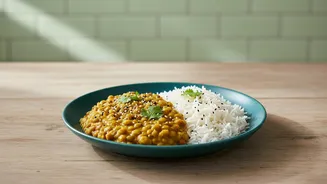
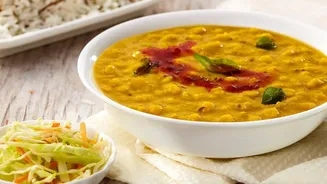
The classic Indian staple of dal and rice (lentils and rice) is a perfect example of protein complementation. Legumes like lentils are rich in the essential amino acid lysine but are typically low in the sulfur-containing amino acids methionine and cysteine. Grains like rice are the opposite; they have lower levels of lysine but are good sources of methionine and cysteine. When you eat them together, their amino acid profiles complement each other. The combination effectively fills in the nutritional gaps, providing your body with all the essential amino acids it needs to synthesize muscle tissue, making it a high-quality protein meal.
Seeds: The Nutritional Boosters
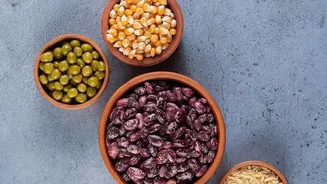
To further enhance your protein intake and overall nutrition, seeds are a vegetarian lifter’s best friend. The headline mentions “rice seeds,” which points to the powerful trio of grains, legumes, and seeds. Hemp seeds, for instance, are a nutritional powerhouse, providing about 10 grams of protein in a three-tablespoon serving. While some sources consider hemp an incomplete protein due to lower lysine content, it should be combined with lysine-rich foods like lentils. Other seeds like chia, pumpkin, and flax also add protein, healthy fats, fiber, and important minerals like magnesium and iron that support recovery and overall function. Sprinkling seeds onto your lentil and rice bowl adds a crunchy texture and a significant boost to its nutritional value.
Beyond Lentils and Rice
The principle of combining a legume with a grain, nut, or seed can be applied to countless delicious meals. This strategy ensures you’re consuming a wide array of nutrients and never getting bored. Some other powerful complete protein combinations for vegetarian athletes include: Whole wheat roti with dal or chickpeas; Hummus (chickpea-based) with whole-wheat pita bread; Peanut butter on whole-grain toast; Bean burritos in a whole-wheat tortilla with a side of pumpkin seeds. The possibilities are endless and form the foundation of a robust vegetarian diet capable of supporting intense physical training.
Do You Need to Combine at Every Meal?
For decades, the prevailing wisdom was that vegetarians needed to carefully combine proteins at every single meal. However, modern nutritional science has debunked this myth. Research has shown that the human body maintains a reserve pool of amino acids. As long as you eat a variety of plant protein sources throughout the day—legumes, grains, nuts, seeds, and vegetables—your body can pull the necessary amino acids from this pool to build complete proteins as needed. So, while a meal of lentils and rice is an excellent and efficient strategy, you don't need to stress if you have beans for lunch and whole-grain bread a few hours later. The key is overall dietary variety and ensuring you meet your daily calorie and protein targets.