
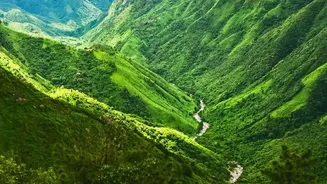
The Kaas Plateau Flower Trail
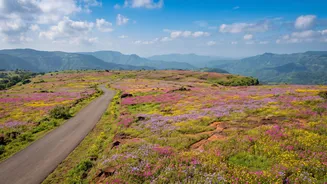
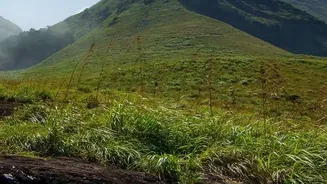
Often called Maharashtra's Valley of Flowers, the Kaas Plateau is a UNESCO World Natural Heritage Site that truly comes alive post-monsoon. The ideal time to visit is from late August to early October when over 850 species of wildflowers carpet the laterite
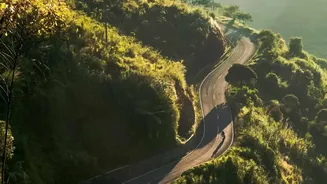
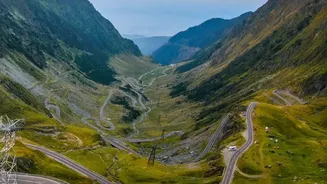
soil in vibrant hues of pink, yellow, and purple. The drive from Satara city is an experience in itself, with winding roads offering panoramic views. To protect the delicate ecosystem, visitor numbers are restricted, so booking your entry slot online in advance is mandatory. After exploring the plateau, continue the drive towards the serene Kaas Lake, a perfect spot for a quiet break amidst nature. The roads are generally in good condition, but be prepared for mist and light showers, which only add to the magical atmosphere.
The Windmill and Waterfall Route
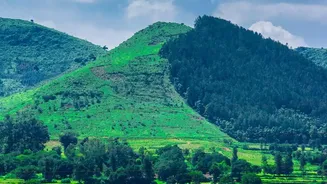
For a drive that combines natural wonders with man-made marvels, take the route towards Thoseghar and Chalkewadi. Starting from Satara, this circuit first leads to the spectacular Thoseghar Waterfalls, a series of cascades with the tallest plunging from a significant height. While powerful during the monsoon, the post-monsoon period from October to November offers a more serene experience with strong water flow and safer trails. A few kilometers ahead lies the Chalkewadi Windmill Farm, one of the largest in Asia. Driving through the plateau dotted with hundreds of giant windmills, often shrouded in mist, is a surreal experience. The 360-degree views of the surrounding green valleys and red soil make this one of Satara's most photogenic drives.
The Lakeside Koyna Backwaters Drive
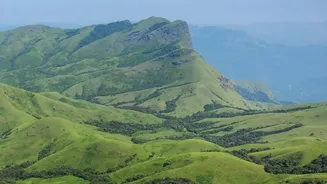
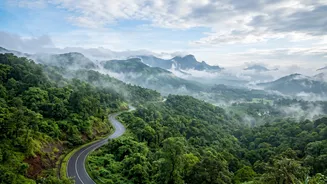
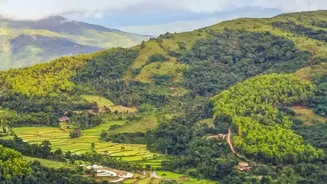
If tranquil waters and lush green hills are what you seek, the drive to Bamnoli is unmissable. Situated on the serene banks of the Shivsagar Lake, the backwaters of the Koyna Dam, Bamnoli serves as the base for treks to Vasota Fort. The road from Satara, which often goes past Kaas, descends through dense foliage to reveal stunning views of the vast lake, which many compare to the lakes of Switzerland. The post-monsoon season ensures the lake is full and the surroundings are intensely green. From Bamnoli, you can hire a boat for a ride on the lake or to visit Tapola, often called the 'Mini Kashmir' of Maharashtra. The drive is as rewarding as the destination, with every curve in the road presenting a new, stunning waterscape.
The Fort Hopping Heritage Trail
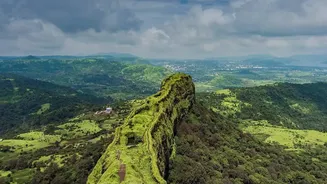
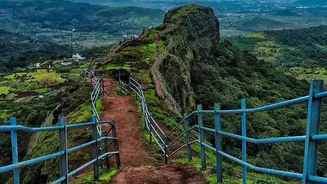
Satara is steeped in Maratha history, and a drive connecting its iconic forts offers a journey back in time. Start with Ajinkyatara Fort, which towers over Satara city and offers panoramic views. You can drive almost to the top, making it easily accessible. From there, head towards Sajjangad Fort, the final resting place of Saint Samarth Ramdas. Located about 15 km from Satara, the fort is a significant pilgrimage site and provides breathtaking views of the Urmodi Dam backwaters and surrounding hills, especially after the rains. Combining this drive with a visit to Thoseghar waterfalls is a popular itinerary, as Sajjangad lies on the same route, blending spirituality with natural beauty.
Essential Post-Monsoon Driving Tips
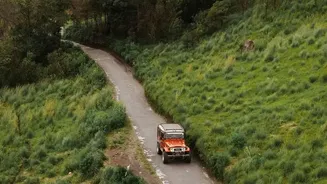
To make the most of your Satara road trip, a little preparation goes a long way. Always check the weather forecast before you leave; post-monsoon weather can be unpredictable with sudden showers. Start your day early to avoid crowds, especially at popular spots like Kaas Plateau, and to navigate winding ghat roads in daylight. Roads are generally well-maintained, but some interior routes can be narrow or slippery after rain, so drive cautiously. Wear comfortable, non-slip footwear as you'll likely be walking on uneven trails. Carry a raincoat or umbrella, and protect your electronic gadgets from moisture. While you will find small eateries, packing some snacks and water is always a good idea for drives to more remote areas like Bamnoli.