







Upgrade Your Storage Game
High humidity is the enemy of dry goods. During the monsoon, moisture in the air can quickly turn crisp biscuits soggy and cause salt, sugar, and spices to clump. The most crucial change is switching to truly airtight containers. Transfer items like pulses,
flours, grains, and even dry snacks from their original packaging into glass or BPA-free plastic jars with tight-sealing lids. This simple step acts as a barrier against moisture, preventing spoilage and pest infestations that are common during this season. For spices, consider adding a few grains of uncooked rice or a food-grade silica gel packet to absorb any trapped moisture and maintain their potency. Traditional methods, like adding a few dried neem leaves to rice or flour containers, also work as natural antifungal agents.
Rethink Your Produce Strategy
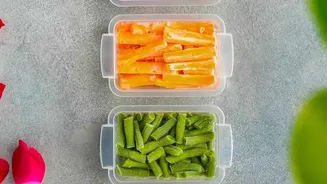
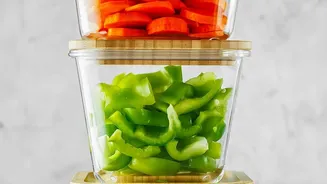
Fresh fruits and vegetables are especially vulnerable during the rainy season. High moisture levels accelerate decay and increase the risk of fungal growth. It's wise to buy produce in smaller quantities more frequently rather than stocking up for the week. Always wash fruits and vegetables thoroughly under clean running water right before you use them, not before storing, as leftover dampness encourages rot. Pay special attention to leafy greens, which can harbour dirt and microbes from contaminated rainwater. It's best to dry them completely before refrigeration. Some vegetables spoil faster in humidity, so consider consuming them quickly. Blanching and freezing vegetables is another excellent way to preserve them for longer.
Master Refrigerator and Freezer Hygiene
Your refrigerator works overtime during the monsoon, but it can also become a source of problems if not managed well. High humidity can lead to excess condensation inside, promoting mould growth. Make it a habit to clean your fridge regularly. Wipe down shelves and drawers to keep them dry. Proper food storage inside is key. Keep raw meat and seafood separate from cooked food and fresh produce to prevent cross-contamination. Use airtight containers for leftovers and refrigerate them as soon as possible, ideally within two hours of cooking. Leaving cooked food out at room temperature is particularly risky in humid weather, as bacteria multiply rapidly.
Intensify Your Cleaning Routine
A clean kitchen is your first line of defence against monsoon-related health issues like food poisoning and gastroenteritis. Damp surfaces are breeding grounds for germs, so your cleaning frequency needs to increase. Wipe down countertops, stovetops, and sinks with a disinfectant cleaner after every use, ensuring they are left completely dry. Pay extra attention to hidden corners, like the area behind the sink and under cabinets, which can trap moisture. Regularly clean and dry your chopping boards, and consider using separate ones for raw and cooked foods. Kitchen cloths and sponges can become musty and bacteria-laden quickly; replace or sanitise them daily.
Ventilation is Non-Negotiable
Trapped moisture is the core problem, so improving airflow is a critical solution. Keep your kitchen well-ventilated to help dissipate humidity and prevent musty odours. Use an exhaust fan every time you cook, especially when boiling or steaming, to pull moist air out of the room. If you don't have one, open windows for a while during dry spells to allow fresh air to circulate. You can also place natural moisture absorbers like baking soda, activated charcoal, or camphor balls in your cabinets to combat dampness and keep insects away. Ensuring your kitchen can breathe is just as important as keeping it clean.
Be Mindful of High-Risk Foods
During the monsoon, some foods carry a higher risk of contamination. Street food, while tempting, can be a major source of foodborne diseases due to exposure to flies and potentially contaminated water. It's safer to recreate your favourite chaats at home using filtered water. Pre-cut fruits and raw salads from outside vendors should also be avoided. Even at home, be extra cautious with meat, seafood, and dairy products, as they spoil very quickly in humid weather. Ensure all meat is cooked thoroughly and consume dairy products well before their expiry dates. Opting for freshly prepared, hot meals is one of the safest practices during this season.