


Beyond the Carpeted Tower
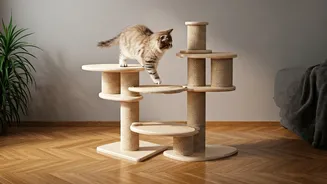
For decades, the default solution for an indoor cat’s climbing needs has been the carpeted cat tree. While functional, they are often bulky, difficult to clean, and aesthetically jarring in a thoughtfully decorated home. Enter the new wave of feline-focused
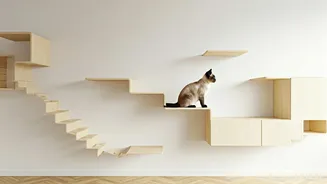
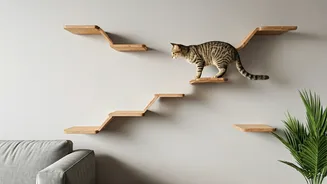
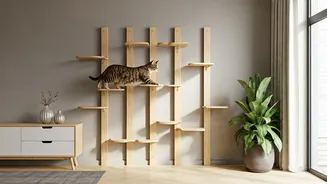
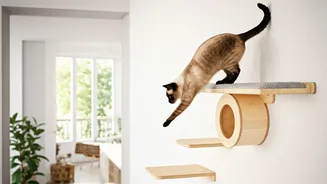
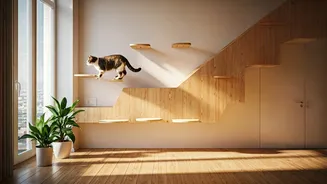
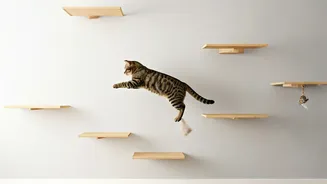
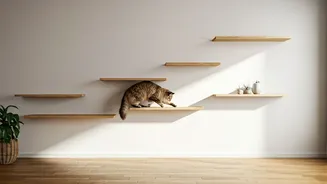
design: modular, wall-mounted systems. These aren't just single shelves; they are interconnected 'cat highways' composed of floating wood steps, sisal-wrapped scratching posts, cosy hammocks, and the star of the show—suspended wooden bridges. This approach transforms unused wall space into an interactive, multi-level environment that integrates seamlessly into your home rather than dominating it.
Why Cats Crave Verticality
This trend is more than just a pretty alternative; it’s rooted in feline psychology. In the wild, cats are both predator and prey. Climbing to a high vantage point serves several key instincts. Firstly, it provides a secure place to survey their territory, allowing them to spot potential threats or opportunities from a safe distance. Secondly, vertical space helps establish social hierarchy in multi-cat households, giving cats a way to avoid conflict by creating physical separation. Animal behaviourists call this 'environmental enrichment.' A bored, under-stimulated indoor cat is often a destructive or anxious one. Providing a vertical world to explore, leap across, and rest within is one of the most effective ways to boost their confidence and mental well-being.
The Design-Forward Advantage
The primary appeal for homeowners is the aesthetic upgrade. Unlike their fuzzy predecessors, modern cat wall furniture is crafted from materials that complement contemporary interior design. Natural woods like pine, oak, and bamboo offer a warm, minimalist look. The floating design creates an open, airy feel, making rooms appear larger and less cluttered. The 'bridge' element, in particular, adds a touch of architectural whimsy. These suspended walkways, often made with small wooden planks connected by sturdy rope, provide a dynamic visual feature that is both a functional pathway for your pet and a conversation piece for your guests. You can customise the layout to flow around existing furniture, frame a window, or create a dedicated feature wall.
Planning Your Cat's Superhighway
Successful implementation is all about thoughtful planning. Before you start drilling, observe your cat. Where do they like to nap? Which windows do they gaze out of most? A great cat highway connects these points of interest. A path leading from a cosy spot to a sunny window perch is a guaranteed hit. Think about flow and accessibility. Ensure there are multiple entry and exit points so a cat never feels trapped. The spacing between shelves and bridges is also critical. A young, athletic cat might handle a 1-metre leap, but an older or less mobile feline will need shorter, more manageable gaps. A good layout provides a mix of active pathways (bridges and steps) and resting zones (hammocks and wider platforms).
Installation and Safety First
Safety is non-negotiable. The most crucial step in installing wall-mounted cat furniture is securing it directly into wall studs. Drywall alone is not strong enough to support the weight of a cat, especially one that is leaping and running. Use a stud finder to locate these solid wooden beams inside your walls. Most quality kits come with the appropriate heavy-duty screws and anchors for this purpose. Pay close attention to the weight limits specified by the manufacturer for each component, especially for bridges and hammocks that will bear a cat’s full weight. Once installed, give every piece a firm tug and push to ensure it’s completely stable before letting your cat explore. A wobbly shelf will deter a cat and could be dangerous if it fails.