




Understanding the 2026 Perseid Meteor Shower
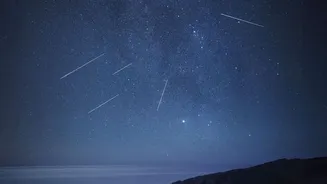
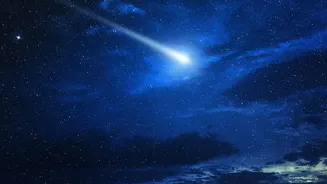
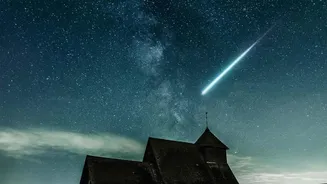
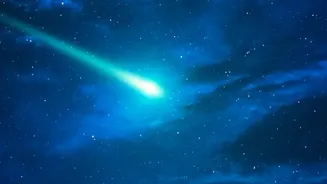
The Perseid meteor shower, caused by debris from the Comet Swift-Tuttle, is an annual event that graces our skies from mid-July to late August. In 2026, the shower is set to reach its peak on the night of August 12 and into the early morning hours of August 13.
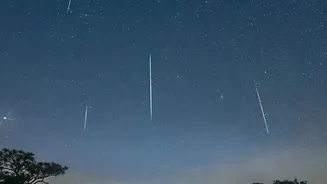
This year offers a particularly special viewing opportunity because the peak coincides perfectly with a new moon. This means the sky will be exceptionally dark, allowing even the faintest meteors to shine brightly. Under these ideal conditions, observers in dark locations could see between 50 and 100 meteors per hour.
Why Higher is Better for Stargazing
Heading to a high-altitude location significantly improves your chances of a spectacular show. The primary reason is the reduction of light pollution; cities and towns create a glow that washes out fainter stars and meteors. Higher elevations also place you above a significant portion of the Earth's atmosphere. This thinner, drier air results in less atmospheric distortion, making the stars appear sharper and brighter. Combined, these factors create a crystal-clear window into the cosmos that is simply unavailable at lower elevations or near urban centres.
Hanle, Ladakh: India’s Premier Dark Sky Reserve
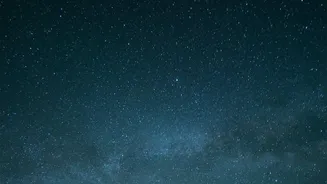
Widely regarded as India's best stargazing destination, Hanle in Ladakh is an unparalleled choice. At an altitude of 4,500 metres, it is home to India's first official Dark Sky Reserve, established to protect its pristine night skies. The region boasts over 250 clear nights a year and is so remote that light pollution is virtually non-existent. This allows for breathtaking views of the Milky Way, and during the Perseids, a truly immersive experience. The Indian Astronomical Observatory is also located here, a testament to the area's world-class astronomical conditions.
Spiti Valley, Himachal Pradesh: A High-Altitude Desert
Spiti Valley is another top-tier destination for meteor watching. This high-altitude cold desert, with an average elevation of over 12,000 feet, offers incredibly clear and dry skies, especially from June to October. Villages like Kibber, Komic, and Langza are remote and offer some of the darkest skies in Asia. The barren, moon-like landscape provides an unobstructed panoramic view of the heavens. On a clear, moonless night during the Perseids, the sky here becomes a canvas of countless stars, with meteors streaking across it vividly.
Coorg, Karnataka: A Southern Gem
For those in South India, Coorg in Karnataka offers some excellent high-altitude options away from the Himalayan extremes. While not as high as Ladakh or Spiti, the misty hills of the Western Ghats provide elevations of 900 to 1,700 metres. The key is to find spots in the southern part of the district, near the Brahmagiri foothills, which are remarkably dark. Areas around Tadiandamol Peak, the highest point in Kodagu, or remote plantations offer clear skies with minimal light pollution, especially from October to May. Local observatories and guided experiences are also available.
General Tips for the Best Viewing Experience
No matter where you are, a few tips can enhance your meteor-watching night. Give your eyes at least 20-30 minutes to fully adjust to the darkness; avoid looking at your phone screen. You don't need a telescope, as meteors can appear anywhere in the sky. The best viewing time is typically after midnight until the pre-dawn hours. Get comfortable with a blanket or a reclining chair, dress in layers as high-altitude nights can get cold, and be patient. The reward is a dazzling display of shooting stars you won’t soon forget.