





The First Brushstrokes
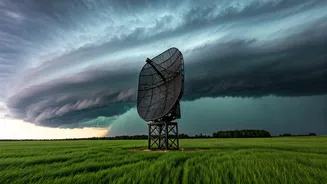
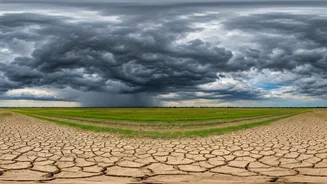
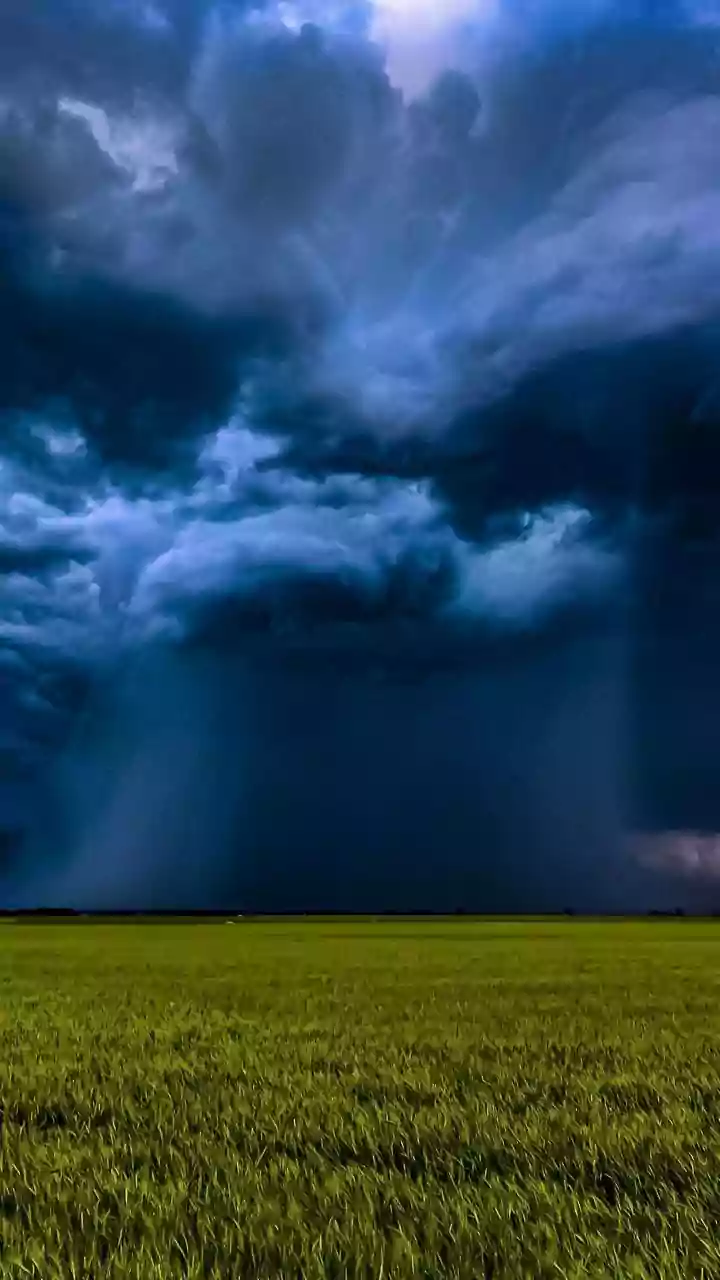
It begins as a promise. Towering cumulonimbus clouds, heavy with moisture scooped from the Indian Ocean, march inland. They are the monsoon’s vanguard, bringing not just the first drops of rain but a profound atmospheric shift. The air, thick and dusty
for weeks, is suddenly washed clean. The scent of petrichor—the unique, earthy smell of rain on dry soil—rises to become the season's signature perfume. This is more than a weather event; it's a sensory awakening. The oppressive silence of the peak summer afternoon is broken by the rumble of distant thunder, a sound that brings a collective sigh of relief to millions across the subcontinent. These first showers are often fleeting, but they are potent. They are the artists, preparing the vast, sun-baked canvas of the Indian plains for its most dramatic transformation.
The Science of the Skies
What appears to be magic is, of course, a masterpiece of meteorology. The Indian Summer Monsoon is a colossal seasonal wind system driven by the temperature difference between the heating landmass of Asia and the cooler Indian Ocean. As the subcontinent bakes under the summer sun, it creates a massive low-pressure area that pulls in moisture-laden winds from the southwest. These winds, after a long journey over the ocean, are saturated with water vapour. As they move over the land and are forced to rise, either by mountain ranges like the Western Ghats or by the intense heat itself, the air cools. This cooling causes the water vapour to condense into the dramatic cloud formations we see. The initial cloud cover cools the ground, further aiding condensation and setting the stage for the widespread, sustained rainfall that defines the monsoon season.
A Burst of Life
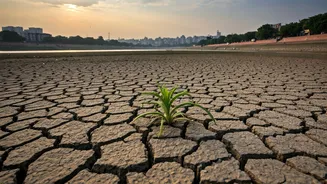
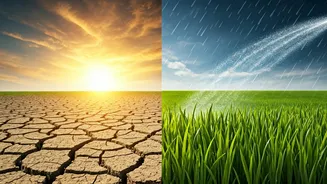
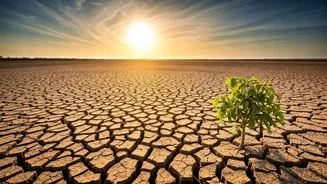
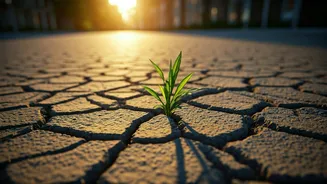
The response of the land is astonishingly swift. The parched, brown earth, cracked and seemingly lifeless, holds a hidden reservoir of potential. Dormant seeds, roots, and bulbs that have been waiting patiently through the dry season spring into action at the first touch of moisture. Within days, a faint green fuzz appears on the soil. This is quickly followed by a riot of growth. Grasses, weeds, and resilient native plants carpet the landscape in an explosion of green. This phenomenon is known as a 'green-up event', and the monsoon version is one of the most extensive and rapid on the planet. The once-muted palette of browns and greys is replaced by hundreds of shades of emerald, jade, and lime. This verdant blanket not only transforms the visual landscape but also recharges ecosystems, providing fresh fodder for livestock and revitalising habitats for countless species of insects, birds, and animals.
A Collective Sigh of Relief
The greening of the plains is deeply entwined with the cultural and economic fabric of India. For centuries, the arrival of the monsoon has dictated the rhythms of life. It signals the start of the crucial Kharif planting season, on which a significant portion of the country's agricultural output depends. A good monsoon means prosperity; a failed one can spell disaster. This dependence has woven the monsoon into India's art, literature, and spirituality. It is a time of romance and renewal, a symbol of relief from scorching heat and a promise of abundance. From classical ragas like 'Miyan Ki Malhar', composed to invoke rain, to modern Bollywood songs celebrating the first downpour, the monsoon is a constant muse. It is a shared, national experience that connects a farmer in Punjab to an artist in Mumbai, all watching the same clouds with a similar sense of hope and anticipation.