



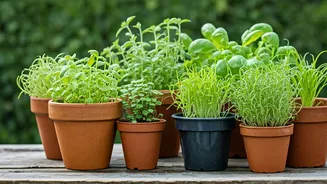


The Rise of the Rainy-Day Gardener
The romance of the monsoon—the petrichor, the cool breeze, a cup of chai—is often enjoyed from indoors. But a growing number of city dwellers are taking the experience outside, transforming their limited balcony space into thriving gardens. This trend,
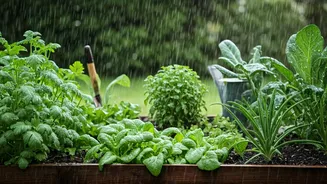
accelerated by a post-pandemic desire for hobbies that connect us to nature, has found its perfect season. The monsoon provides natural, consistent watering, and the cooler temperatures are a welcome respite for both plants and people. It’s a way to combat the concrete jungle blues, improve mental well-being, and even put fresh, hyper-local produce on your plate. More than just a hobby, it's a seasonal act of self-care and sustainability that is proving incredibly rewarding.
Your Monsoon Garden Starter Kit
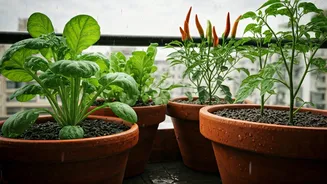
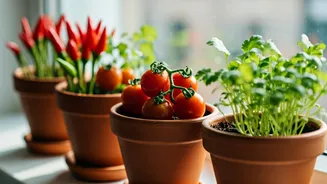
Getting started is simpler than you think, but success hinges on a few key essentials. The number one rule for monsoon gardening is drainage. Constant rain can lead to waterlogged soil and root rot, the sworn enemy of any container plant. Here’s what you’ll need: * **Pots with Drainage Holes:** This is non-negotiable. Terracotta pots are excellent as they are porous and allow soil to breathe. If you use plastic, ensure there are plenty of holes at the bottom. * **A Well-Draining Potting Mix:** Don't use heavy clay soil from the ground. A good mix combines garden soil, cocopeat (for moisture retention without sogginess), and compost (for nutrients). Adding a bit of sand can further improve drainage. * **A Small Trowel and Gardening Gloves:** For digging and keeping your hands clean. * **A Plan for Shelter:** While rain is good, torrential downpours can damage delicate plants. Identify a spot on your balcony that gets moderate rain or where you can temporarily move pots during a heavy storm.
What to Plant: The Monsoon All-Stars
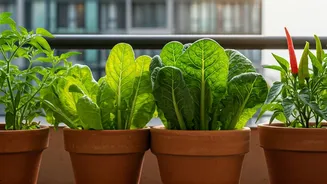
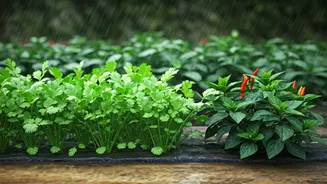
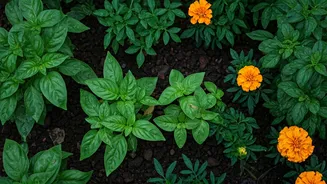
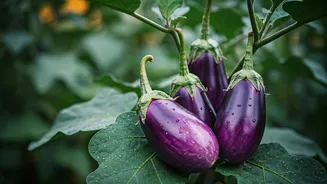
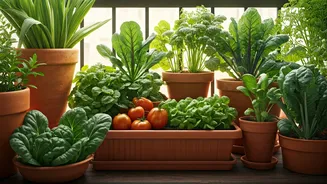
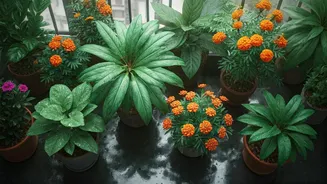
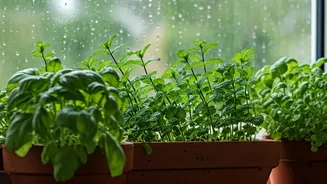
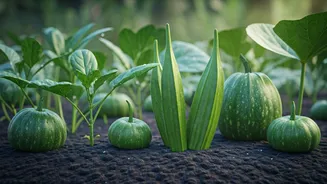
Not all plants love a deluge. The key is to choose species that thrive in high humidity and can handle ample water. This is the perfect time for many Indian vegetables and vibrant flowering plants. * **Vegetables:** Many gourds do exceptionally well. Consider planting lady's finger (bhindi), cucumber (kheera), bottle gourd (lauki), and ridge gourd (tori). They grow fast in this season. It's also a great time for leafy greens like spinach (palak) and amaranth (chaulai). Don’t forget chillies and brinjal, which are relatively hardy. * **Herbs:** A kitchen herb garden is a monsoon delight. Basil, mint (pudina), and lemongrass flourish with the extra moisture. Having fresh herbs on hand to liven up a rainy-day meal is a simple joy. * **Flowers:** For a splash of colour against the grey skies, plant monsoon-friendly bloomers. Balsam (the ‘touch-me-not’ plant), hibiscus, marigolds, cosmos, and zinnias are all fantastic choices. They add beauty and attract pollinators like bees and butterflies, making your balcony a lively ecosystem.
Care and Maintenance in the Rains
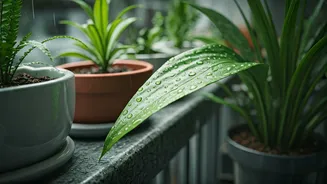
While nature does most of the watering, a monsoon garden requires specific attention to stay healthy. Your primary tasks are preventing waterlogging and keeping pests at bay. First, check your pots daily. Even with drainage holes, soil can become compacted. Gently poke the soil with a small stick to ensure it's not overly saturated. If a pot is waterlogged, tilt it to drain excess water. Humidity is a breeding ground for pests and fungal diseases. Keep an eye out for aphids, mealybugs, and powdery mildew. A simple, organic solution of neem oil mixed with water and a drop of liquid soap, sprayed on the leaves every 10-15 days, can act as a powerful preventative measure. Also, ensure there is good air circulation between your pots; don't crowd them too tightly together. Pruning any yellowing or diseased leaves promptly will keep problems from spreading.