





1. Neglecting a Full Vehicle Check-up
One of the biggest errors is assuming your car is ready for the demanding conditions of the monsoon. Wet roads, reduced visibility, and long drives put extra strain on your vehicle. Before you even think about packing, get your car serviced. Pay special
attention to the brakes, as their performance is critical on slippery surfaces. Ensure your battery is healthy, electrical systems are sound, and all fluids are at optimal levels. A pre-trip service isn't an expense; it's an investment in your safety.
2. Ignoring Your Tyres and Wipers
Your tyres are the only part of the car in contact with the road, and their importance multiplies in the rain. Driving on bald or improperly inflated tyres is a recipe for disaster, significantly increasing the risk of hydroplaning or skidding. Ensure your tyres have adequate tread depth, ideally more than 3mm, and are inflated to the manufacturer's recommended pressure. Equally crucial are your wiper blades. If they leave streaks or make noise, replace them. Clear vision is non-negotiable during a downpour, so top up your windshield washer fluid as well.
3. Choosing the Wrong Route or Destination
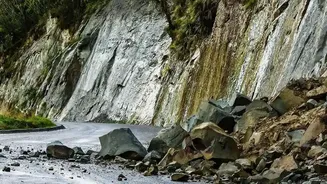
Not all destinations are created equal during the monsoon. Some of the most scenic routes can become the most hazardous, with increased risks of landslides, flash floods, and road closures, especially in hilly or coastal areas. Research your destination thoroughly. Check for recent weather advisories and news about road conditions. Avoid regions known for landslides, like parts of Himachal Pradesh, Uttarakhand, and Kerala during heavy rainfall alerts. Having a flexible itinerary with buffer days can help you adapt to unpredictable weather without stress.
4. Packing Impractical Gear
Your packing strategy needs to adapt to the season. Throwing in a few extra t-shirts won't cut it. The key is to pack smart. Prioritise quick-dry clothing, waterproof footwear with good grip, and a reliable raincoat or umbrella. Keep essentials like medications, a first-aid kit, a torch, a power bank, and some dry snacks in a separate, easily accessible day bag. Using waterproof bags or pouches for your electronics and important documents is also a wise move to prevent rain-related damage.
5. Underestimating Waterlogged Roads
A common and dangerous mistake is trying to drive through a flooded or waterlogged street. It's often impossible to judge the depth of the water or see hidden potholes and debris underneath. As little as six inches of water can cause you to lose control, and a foot can be enough to stall your engine. If you encounter a submerged road, the safest option is always to turn back and find an alternate route. Driving through deep water risks catastrophic engine damage from hydrostatic lock, which can be an incredibly expensive repair.
6. Driving Too Fast for the Conditions
Wet roads are slippery roads. Braking distances increase significantly, and the risk of skidding is much higher. Speeding during the rain is a major cause of accidents. The rule of thumb is simple: slow down. Maintain at least double the usual following distance from the vehicle in front of you to give yourself ample time to react. Be especially cautious on concrete roads, bridges, and painted sections like zebra crossings, which become extra slick when wet. A gentle and defensive driving style is your best defence against the unpredictable nature of monsoon roads.
7. Misusing Your Lights
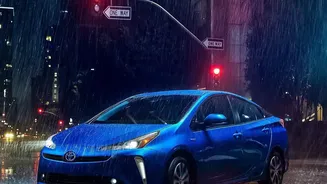
Good visibility is about seeing and being seen. A frequent error drivers make is turning on their hazard lights (blinkers) while driving in heavy rain. This is incorrect and confusing for other drivers, as it makes it impossible to tell if you are braking or turning. Instead, use your low-beam headlights during the day if visibility is poor. This makes your car more visible to others without dazzling oncoming traffic. High beams can reflect off the rain and worsen your own visibility. Your fog lamps are also a great tool to use in misty conditions.