




The Haldiram's Blueprint: From UK to EU
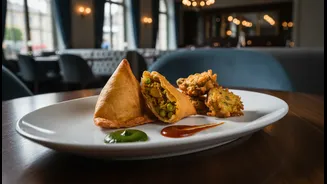
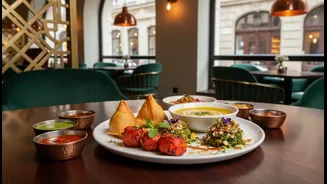
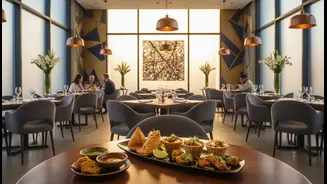
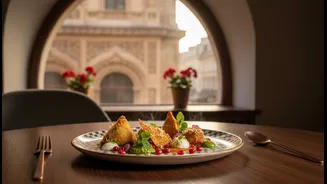
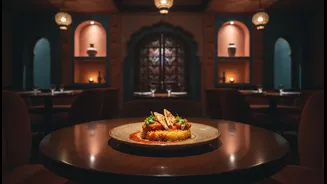
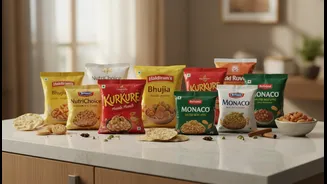
Haldiram's has launched a 120-seat restaurant in one of London's busiest hubs, a significant move beyond its established packaged goods presence. This isn't just about selling bhujia and sweets; it's a full-service, casual dining format designed to attract
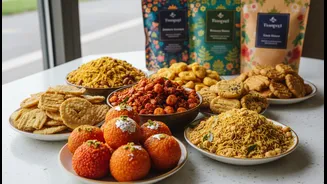
both the Indian diaspora and a broader European audience. Spearheaded by the founding family's third generation, the plan is ambitious. Following an investment from Singapore's Temasek, the company is eyeing further locations in London and has stated that expansion into Germany, France, and Portugal is "definitely on the cards." The strategy is clear: establish a strong physical presence to move the brand from the ethnic aisle to the mainstream consciousness.
Lesson 1: Mastering a Complex Regulatory Maze
For any Indian brand dreaming of European shelves, the first hurdle is regulatory compliance. The European Union operates under a strict food safety framework that is often more stringent than domestic standards. Key regulations include HACCP (Hazard Analysis and Critical Control Points) principles, which demand a systematic approach to food safety throughout the supply chain. Furthermore, all food imports must pass through designated Border Control Posts (BCPs) for documentary, identity, and physical checks. Exporters must have their paperwork in perfect order, including an Import Export Code (IEC), FSSAI certification, health certificates, and detailed product analysis reports to avoid costly delays or rejections. The mismatch between domestic standards and the EU's demand for ultra-low pesticide residues and full farm-to-table traceability is a common reason for shipments being turned away.
Lesson 2: Adapting the Product Without Losing Its Soul
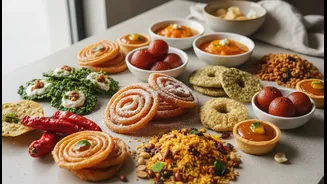
The global appetite for Indian cuisine is growing, with a steady 5-7% annual growth in markets like France, driven by local consumers, not just the diaspora. However, success requires a delicate balance between authenticity and adaptation. Haldiram's London menu, for instance, includes classics like choley bhature and pao bhaji but also features fusion desserts designed exclusively for the local market. For smaller brands, this might mean tailoring spice levels, offering vegan options, or focusing on healthier, baked snack varieties that appeal to Western consumer trends. The goal is to be accessible without becoming generic. It’s about positioning Indian flavours as a premium, authentic experience that fits into a modern, health-conscious lifestyle.
Lesson 3: Building a Brand Beyond the Diaspora
While the Indian diaspora provides a crucial and loyal customer base, long-term growth lies in winning over the mainstream market. This requires a shift in marketing. Instead of relying on traditional brand recognition, companies must actively build awareness through social media, food festivals, and local tasting events. Haldiram's UK head, Rhea Agarwal, has noted that while she expects initial demand to be driven by the "nostalgia factor" among Indians, the ultimate goal is to attract a broader customer base, leveraging the UK's long-standing love for Indian food. This means investing in branding that communicates quality and tells a story, moving beyond just being an 'ethnic' product to becoming a global one.
Lesson 4: Solving the Supply Chain Puzzle
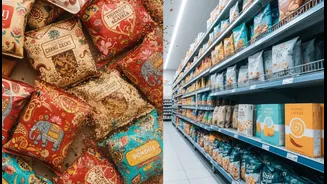
Getting your product from a facility in India to a supermarket in Germany is a massive logistical challenge. A fragmented supply chain, with millions of small, independent farmers, makes consistency difficult to achieve. Furthermore, India's cold chain infrastructure is still developing, which can lead to quality degradation for perishable goods before they even leave the country. Successful exporters must invest in a robust and traceable supply chain. This includes using export-ready packaging with the correct barrier properties to maintain freshness and clear, compliant labeling with ingredients and allergen information. Working with experienced freight forwarders and logistics partners who understand EU customs can prevent common errors and ensure a smooth journey from port to shelf.