


The Pulse Paradox: Why One Size Fails
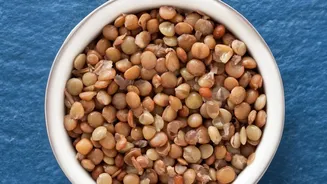
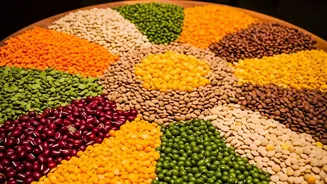
Pulses, which include lentils, beans, and peas, are not a single, uniform ingredient. They differ dramatically in size, structure, and starch content, which dictates how they respond to water and heat. The most significant distinction is between whole
and split pulses. Split pulses (dal), like masoor dal or toor dal, have had their outer husk removed and are split in half. This makes them cook quickly and break down into a soft, creamy consistency, which is often the desired outcome for dishes like dal fry. Whole pulses, such as whole moong, chickpeas (chana), and kidney beans (rajma), retain their skins and structure. These require different handling to become tender without turning to mush. Understanding this basic difference is the first step toward mastering pulse cookery.
Embracing the Mush: Cooking Split Dals
For many popular Indian dishes, a soft, almost puréed texture is the goal. This is where split red lentils (masoor dal), yellow split peas (matar dal), and pigeon peas (toor/arhar dal) shine. These varieties are designed to break down. Soaking is often optional for these quick-cooking dals, though a 30-minute soak can improve texture and digestion. The key to controlling their consistency is managing the heat. A vigorous, rolling boil can cause them to break down too quickly and unevenly. Instead, bring the pot to a boil and immediately reduce the heat to a gentle simmer. This allows the dal to soften gradually. If your dal is too watery, simply let it simmer uncovered for a little longer to thicken up. If it becomes too thick, stir in a little hot water until you reach the perfect consistency.
Tackling the Tough Cases: Rajma and Chana
Large, dense beans like kidney beans (rajma) and chickpeas (chana) are notorious for remaining hard if not treated correctly. For these, soaking is non-negotiable. An overnight soak of at least 8-12 hours is ideal. This not only kick-starts the softening process but also makes them easier to digest. One of the main culprits for tough beans is old stock; beans that are more than a year or two old have hardened outer coats that resist water absorption. Another factor is hard water, as the minerals can prevent the bean skins from softening. If you face this issue, a tiny pinch of baking soda (about ¼ teaspoon per pound of beans) added to the soaking water can help by creating a more alkaline environment that softens the skins. A pressure cooker or Instant Pot is a game-changer for these tougher pulses, significantly cutting down on cooking time while ensuring a tender result.
Golden Rules for Perfect Pulses
Across all varieties, a few universal rules apply. First, always rinse your pulses before cooking to remove any dust or debris. Second, be mindful of when you add acidic ingredients like tomatoes, lemon juice, or vinegar. Adding them too early in the cooking process can prevent pulses from softening. It's best to wait until the beans or lentils are fully tender before introducing acids. The long-held myth that salting beans at the beginning makes them tough has been widely disproven. In fact, salting the cooking water from the start helps season the pulses thoroughly and can even result in softer skins. Finally, to prevent mushy whole lentils or beans intended for salads, use a gentle simmer instead of a hard boil and start checking for doneness early. You can stop the cooking process by draining them and rinsing them under cold water.