





The Budget Airline Baggage Bind
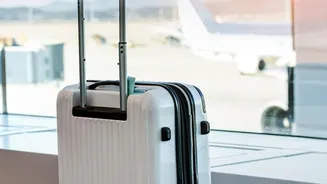
Flying with budget carriers in India like IndiGo, SpiceJet, or Akasa Air means playing by a strict set of rules. The standard domestic carry-on allowance is typically one bag weighing no more than 7 kilograms. While you might also be allowed a small personal
item like a laptop bag or purse, the total weight is closely monitored. Exceeding this limit can lead to hefty fees at the gate, turning your budget-friendly ticket into an expensive affair. This tight restriction on both size and weight is where smart packing strategies become essential.
What Are Compression Cubes?
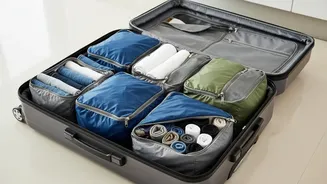
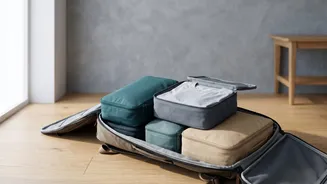
At first glance, compression cubes look like standard packing cubes—fabric pouches used to organise your suitcase. The key difference is an additional, secondary zipper. After you fill the cube and close the main zip, you then close the second compression zipper. This cinches the cube, squeezing out excess trapped air and making the entire package noticeably flatter and more compact. They are a hybrid, offering the organisation of a regular cube with the space-saving benefits of a compression bag, but without needing a vacuum.
The Truth About Weight vs. Volume
Here's the most critical point: compression cubes do not magically reduce the weight of your clothes. A sweater weighs the same whether it's loose or tightly compressed. However, by significantly reducing volume, they allow you to manage your overall weight more effectively. By making bulky items like jackets, sweaters, or towels more compact, you free up precious space. This allows you to either fit everything into a smaller carry-on or gives you the strategic advantage of choosing which items to pack. You can fit your essentials without needing a larger, heavier bag, which is the key to staying under that 7kg limit.
How to Pack With Compression Cubes
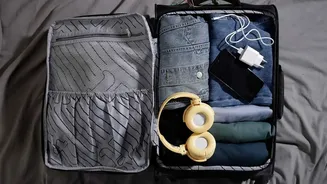
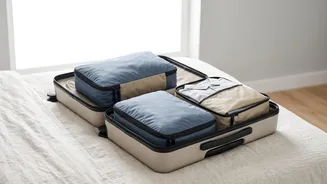
To get the most out of your cubes, technique matters. Start by rolling your clothes tightly before placing them inside; this minimises wrinkles and allows for a more even compression. Fill the cube completely, but don't overstuff it to the point where the zipper strains. A properly filled cube compresses more evenly. Once zipped, place the cubes in your suitcase like building blocks, with heavier cubes at the bottom near the wheels for better balance. The biggest mistake is seeing the extra space as an invitation to pack more. The goal is to pack the same amount into a smaller, more manageable space, not to cram in more items and risk exceeding the weight limit.
Choosing the Right Cubes
Not all compression cubes are created equal. Look for durable materials like ripstop nylon and, most importantly, strong, high-quality zippers that can handle the strain of compression. Some travellers prefer a set of same-sized cubes for uniform stacking, while others opt for various sizes to fill different gaps in their luggage. Mesh tops can be helpful for seeing what's inside at a glance, reducing the need to unpack everything to find one item. Start with one or two for your bulkiest clothing and see how they transform your packing process before investing in a full set.
Potential Downsides to Consider
While incredibly useful, compression cubes have a few drawbacks. The intense compression can lead to more wrinkles, especially in fabrics like linen or cotton shirts. It's best to use them for softer, more resilient items like knitwear, jackets, and socks. There is also the psychological trap of overpacking; because cubes make it so easy to fit more in, you have to be disciplined and weigh your bag before leaving for the airport. A fully compressed cube can also become quite dense and rigid, sometimes creating awkward, lumpy shapes in your bag if not arranged carefully.