

The Great Flour Swap
For decades, refined flour, or maida, has been the undisputed king of the baking world. Its fine texture and high gluten content create the light, airy structure we love in cakes, pastries, and yes, brownies. However, a growing wave of health consciousness
across India has consumers rethinking their relationship with maida. With its low nutritional value and high glycemic index, many are seeking alternatives that offer more than just empty calories. This shift has opened the door for a delicious revolution, led by humble, nutrient-dense grains that have been staples in Indian diets for centuries. Brands and home bakers are increasingly turning to millets, not as a mere substitute, but as a star ingredient that adds its own unique character.
Meet the Nutritional Powerhouses: Ragi and Jowar
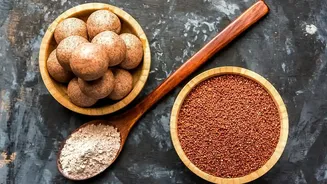
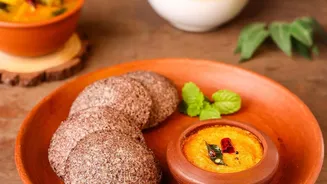
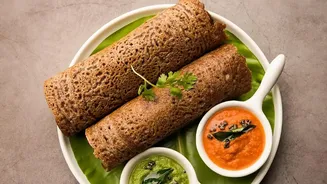
Finger millet (ragi) and sorghum (jowar) are stepping into the spotlight. Ragi is a nutritional giant, celebrated for being one of the best plant-based sources of calcium, crucial for bone health. It's also rich in iron and dietary fibre. Jowar, similarly, is a gluten-free grain packed with protein, fibre, and essential minerals like magnesium and phosphorus. Compared to refined flour, which is stripped of most of its nutrients during processing, these millets offer a powerhouse of benefits. They have a lower glycemic index, which helps in managing blood sugar levels, and their high fibre content aids digestion and promotes a feeling of fullness. The antioxidant activity in finger millet is also significantly higher than in refined wheat flour, adding another layer of health benefits.
The Baker's Creative Challenge
Swapping refined flour for millet flour isn't a simple one-to-one exchange. The biggest challenge is the absence of gluten. Gluten is the protein that gives baked goods their structure, elasticity, and chewiness. Without it, creations can turn out dense, dry, or crumbly. This is where the art and science of gourmet baking come in. Bakers have learned to work with the unique properties of these flours. Millet flours tend to absorb more moisture, so recipes often require additional liquids like milk, yoghurt, or fruit purees to maintain a moist crumb. To replicate the binding power of gluten, bakers might incorporate ingredients like curd, eggs, or natural binders. Many successful recipes use a blend of flours, such as combining ragi and jowar, to achieve the perfect balance of flavour and texture. It's a delicate dance of chemistry and creativity.
A Revolution in Flavour and Texture
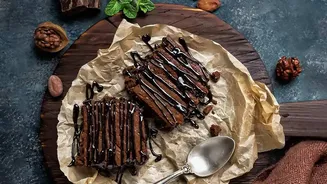
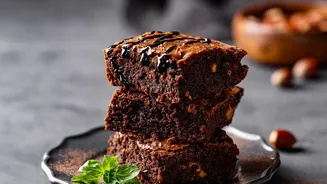
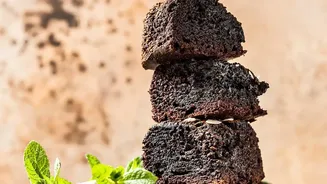
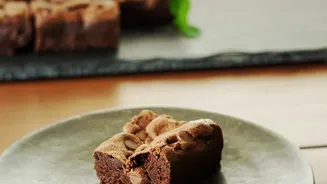
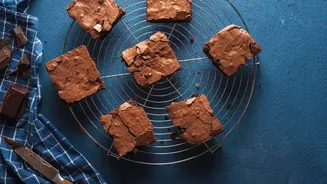
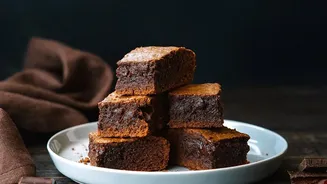
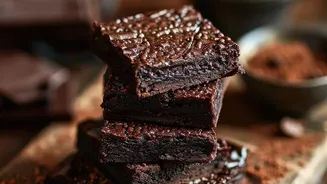
The most exciting part of this trend is that it's not a compromise on taste; it's an enhancement. Ragi brings a deep, earthy, and slightly nutty flavour that pairs beautifully with the richness of dark chocolate. Jowar is milder and subtly sweet, providing a soft background note. The result is a brownie that is often more complex and interesting than its maida-based counterpart. Texturally, these millets create a wonderfully dense, moist, and fudgy brownie. Instead of being light and cakey, millet brownies have a satisfying chew and a rich mouthfeel that many dessert lovers find irresistible. When bakers add ingredients like jaggery instead of refined sugar, the caramel-like notes further complement the earthy flavours of the millets, creating a truly gourmet experience. Many who try them find that, far from being a 'healthy alternative', they are simply a superior brownie.
From Niche to Mainstream
What started as a niche trend in health food cafes and home kitchens is now becoming increasingly mainstream. A growing number of gourmet bakeries and online food brands across India, like Slurrp Farm, Manna, and 24 Mantra Organic, are offering millet-based products, from cookie and pancake mixes to ready-to-eat brownies. This increasing availability is making it easier for consumers to enjoy the benefits of these ancient grains without having to experiment in their own kitchens. The movement is part of a larger cultural shift towards valuing indigenous ingredients and celebrating India's rich agricultural heritage. By incorporating ragi and jowar into a modern, beloved dessert, bakers are not just making a healthier brownie; they are building a bridge between the past and the future of Indian food.