
The New Long Weekend
For a generation of young Indian professionals and students, the long weekend has a new definition: a quick trip to Sri Lanka. The island nation's decision to offer free Electronic Travel Authorization (ETA) for Indian travellers has been a game-changer,
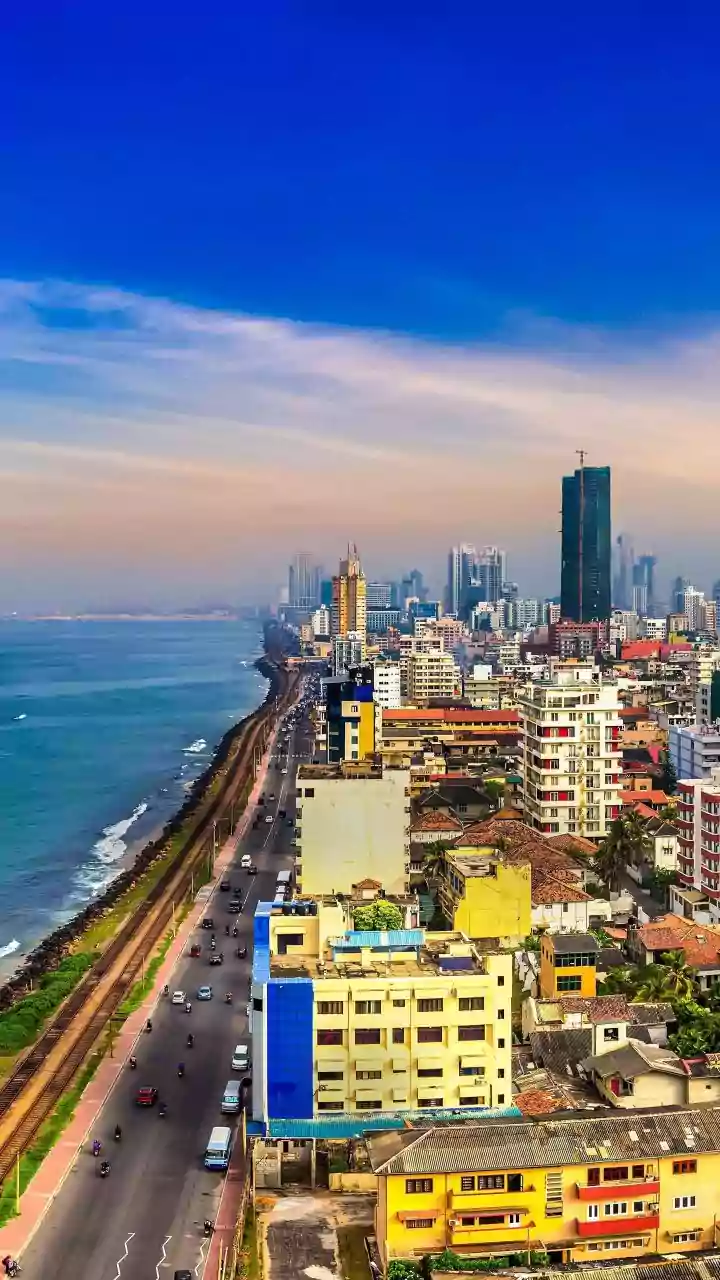
removing a significant layer of cost and planning. This, combined with short flight times and budget-friendly options, has positioned Sri Lanka as the go-to destination for a short-haul international break. The appeal lies in its efficiency—a five-day trip can offer a rich blend of culture, nature, and relaxation without needing extensive time off work. This trend is driven by a desire for accessible adventures that provide a genuine sense of escape, and Sri Lanka delivers perfectly on that promise.
Why Sri Lanka Hits the Sweet Spot
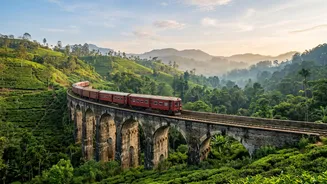
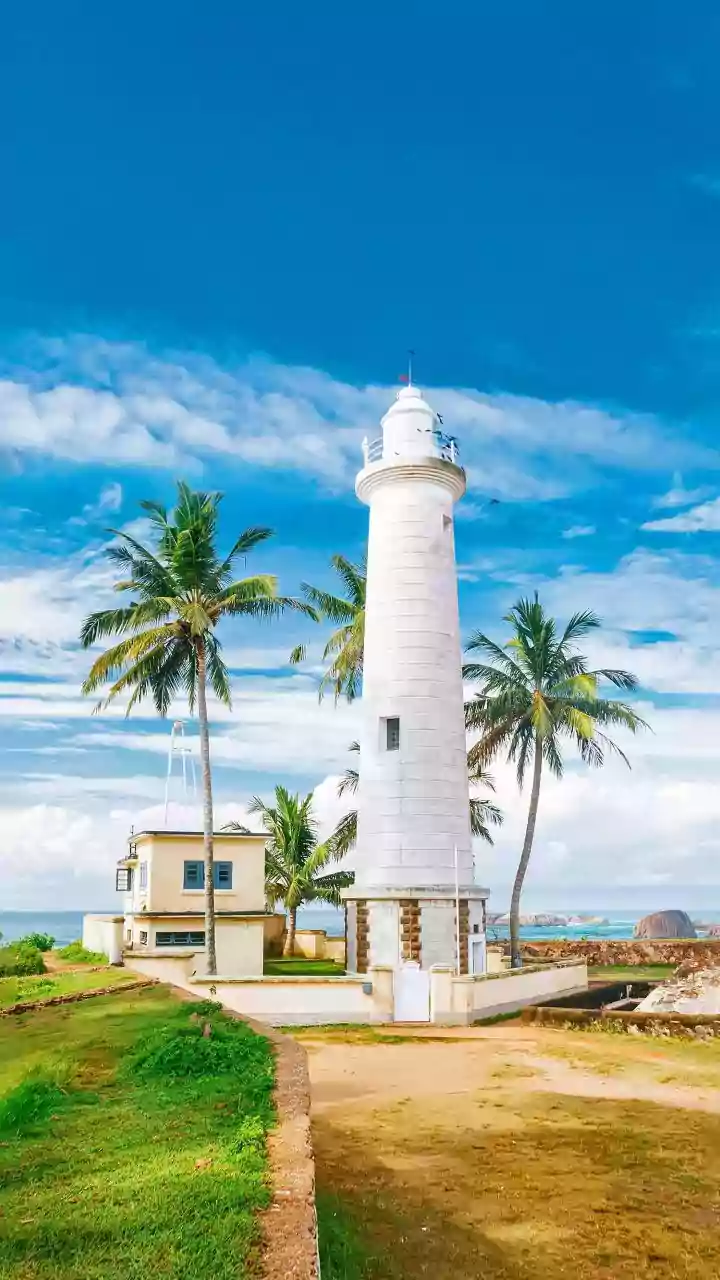
So, what makes Sri Lanka so appealing? It’s the sheer variety packed into a compact island. A traveller can experience misty hill stations, ancient temples, and golden beaches all within a few days. For young Indians, this 'experience density' is a major draw. Cities like Kandy offer a deep cultural dive with sites such as the Temple of the Sacred Tooth Relic, while the southern coast provides the quintessential beach escape. The food is another major plus, with flavours that are both excitingly new and comfortingly familiar to the Indian palate. Add to this the affordability factor—from local transport to accommodation and food, a trip to Sri Lanka offers excellent value for money, making it a smarter choice compared to many other international destinations.
Your 5-Day Blueprint: Kandy & Mirissa
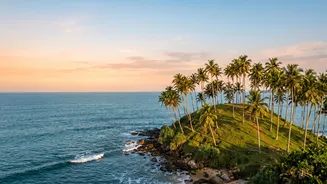
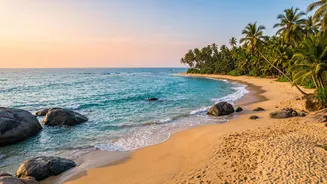
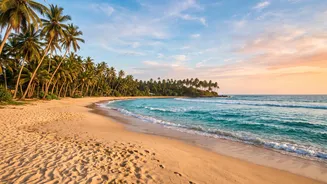
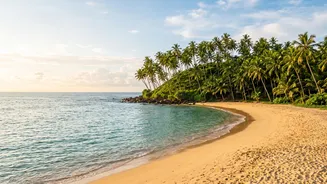
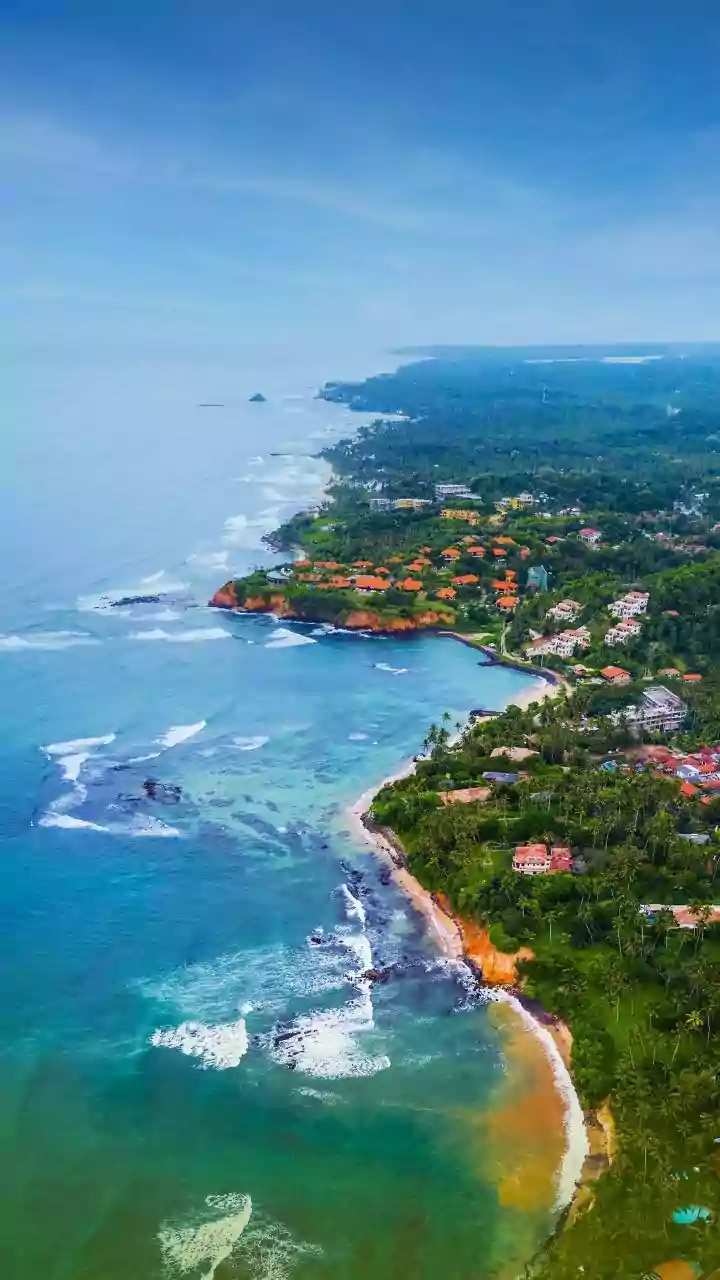
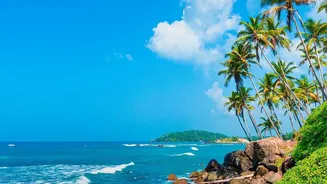
A five-day itinerary allows just enough time to sample two of Sri Lanka’s most iconic, yet different, locales. Start with two days in Kandy, the cultural capital. Arrive at Colombo's airport and head straight to the hill city. Day one can be spent exploring the revered Temple of the Sacred Tooth Relic and taking a serene evening walk around Kandy Lake. On day two, visit the Royal Botanical Gardens in Peradeniya or see the panoramic city view from the Bahirawakanda Vihara Buddha statue. On day three, embark on the journey south to Mirissa. While the drive can take around five to six hours, hiring a car or taking a combination of train and bus is a popular option. Spend day four enjoying Mirissa’s main attractions: a morning whale-watching tour (best from December to April) or simply relaxing on the famous crescent-shaped beach. Don’t miss climbing Coconut Tree Hill for that perfect sunset photograph. On day five, enjoy a final Sri Lankan breakfast before making the trip back to the airport for your flight home.
Planning Your Spontaneous Escape
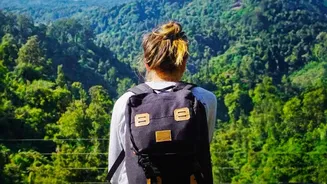
The key to a successful short trip is smart planning. While the ETA for Indian passport holders is free, it must be obtained online before you travel. Flights from South Indian cities like Chennai and Bengaluru are particularly short and affordable, often taking less than two hours. For accommodation, both Kandy and Mirissa offer a wide spectrum of choices, from budget-friendly hostels and guesthouses popular with backpackers to chic boutique hotels. Getting around is also straightforward. For the Kandy to Mirissa leg, a private car offers comfort and saves time, though the train and bus network is a more economical option for the budget-conscious traveller. The train journey, while not direct, is scenic and a classic Sri Lankan experience in itself.
Budgeting for Your Trip
A five-day trip to Sri Lanka can be surprisingly light on the wallet. A budget-conscious traveller can manage a trip for approximately ₹30,000 to ₹40,000 per person, excluding flights. This would involve staying in guesthouses (₹1,500-₹2,500 per night), using public transport, and eating at local cafes. A more comfortable mid-range trip, with stays in 3-star hotels and a mix of private and public transport, might cost between ₹55,000 and ₹85,000 for a 5-7 day trip. Return flights from India can range from ₹12,000 to ₹20,000, depending on how far in advance you book and your city of departure. Major expenses to account for are accommodation and intercity travel, while costs for food and local sightseeing remain relatively low.