




Training for Life, Not Just the Gym
At its heart, functional strength training is about preparing your body for real-life activities. Instead of isolating one small muscle at a time, it focuses on compound movements that engage multiple muscle groups simultaneously, mimicking things you do
every day. Think about squatting to pick up a heavy grocery bag, lifting your child, or twisting to put something on a high shelf. Functional exercises like squats, lunges, push-ups, and kettlebell swings train your body for these exact patterns, improving coordination, balance, and overall capability. The goal is less about aesthetics and more about enhancing your quality of life, making daily tasks feel easier and reducing the risk of injury.
The Not-So-Secret Sauce: Progressive Overload
Progressive overload is the fundamental principle of getting stronger. In simple terms, it means gradually increasing the demands placed on your muscles over time. This consistent challenge forces your body to adapt by building more muscle fiber and getting stronger to handle the new stress. If you always lift the same weight for the same number of reps, your body eventually adapts and your progress stalls. But progression doesn't just mean lifting heavier weights. It can also involve doing more repetitions or sets, reducing rest time between sets, or increasing your training frequency. This systematic approach is the key to avoiding plateaus and achieving continuous, sustainable results in any strength program.
A Perfect Match for Women's Fitness Goals
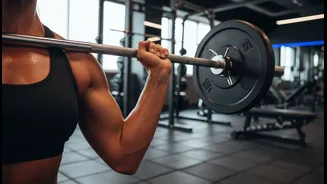
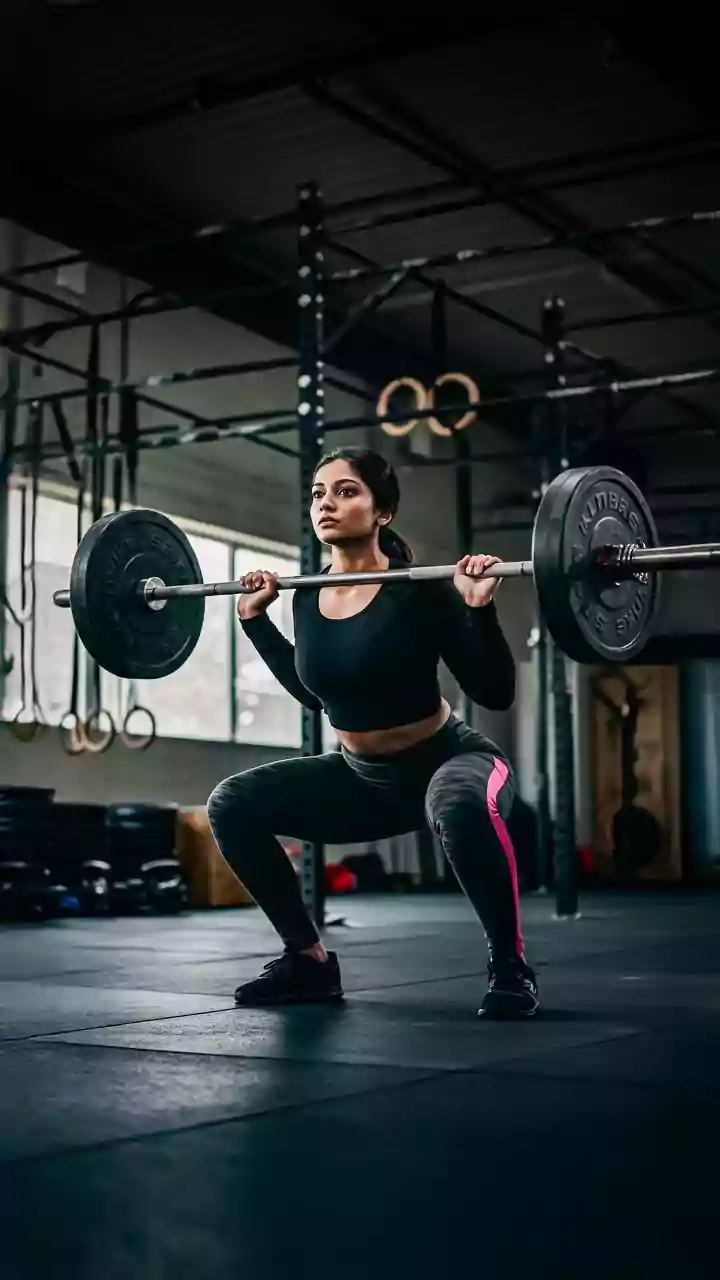
For many women, the intimidating image of a heavy barbell is a barrier to the weight room. Functional training provides a more accessible starting point. Because it often begins with bodyweight exercises, it allows women to master fundamental movement patterns safely. As you get stronger, it's easy to apply progressive overload by adding resistance bands, dumbbells, or simply increasing your reps. This method is particularly beneficial for women, as strength training helps increase bone density, reducing the risk of osteoporosis, a condition more common in women. It also boosts metabolism by building lean muscle, which burns more calories at rest, aiding in healthy weight management as women age.
Busting the 'Bulky' Myth for Good
One of the most persistent myths keeping women from lifting is the fear of becoming 'bulky.' However, this is largely unfounded. Women naturally have significantly lower levels of testosterone, the primary hormone responsible for large muscle growth, than men. Building a bulky physique requires years of highly specific, intense training and a targeted diet that most people don't follow. For the vast majority of women, strength training creates a lean, toned, and defined appearance, as muscle takes up less space than fat. The feeling of accomplishment and the physical capability gained also lead to huge boosts in confidence and mental well-being.
How to Put It All Into Practice
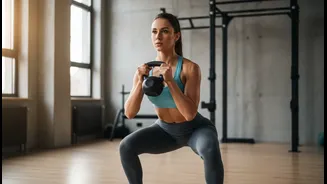
Getting started is simpler than you think. Begin with foundational functional movements. For example, start with squats, aiming for a chair to ensure proper form. Once you can comfortably perform three sets of 10-12 reps, you can progress. The next step might be removing the chair for full bodyweight squats. From there, you could hold a light dumbbell to perform a goblet squat, which is a perfect example of progressive overload. Another way is to increase your reps; if you did 10 reps last week, aim for 12 this week. The key is to make small, gradual increases and listen to your body, ensuring the last couple of reps in a set feel challenging but possible with good form. This slow and steady progress minimizes injury risk and builds lasting strength.