






The Body Clock vs. The Work Clock
Every cell in our body operates on a roughly 24-hour cycle known as the circadian rhythm. This internal clock dictates when we feel sleepy, hungry, and alert. It's primarily regulated by environmental cues, with sunlight being the most powerful signal.
When you work a night shift, you force your body to operate against this fundamental biological programming. This constant conflict, known as circadian misalignment, is linked to a host of health issues, including sleep disorders, metabolic problems like diabetes, heart disease, and even an increased risk for certain cancers. The body is thrown into a state of perpetual jet lag, making it difficult to get restorative sleep during the day and stay alert at night.
How Light Controls Your Brain
Light, particularly blue light, is the master switch for your circadian rhythm. When your eyes detect bright, cool-toned light (like midday sun), they send a signal to the brain to suppress the production of melatonin, the hormone that makes you feel sleepy. This keeps you awake and alert. Conversely, as the sun sets and light becomes dim and warm, melatonin production ramps up, preparing your body for sleep. Before the advent of electricity, this process was automatic. Today, our homes and workplaces are filled with artificial lights that can send confusing signals to our brains long after sunset, which is especially problematic for those who need to sleep during the day and be awake at night.
Creating a 'Digital Sunset' at Home
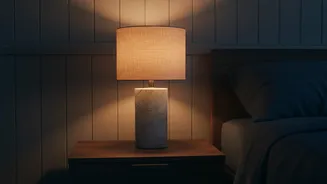
For a shift worker who needs to wind down after a night shift, walking into a brightly lit home can be as disruptive as a strong cup of coffee. The bright, often blue-rich light from standard LED and fluorescent bulbs tells your brain it's time to be awake, further suppressing melatonin just when you need it most. The solution is to create an artificial sunset in your living space. This means consciously managing your light exposure in the hours before you intend to sleep. The goal is to mimic the natural transition from day to night, signaling to your body that it's time to rest, even if the sun is rising outside. This simple act of controlling your environment can significantly improve your ability to fall asleep and the quality of that sleep.
Practical Lighting Strategies for Better Sleep
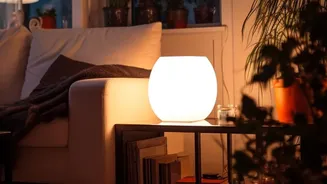
Implementing a sleep-friendly lighting routine doesn't have to be complicated or expensive. Start by switching to warm-toned bulbs (those with a reddish or amber hue) in your bedroom and other rooms you use before bed. Installing dimmer switches is another excellent way to gradually lower the light intensity as you prepare for sleep. For a more advanced setup, consider investing in smart bulbs that allow you to change both the brightness and the colour temperature from an app on your phone, letting you program a gradual 'sunset'. In the 1-2 hours before your desired bedtime, dim the lights as much as possible and avoid bright screens from TVs, laptops, and phones. If you must use a screen, use 'night mode' settings or wear blue-light-blocking glasses to filter out the disruptive wavelengths.
Beyond the Bulb: Supporting Your Routine
While lighting is crucial, it's most effective as part of a broader strategy. Create a dark, quiet, and cool sleeping environment by using blackout curtains or a sleep mask to block out daylight. Try to maintain a consistent sleep schedule, even on your days off, to help regulate your body clock. A short nap of 20-30 minutes before your shift can boost alertness without making you feel groggy later. Additionally, a relaxing wind-down routine—like taking a warm shower, reading a book (a physical one, not on a bright screen), or listening to calm music—can help signal to your mind and body that it's time to transition to rest.