





Analyse Layover Times Carefully
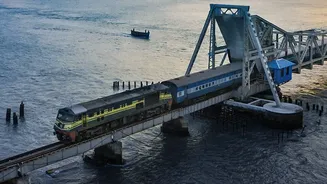
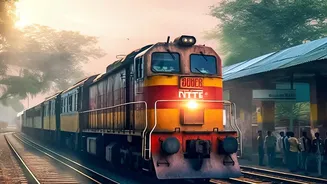
The gap between your arriving train and your departing one is the most critical factor. While booking platforms may allow connections with minimal time, experienced travellers recommend a buffer of at least two to three hours. Long-distance trains in India
are often delayed, and a tight connection is a recipe for stress. Consider the time of year; winter fog in North India, for instance, can cause severe delays, warranting an even longer layover. Before booking, check the historical punctuality of your first train to gauge how frequently it runs late. A 60-minute layover on paper might seem fine, but not if the incoming train is consistently delayed by two hours.
Verify Station Codes and Locations
Many large cities have multiple railway stations, and it's a common mistake to assume your connecting train will depart from the same one you arrive at. Always double-check the station codes (e.g., New Delhi is NDLS, Mumbai Central is MMCT). An itinerary that requires a change of station adds another layer of complexity. You'll need to account for the time and cost of travelling across the city, whether by metro, auto, or taxi. A cross-city transfer can easily take over an hour, so factor this into your layover plans to avoid a last-minute panic.
Understand Your Booking Type
When booking a multi-stop journey, you can either buy separate tickets for each leg or book a 'connecting journey' with linked PNRs (Passenger Name Records) on the IRCTC platform. Opting for a linked PNR is highly recommended. This officially registers your journey as a connected trip. If your first train is delayed and causes you to miss the second, you are eligible for a refund on the second ticket. If you book two separate, unlinked tickets, the railway system sees them as independent journeys. If you miss the second train due to a delay, you will be considered a 'no-show' and will not get a refund.
Research Station Facilities
A long layover is much more comfortable if the station is well-equipped. Major junctions like New Delhi (NDLS), Howrah (HWH), and Chennai Central (MAS) typically offer a wide range of amenities. Look for facilities like air-conditioned waiting halls, retiring rooms for a short rest, food courts, and luggage storage or cloakrooms. The availability of these services can turn a tedious wait into a relaxing break. Many stations now also provide free Wi-Fi, which can be useful for checking your onward journey's status or keeping entertained. Keep in mind that amenities can vary significantly between major urban hubs and smaller regional stations.
Choose the Right Class and Train Type
For a long, segmented journey, comfort is key. The type of train can make a big difference. For overnight legs, premium trains like Rajdhani or Duronto Express are generally more comfortable and reliable. For daytime travel, Shatabdi, Tejas, or Vande Bharat Express trains are good choices as they are faster and have better amenities. Also, consider the travel class for each leg. An overnight journey might be more comfortable in an AC sleeper (AC1, AC2, or AC3), while a shorter daytime trip could be perfectly fine in an AC Chair Car (CC). Choosing your seat or berth wisely can also enhance comfort on a long trip.
Pack for the Entire Journey
When travelling with multiple stops, pack smartly. Keep essentials like tickets, ID, a power bank, hand sanitiser, and any necessary medications in a small, easily accessible bag. Since train delays are common, always carry extra snacks and water. While major stations have food courts and vendors, having your own supplies is a reliable backup. For overnight portions, a travel pillow and a light blanket can significantly improve your comfort, especially in AC coaches where the temperature can get cold.