

A Landmark Shift in Buyer Preference
For the first time in India's automotive history, alternative fuels are king. In a landmark moment in August 2026, the combined retail sales of vehicles powered by Compressed Natural Gas (CNG), batteries (EVs), and hybrid technology surpassed those of petrol-powered
cars. Data from the Federation of Automobile Dealers Associations (FADA) showed that alternative fuels captured a 41.95% market share, edging out petrol/ethanol vehicles, which stood at 40.85%. This is not just a statistical anomaly but a clear signal of a fundamental shift in consumer mindset, driven by volatile fuel prices, government incentives, and a growing consciousness around running costs. While petrol remains the largest single fuel category, its dominance is clearly being challenged from three different directions.
CNG: The Undisputed Cost-Saver
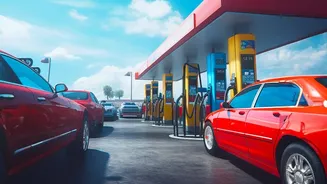
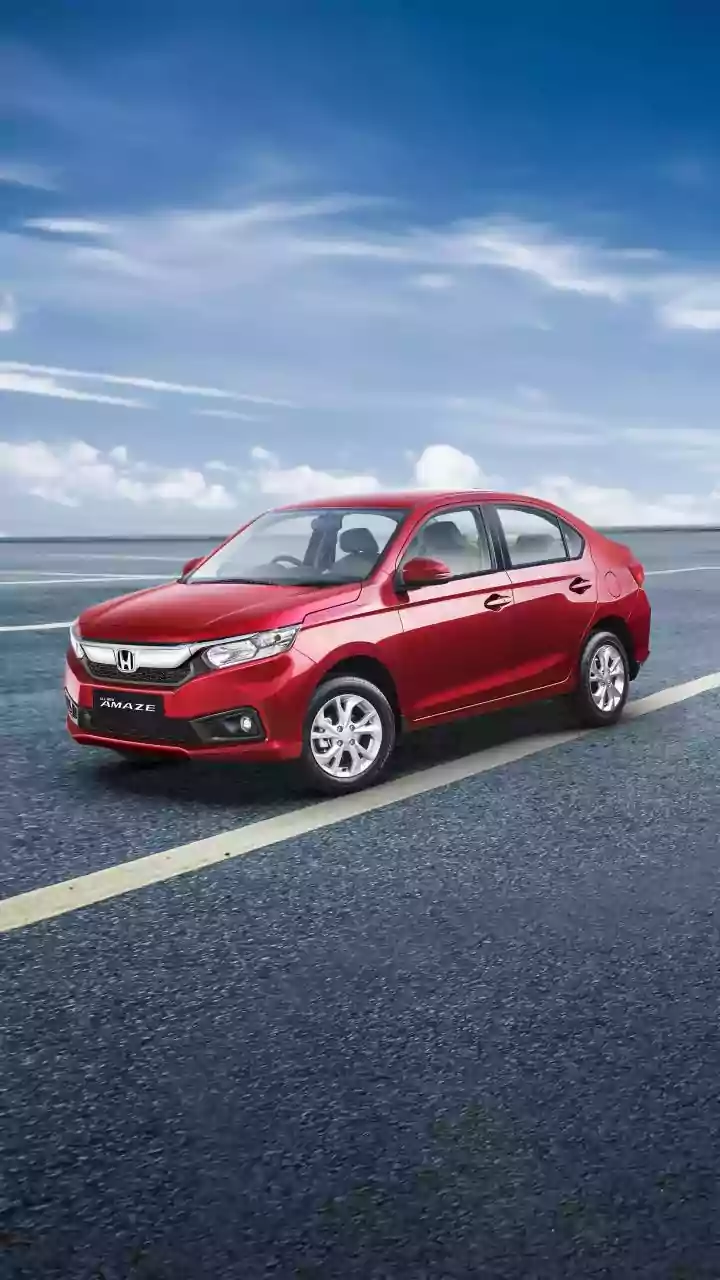
Despite the buzz around electric mobility, CNG remains the heavyweight champion of alternative fuels in India. In August 2026, CNG vehicles accounted for a staggering 25.28% of passenger vehicle retail sales, making it the most popular non-petrol option by a huge margin. Its appeal is straightforward: significantly lower running costs. With petrol prices remaining high, the cost-per-kilometer of a CNG car is often less than half that of its petrol counterpart. This economic advantage is a powerful motivator for the price-sensitive Indian buyer, especially those with high daily mileage. Major manufacturers like Maruti Suzuki and Tata Motors have doubled down on this segment, offering factory-fitted CNG kits in a wide range of popular models, which has boosted consumer confidence and widened availability. The expanding network of CNG stations, now covering over 600 cities, has also helped mitigate concerns about availability.
EVs: The Future is Charging Up
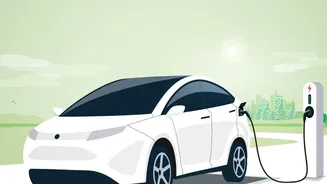
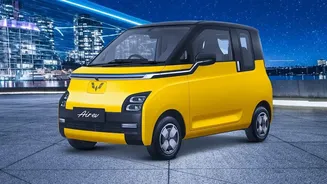
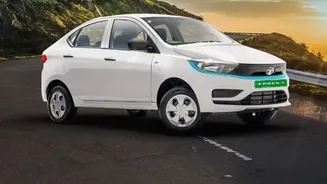
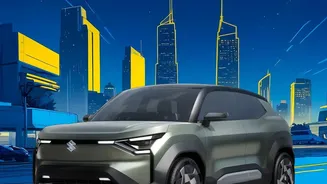
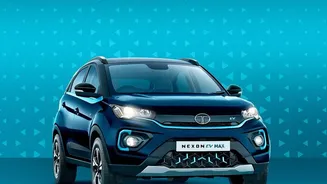
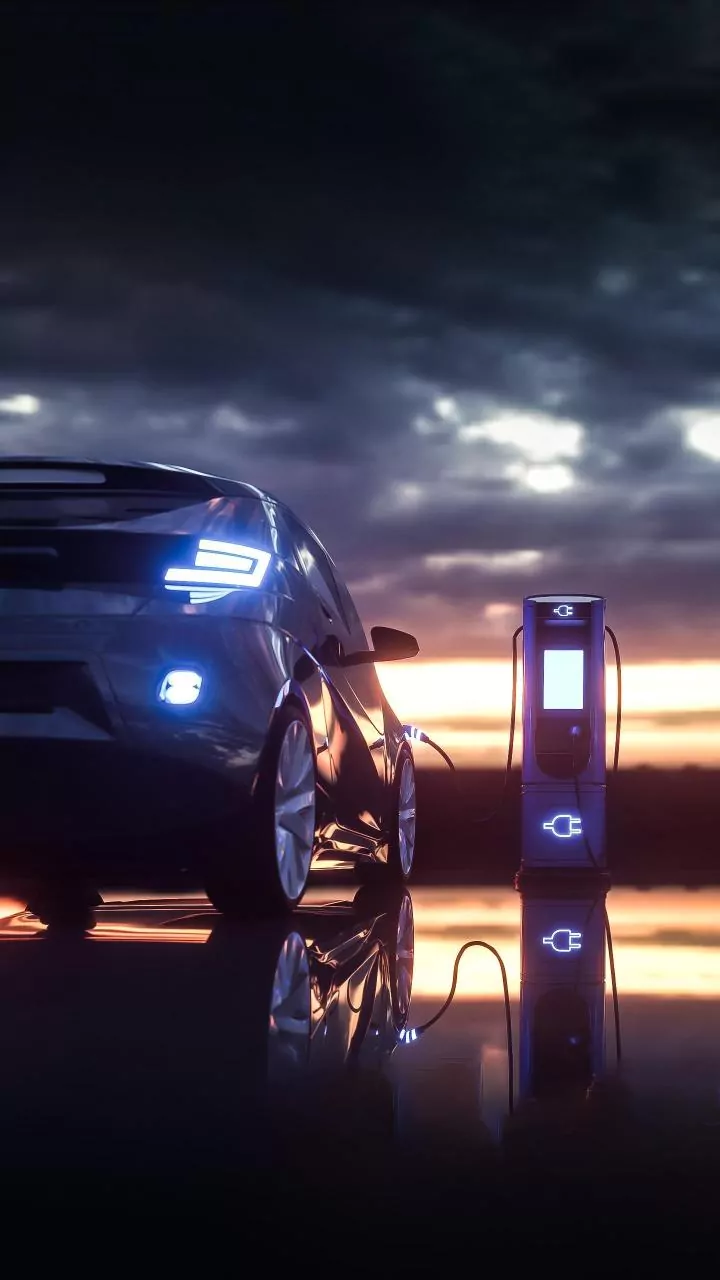
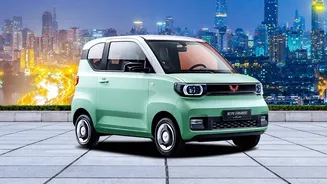
The electric vehicle segment, while smaller than CNG, is growing at a blistering pace. Retail sales of electric passenger vehicles saw a dramatic 79% year-on-year increase in the first half of 2026. In August alone, sales jumped by nearly 85% compared to the previous year. This surge is fueled by a combination of factors: strong government support through schemes and subsidies, improving charging infrastructure in major cities, and a wave of new, more capable models from manufacturers like Tata Motors, Mahindra, and MG Motor. For urban consumers with predictable driving patterns and access to home charging, EVs offer the lowest possible running costs and a tech-forward driving experience. While range anxiety and the high initial purchase price remain barriers for some, the rapid growth indicates that for many, the future of mobility has already arrived. In the first half of 2026, Indians bought more than two and a half electric cars for every one strong hybrid vehicle sold.
Hybrids: The Practical Middle Ground
Positioned between the established world of internal combustion engines and the new frontier of electric vehicles, hybrids offer a compelling compromise. Accounting for about 9% of retail sales in August 2026, strong and mild hybrids are finding favour with buyers who want better fuel efficiency without the range anxiety or charging dependency of a pure EV. Strong hybrids, offered predominantly by Toyota and Maruti Suzuki, can run on pure electric power at low speeds, significantly cutting fuel consumption in city traffic. This makes them an ideal transitional technology for many, providing a taste of electrification with the familiar convenience of a petrol engine. While the segment's growth has been relatively flat compared to EVs, it serves a crucial purpose, bridging the gap for consumers who are not yet ready or able to make the full leap to electric.