



Understanding Your Gut Flora
Your gut is home to trillions of microorganisms, collectively known as your gut microbiome. This complex ecosystem plays a crucial role in everything from digestion and nutrient absorption to your immune system and even your mood. When the balance between
'good' and 'bad' bacteria is disrupted by things like stress, a poor diet, or antibiotics, it can lead to issues like bloating, indigestion, and fatigue. The goal is to nurture a diverse and thriving community of good bacteria, and fermented foods are a fantastic way to do that.
Fermentation: Nature’s Probiotic Factory
Fermentation is an ancient preservation method where beneficial microbes like bacteria and yeast convert sugars in food into other compounds, like lactic acid. This process not only preserves the food but enriches it with probiotics—live, beneficial bacteria that replenish your gut flora. These friendly microbes pre-digest the food, making nutrients more available for your body to absorb and making the food itself easier to digest.
Start with the Classic: Homemade Curd (Dahi)
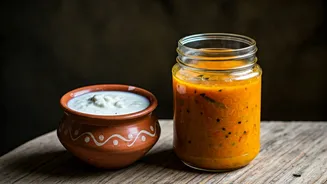
One of the most accessible probiotics in any Indian kitchen is homemade dahi. Freshly made curd is teeming with live cultures that support a healthy gut. To make it, boil full-cream milk and let it cool until it's lukewarm—comfortable to the touch. Whisk in a spoonful of starter curd from a previous batch until smooth, then pour the milk into a container. Cover and leave it in a warm place for 6-10 hours until set. For the most probiotic benefit, enjoy your dahi fresh and avoid heating it, which can kill the beneficial bacteria.
The Tangy Refresher: Gajar ki Kanji
A traditional North Indian fermented drink, Gajar ki Kanji is a tangy, probiotic-rich beverage perfect for aiding digestion. It's typically made with black carrots, but red carrots work just as well. Simply wash and chop carrots and place them in a large, sterilised glass or ceramic jar. Add water, coarsely ground mustard seeds, black salt, and a pinch of asafoetida. Cover the jar with a muslin cloth and let it sit in a sunny spot for 3-4 days, stirring daily. The drink is ready when it develops a pleasant sour taste.
Your Daily Bread (and Batter): Idli and Dosa
You might not think of your breakfast staples as health foods, but the fermentation of idli and dosa batter is what makes them so light and digestible. The process of soaking and resting the rice and urad dal allows beneficial bacteria to break down starches and proteins. This not only makes the nutrients more bioavailable but also populates the batter with gut-friendly probiotics. By making your batter from scratch and allowing it to ferment naturally, you're turning a simple meal into a gut-nourishing powerhouse.
Lacto-Fermented Vegetables
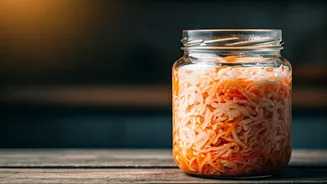
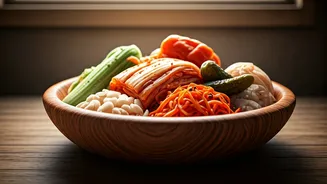
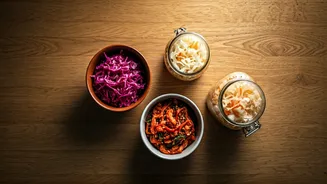
Almost any vegetable can be fermented, a process known as lacto-fermentation. Cabbage (for sauerkraut), carrots, cauliflower, and beets are great for beginners. The basic method involves submerging vegetables in a saltwater brine. A good starting ratio is about 1 tablespoon of non-iodized salt to 2 cups of filtered water. Chop your vegetables, pack them tightly into a clean glass jar, and pour the brine over them until they are completely submerged. Weigh them down to keep them under the liquid, cover the jar loosely, and let it sit at room temperature for a few days to a week, tasting it until it reaches a flavour you like.
Safe Fermenting at Home
While home fermentation is simple, safety is key. Always start with impeccably clean jars and utensils; sterilising them is best. Use filtered or boiled and cooled water, as chlorine in tap water can inhibit fermentation. Use non-iodized salt, like sea salt, as additives in table salt can interfere with the process. Keep your fermenting vegetables submerged under the brine to prevent mould. If you see fuzzy mould or if something smells truly unpleasant, it's best to discard it and start again.