




The Simple Science of Feeling Full
Before we talk about food, let's talk about the feeling of 'satiety'. It’s the sensation of fullness that tells your brain to stop eating. A key player in this process is dietary fiber, a type of carbohydrate the body can't digest. When you eat fiber-rich
foods, the process of digestion slows down. Soluble fiber, in particular, absorbs water and forms a gel-like substance in your digestive tract. This not only keeps you feeling full for a longer period but also helps prevent the sharp blood sugar spikes that can lead to cravings later. By making you feel satisfied, a high-fiber diet can naturally help regulate your appetite and reduce the urge for frequent, unhealthy snacking.
Our Traditional Fiber Powerhouses
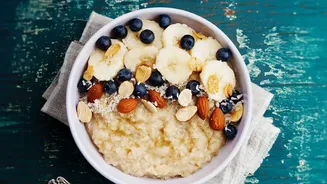
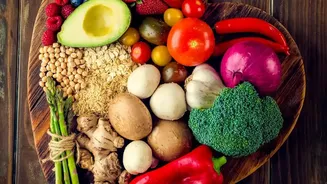
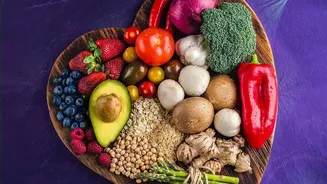
The good news is that traditional Indian cuisine is naturally abundant in high-fiber foods. You don't need to look for expensive or exotic ingredients; they are likely already in your pantry. Whole grains like millets (jowar, bajra, ragi), whole wheat for rotis, and brown rice are fantastic sources. Dals and legumes, such as chana, rajma, and moong, are packed with both fiber and protein, a combination that is excellent for satiety. Vegetables are another critical component. Seasonal produce like bhindi (okra), lauki (bottle gourd), and leafy greens like palak (spinach) and methi (fenugreek) are loaded with fiber. Even fruits, especially those eaten with their skin like guavas, contribute significantly to your daily fiber intake.
More Than Just Weight Management
The benefits of prioritising fiber extend far beyond just feeling full. A diet rich in both soluble and insoluble fiber is crucial for digestive health. Insoluble fiber adds bulk to stool, which helps prevent constipation and keeps your system regular. Furthermore, a high-fiber diet nourishes your gut microbiome. Certain fibers act as prebiotics, feeding the beneficial bacteria in your gut. A healthy gut is linked to everything from a stronger immune system to better mental health. By stabilising blood sugar levels, fiber plays a protective role against metabolic conditions like type 2 diabetes. It also helps lower 'bad' LDL cholesterol, supporting long-term heart health.
Making It a Sustainable Habit
Incorporating more fiber into your diet doesn’t require a complete overhaul of your eating habits. It's about making small, intelligent swaps. Start by replacing refined grains with their whole counterparts—choose whole wheat atta for your rotis or try millets like bajra or jowar a few times a week. Ensure every main meal includes a generous portion of vegetables or a bowl of dal. Snacking on fruits, makhana, or a handful of roasted chana is a healthier and more filling alternative to processed snacks. The key is to build these changes gradually. A balanced plate that includes protein, vegetables, and a measured portion of whole-grain carbohydrates is far more sustainable than a restrictive plan that is culturally isolating and difficult to maintain.