
Prioritising Gradual Acclimatisation
High altitude trekking's primary health risk is Acute Mountain Sickness (AMS), which occurs when the body doesn't adjust to lower oxygen levels. To combat this, responsible travel groups design itineraries with gradual ascent, especially above 2,500 metres.
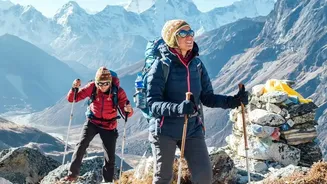
They build in mandatory rest days every 1,000 metres or so of elevation gain, allowing trekkers' bodies to adapt. This "climb high, sleep low" philosophy, where groups may climb to a higher point during the day before descending to sleep, is a core tenet of safe high-altitude travel. A slow and steady pace is enforced, as rushing can significantly increase AMS risk.
Expert Guides and Robust Support Staff
A trek's safety is only as strong as its leadership. Professional outfitters ensure their trek leaders and guides are certified, often from recognized mountaineering institutes, and have extensive experience on the specific terrain. These local experts are invaluable; they understand the region's weather patterns, identify potential hazards like landslide-prone zones, and know emergency protocols inside-out. Good companies maintain a healthy guide-to-trekker ratio, ensuring personal attention and constant monitoring of each individual's condition. Support staff, including porters and cooks, reduce the physical strain on trekkers, helping them conserve vital energy for the ascent.
Comprehensive Medical and Emergency Protocols
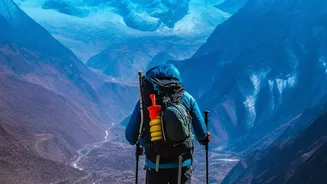
Come August, the monsoon makes trails slippery and increases risks. Travel groups prepare by conducting daily health checks, monitoring participants for any signs of AMS like headaches or nausea. They carry comprehensive medical kits equipped with necessary medications, including Diamox for altitude sickness, and basic first-aid supplies. Crucially, for high-altitude routes, they are equipped with portable oxygen cylinders and sometimes even hyperbaric bags (PAC) for severe AMS cases. A clear, pre-planned emergency response is in place, including evacuation procedures and contacts for local rescue services.
The Right Gear for Monsoon Conditions
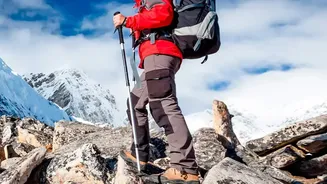
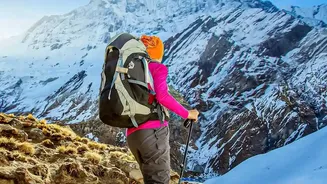
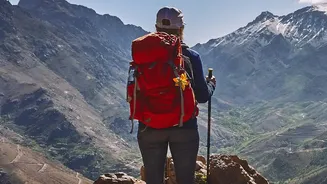
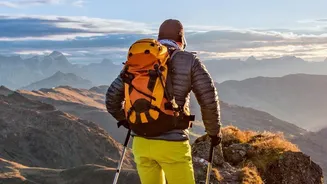
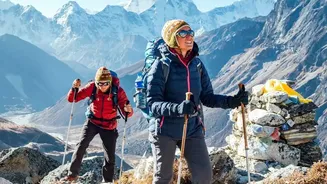
August trekking in Uttarakhand is a wet affair. Companies conduct thorough pre-trek briefings to ensure every participant has the correct gear. This is not just a recommendation, but a safety requirement. Essential items include high-quality waterproof jackets and pants, not just water-resistant ones. Quick-drying synthetic clothes are a must, as cotton stays wet and can lead to hypothermia. Sturdy, waterproof trekking shoes with excellent grip are non-negotiable for navigating muddy and slippery trails. Trekking poles are also considered essential for maintaining balance. Operators often insist on waterproof backpack covers and dry bags to protect electronics and spare clothing.
Real-Time Weather and Route Monitoring
The Himalayan weather is notoriously unpredictable, especially during the monsoon. Reliable travel groups continuously monitor weather forecasts from sources like the India Meteorological Department (IMD) before and during the trek. They also stay updated on road and trail conditions, which can change rapidly due to landslides or swollen streams. This allows them to make informed decisions, such as starting treks early in the morning to avoid common afternoon showers and having the flexibility to alter routes or turn back if conditions become unsafe. This commitment to caution over summit-fever is the hallmark of a truly professional and safety-conscious organisation.