



More Than Just Folklore
Local Environmental Knowledge, often called Traditional Ecological Knowledge (TEK), is the cumulative body of wisdom and beliefs handed down through generations about the relationship between living beings and their environment. It’s not a collection
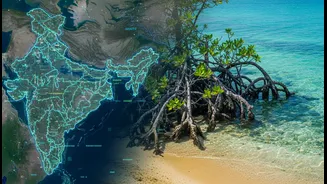
of charming myths; it is a dynamic system of understanding built on centuries of direct observation, hands-on experimentation, and cultural adaptation. This knowledge is held by communities who have lived on and depended on their land for millennia, from Adivasi tribes in India's forests to coastal fishing communities. It encompasses everything from the medicinal properties of plants to the subtle signs that predict a change in weather patterns, forming a deeply contextual understanding that modern science is only beginning to appreciate.
A Critical Ally Against Climate Change
As climate change brings more frequent and intense weather events, TEK is proving to be a vital tool for adaptation. Communities across India have long used their knowledge to cope with environmental variability. In the drought-prone regions of Rajasthan, traditional water harvesting and management techniques are being revitalized to build resilience. In the Himalayas, indigenous farming and irrigation practices, honed over centuries, are crucial for preserving ecosystems and ensuring food security in a changing climate. These practices, which include cultivating diverse, climate-resilient seed varieties and maintaining soil health, offer cost-effective and sustainable solutions that are deeply rooted in the local context.
The Guardians of Biodiversity
Globally, lands managed by indigenous peoples and local communities boast remarkable levels of biodiversity. This is no coincidence. In India, the tradition of maintaining sacred groves—patches of forest protected by local communities for cultural and religious reasons—has created invaluable sanctuaries for rare and endangered species outside of official protected areas. For example, the Apatani tribe in Arunachal Pradesh practises a sophisticated system of integrated rice and fish farming that creates a symbiotic ecosystem, enhancing biodiversity and soil fertility. This deep understanding of ecological interconnectedness is something that broad, top-down conservation plans often miss.
When Satellites and Storytellers Converge
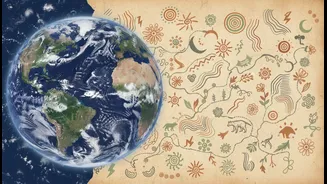
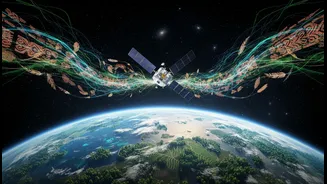
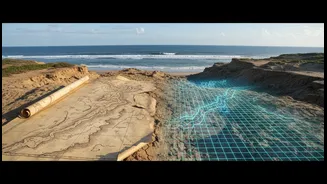
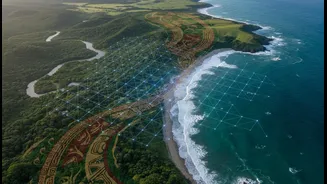
The true power for the future lies not in choosing between technology and tradition, but in blending them. Satellite data can show the 'what'—like changing forest cover or shrinking water bodies—but local knowledge provides the crucial 'why' and 'how'. In the Arctic, Inuit hunters are using an app called SIKU, which combines real-time satellite imagery of sea ice with their own on-the-ground observations to navigate safely. Similarly, in West Africa and Brazil, researchers have found that combining satellite data with local reports gives a much more accurate picture of deforestation and illegal mining than either source could alone. This combination fills critical data gaps and leads to more effective and equitable environmental management.
A Human Dimension to Data
Ultimately, the 'Space Age' gives us incredible tools, but these tools are incomplete without human context. Data from orbit can be powerful, but it lacks the nuance of lived experience. It can’t replicate the knowledge of a farmer who knows which crops will survive a delayed monsoon, or a fisherman who understands the breeding cycles of local fish. This knowledge is not static; it evolves with each generation. Integrating it into modern science and policy is not just about respecting the past; it's a pragmatic strategy for building a more resilient and sustainable future. As we face unprecedented environmental challenges, we need every tool at our disposal, and this ancient, living library of human experience is one of our most valuable assets.