





Understanding Repetitive Strain Injury
Repetitive Strain Injury, or RSI, is not a single condition but a broad term for pain and damage to muscles, tendons, and nerves caused by repetitive movements and overuse. For desk workers, this stems from thousands of small, repeated actions like typing
and using a mouse, often compounded by maintaining a static posture for hours. Symptoms often start subtly, with minor aches, tenderness, or tingling in the hands, wrists, forearms, or neck. If ignored, this discomfort can escalate into chronic pain, weakness, and conditions like carpal tunnel syndrome or tendonitis, which can severely impact both work and daily life.
The Power of Proactive Stretching
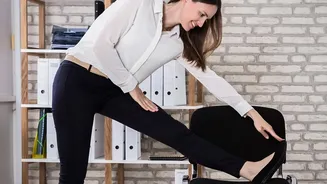
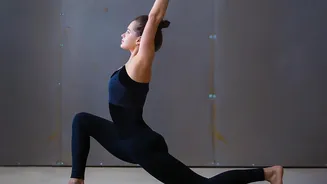
The most effective way to combat RSI is through prevention. While an ergonomic workstation is a crucial first step, integrating regular movement and stretching is just as vital. Stretching helps counteract the negative effects of prolonged sitting by increasing blood flow, which delivers oxygen and nutrients to your muscles. This improves flexibility, reduces muscle tension, and helps prevent the micro-trauma from accumulating. Taking short, frequent breaks to stretch interrupts the static postures that lead to strain, giving overworked muscles a chance to relax while engaging underused ones. Think of it as hitting a reset button for your body throughout the day.
Simple Wrist Stretches You Can Do at Your Desk
These stretches can be performed in just a few minutes. For each stretch, hold the position for 15-30 seconds without bouncing, and never push into sharp pain. Wrist Extensor Stretch: Extend one arm in front of you with your palm facing down. Gently bend your wrist so your fingers point toward the floor. Use your opposite hand to apply light pressure to the back of the stretching hand, deepening the stretch in your forearm. Wrist Flexor Stretch (Prayer Stretch): Extend your arm out, but this time with your palm facing up. Use your other hand to gently pull your fingers down and back toward your body. You can also press the palms of both hands together in front of your chest and slowly lower them toward your waistline until you feel a good stretch.
Essential Neck Stretches for Relief
Neck tension is a common complaint for desk workers, often caused by craning forward to look at a monitor. These gentle stretches can help release that tension. Chin Tucks: Sit up straight and look directly ahead. Gently draw your head backward, as if creating a double chin, without tilting your head up or down. You should feel a stretch at the back of your neck. Hold for a few seconds and release. Upper Trap Stretch: While seated, gently tilt your head to bring your right ear toward your right shoulder. To deepen the stretch, you can let your left arm hang down toward the floor or place your right hand on the left side of your head to apply very light pressure. Hold for 15-30 seconds and repeat on the other side.
Building a Healthy Habit
Knowing the stretches is one thing; doing them is another. The key to prevention is consistency. Try linking your stretch breaks to an existing habit, such as after finishing a long email or at the top of every hour. Set a recurring timer on your phone or computer as a reminder. The popular '20-20-20 rule'—every 20 minutes, look at something 20 feet away for 20 seconds—is great for eye strain and can also serve as a prompt for a quick wrist or neck stretch. By making these small movements a non-negotiable part of your workday, you invest in your long-term health and well-being, keeping pain at bay and allowing you to stay productive and comfortable.