

The Allure of the Monsoon Safari
For years, the period from July to September was considered the off-season for Indian wildlife tourism. Many core zones of famous national parks close due to breeding season and inaccessible, rain-damaged tracks. However, savvy travellers and nature photographers
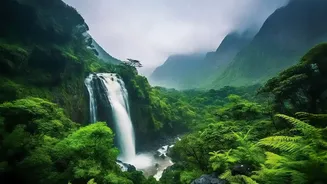
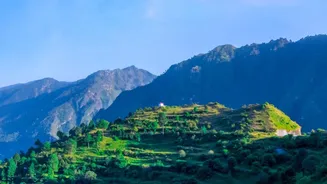
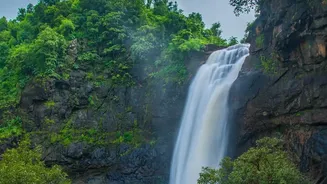
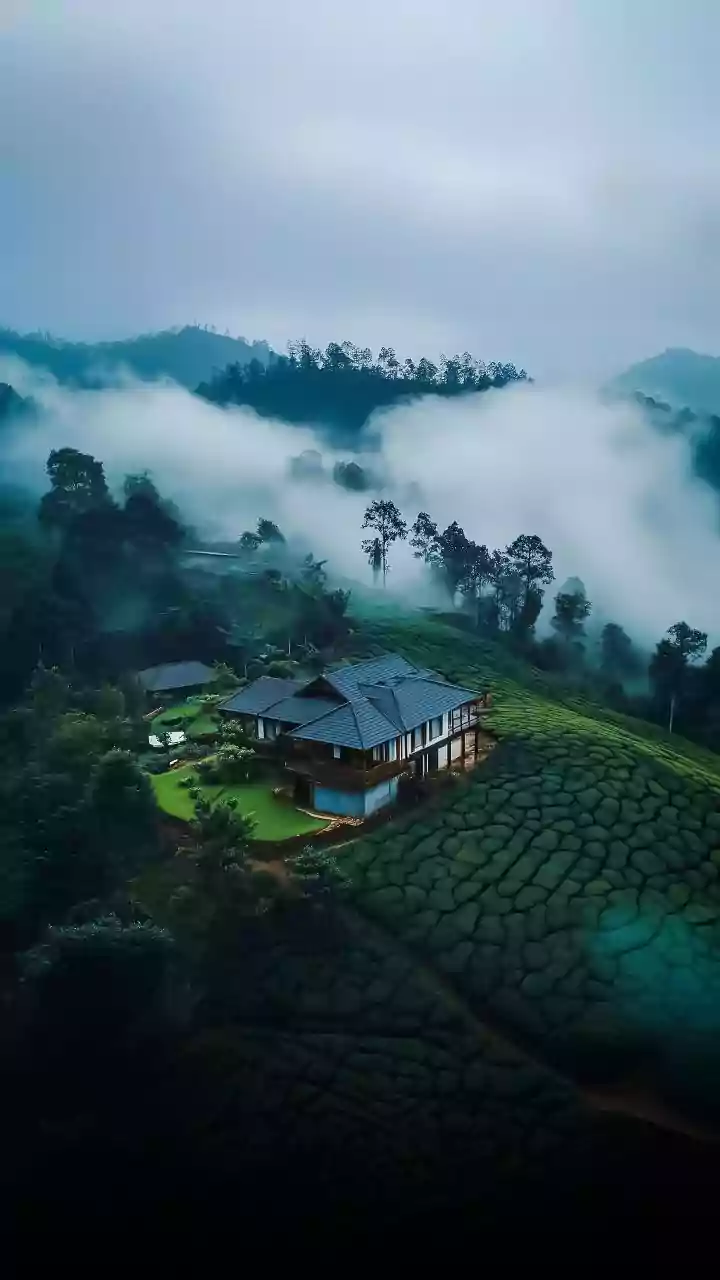
have started to embrace this period, leading to a noticeable increase in interest for August safaris. The appeal is multi-faceted: the forests, washed clean by the rains, are transformed into a vibrant, emerald paradise. The air is fresh, the dust settles, and the entire ecosystem feels rejuvenated. This sensory experience, from the scent of wet earth to the dramatic, cloud-laden skies, offers a stark contrast to the dry, dusty landscapes of the peak summer season. Furthermore, the monsoon season often means fewer tourists, leading to a more intimate and peaceful safari experience with potentially lower prices.
Where to Go: Parks Open in August
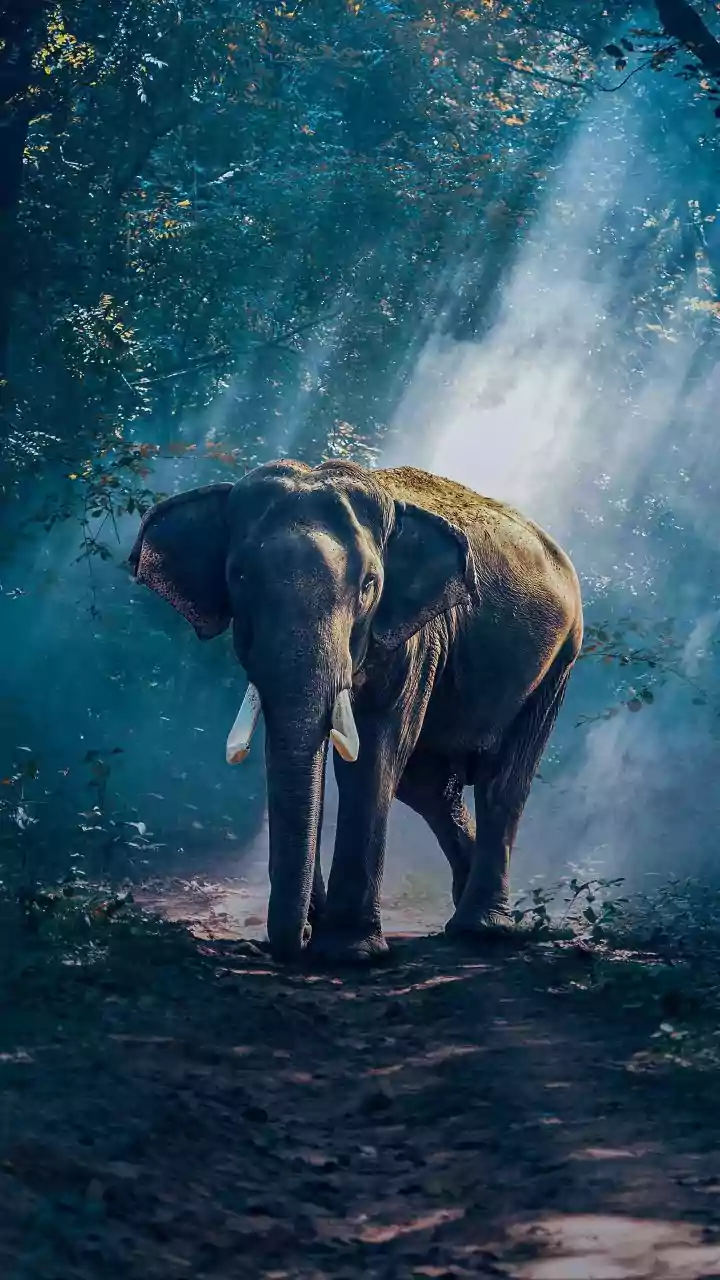
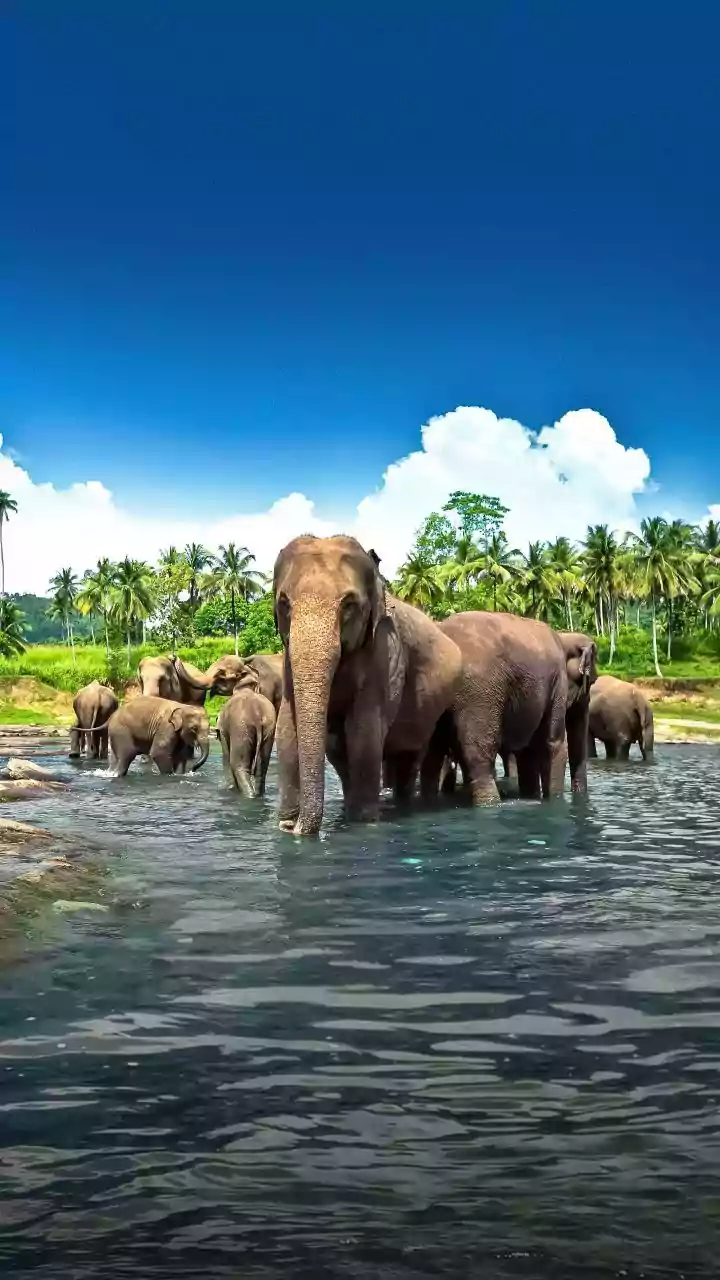
While many core tiger habitats are shut, several national parks and reserves keep their buffer zones or specific tourism circuits open, offering fantastic monsoon wildlife experiences. In Maharashtra, the buffer zones of Tadoba Andhari Tiger Reserve are a prime destination, known for a high density of tigers that remain active. Similarly, the buffer areas of Pench National Park, which inspired Kipling's 'The Jungle Book', are open and offer a serene safari experience. Down south, Karnataka is a major hub for year-round safaris. Nagarhole National Park (also known as Kabini) and Bandipur National Park remain largely accessible. These parks, part of the Nilgiri Biosphere Reserve, are famous for large herds of Asiatic elephants, which are often seen enjoying the rains near water bodies. In Kerala, Periyar National Park is a standout, where boat safaris on the lake provide a unique vantage point for spotting elephants, gaur, and various birds against a misty, green backdrop. Even parts of Rajasthan's famed Ranthambore National Park (specifically zones 6-10) stay open for enthusiasts.
A Photographer’s Green Paradise
For photographers, the monsoon is a season of unparalleled opportunity. The lush, green backdrop makes colours pop, and any animal sighting becomes a dramatic composition. The soft, diffused light of an overcast day is often more flattering for wildlife portraits than the harsh sun of summer. The atmosphere itself—mist rising from the valleys, rain-soaked foliage glistening, and dramatic cloud formations—creates powerful and evocative images. Water bodies are full, attracting animals and birds, and creating chances for beautiful reflection shots. Many seasoned wildlife photographers specifically seek out parks during this time to capture the jungle in its most vibrant and lively state, a far cry from the parched scenes of April and May.
What to Expect and How to Prepare
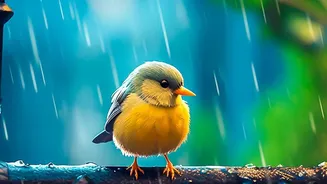
A monsoon safari is a different kind of adventure that requires some preparation. Sightings can be different; while the green cover can make spotting tigers more challenging, many naturalists argue that animals, especially tigers, use the safari tracks more often to avoid the tall, wet grass, potentially increasing sightings. Elephants are generally more active and visible. Birdwatching is often exceptional, as many species are particularly active. It is essential to book safaris in advance, as the number of vehicles allowed in open zones can be limited. Packing is crucial: waterproof jackets, rain covers for camera gear, and water-resistant footwear are non-negotiable. Insect repellent is also a must. While the experience is magical, travellers should be prepared for occasional downpours that might interrupt a drive. Hiring experienced local guides who understand animal behaviour in the monsoon is highly recommended for a safe and fruitful trip.