




The Current Situation: A Tale of Two Realities
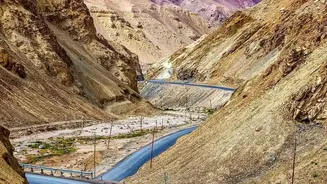
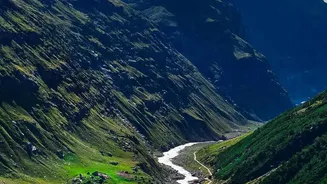
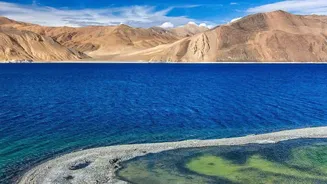
The single most important thing to understand about a monsoon trip to Spiti is that the valley itself and the roads to get there are two completely different worlds. Spiti is a rain-shadow desert, meaning while it might be relatively dry and sunny in Kaza,
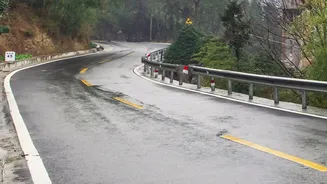
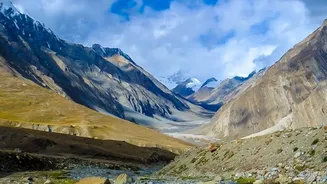
the approach roads through Kinnaur and Manali are taking the full force of the monsoon. As of early August 2026, the India Meteorological Department (IMD) has active rainfall alerts for Himachal Pradesh, warning of potential landslides and flash floods. Reports from August 8 have indicated that heavy landslides have already blocked national highways on the routes to Shimla and Manali, making travel extremely hazardous. This isn't just about a bit of rain; it's about swollen rivers, unpredictable water crossings (nallas), and the very real risk of roads getting washed away.
Official Advisories: Heed the Warnings
Authorities are not mincing words. The Himachal Pradesh government has repeatedly urged tourists and residents to avoid unnecessary travel during the monsoon. The IMD has issued alerts for heavy to very heavy rainfall across the state through mid-August, specifically flagging the risk of localised landslides and mudslides in vulnerable areas. As of August 10, 2026, the IMD has also noted a low to moderate flash flood risk for parts of Shimla district. These warnings are not just suggestions; they are critical safety advisories based on active weather patterns. Police in regions like Manali have been fining tourists who venture too close to swelling rivers, highlighting the serious and immediate danger. Always check the latest updates from official sources like the IMD Shimla portal and the state disaster management authority before making any decisions.
Which Route is Safer? A Perilous Comparison
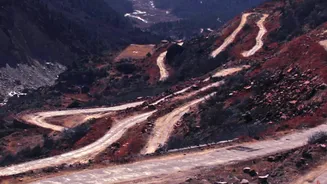
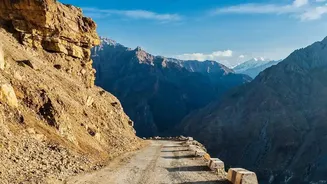
There are two main roads into Spiti: one via Shimla and Kinnaur (NH-5), and the other via Manali and Kunzum Pass. During the monsoon, calling one 'safer' is relative. The Shimla-Kaza route is generally considered more stable and is preferred for monsoon travel as it avoids the highest passes until later in the journey. However, it is significantly longer and has its own landslide-prone stretches, particularly between Wangtu and Sumdo, and near Nako and Malling Nallah. The Manali-Kaza route, while shorter, is far more treacherous in August. It involves crossing Kunzum Pass (around 14,931 feet) and the notoriously difficult stretch between Gramphu and Batal, which is famous for its rough tracks and wild water crossings that swell dangerously in the afternoons. While the Manali-Kaza road may be technically open to 4x4 vehicles, it is extremely vulnerable to weather-related closures. The consensus for August travel is clear: if you must go, the Shimla route is the less risky option, but it is by no means risk-free.
The Real Risks Beyond a Closed Road
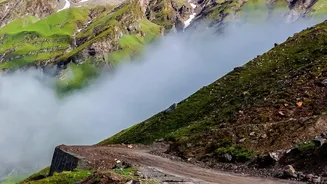
A flash flood or landslide doesn't just mean a delay; it can mean being stranded for days without connectivity or access to supplies. Mobile networks are patchy to non-existent in many parts of the Spiti circuit. The danger of 'shooting stones'—rocks and boulders dislodged by rain—is a constant threat on hillside roads. Water crossings (nallas) that are mere trickles in the morning can become raging, impassable torrents by the afternoon as snow melts and rain accumulates. Driving through these is a gamble that even experienced local drivers treat with extreme caution. Self-driving, especially for those unfamiliar with mountain terrain, is highly discouraged during this season. Even with a local driver, getting stuck between landslides is a tangible risk that can wreck your entire itinerary and pose a serious safety threat.
An Essential Checklist if You Still Plan to Go
If, after considering all the warnings, your travel is unavoidable, you must prioritize safety with meticulous planning. First, build at least two to three buffer days into your itinerary. This is non-negotiable and can absorb delays from road closures. Travel only during daylight hours and start early to cross water-logged sections before they swell. Your vehicle must be a high-ground-clearance 4x4; a regular sedan is not equipped for these conditions. Pack essentials for being stranded: extra food, water, a first-aid kit with altitude sickness medication, warm layers, waterproof gear, a power bank, and offline maps. Most importantly, stay flexible. Be prepared to change your route or turn back. A hotel booking is not worth risking your life. Check road status with locals or police on the morning you plan to travel, as conditions can change in hours.