




First, Is It Really 'Tea'?
Before diving into the finer details, it's important to know what legally constitutes 'tea' in India. The Food Safety and Standards Authority of India (FSSAI) has clarified that only products derived from the Camellia sinensis plant can be labelled and sold
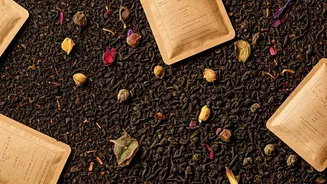
as tea. This includes familiar varieties like black tea, green tea, and oolong tea. Many beverages marketed as 'herbal tea' or 'floral tea', such as chamomile or hibiscus, are technically herbal infusions. While delightful, they are not tea in the official sense. The FSSAI has directed companies to label these products as herbal or plant-based drinks to avoid misleading consumers. An exception exists if the product contains actual tea leaves from the Camellia sinensis plant blended with herbs.
The Origin Story
A key indicator of quality is transparency about origin. Vague labels like "Indian Tea" are less informative than those specifying a region or even a single estate. High-quality brands are proud to state where their tea comes from, as places like Darjeeling, Assam, and Nilgiri are renowned for their unique flavour profiles. A "Single Origin" or "Single Estate" label means the tea leaves were all sourced from one specific geographical area or farm, offering a pure and distinct taste experience without being blended with leaves from other places. This level of detail suggests a commitment to quality and traceability.
Decoding the Leaf Grade
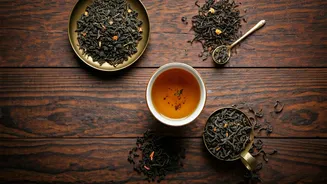
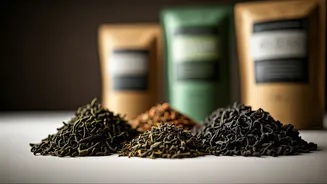
The mysterious string of letters on many black tea packages is a grading system based on the size and wholeness of the leaf. It's not a direct measure of flavour, but it's a good guide to the leaf's quality and style. Generally, the more letters, the higher the grade. Whole leaf teas are considered the highest quality. Common grades include 'Orange Pekoe' (OP), which refers to a whole, long leaf. 'FOP' stands for Flowery Orange Pekoe, indicating a tea made from the top bud and first two leaves. The term 'Tippy Golden Flowery Orange Pekoe' (TGFOP) denotes an FOP with a high proportion of 'golden tips'—the young, unopened buds that add complexity and smoothness. Broken leaves (BOP - Broken Orange Pekoe) are smaller pieces that infuse more quickly and are often more brisk, while Fannings and Dust are the smallest particles, typically used in mass-market tea bags.
Freshness Is Key
Tea is a product of agriculture, and its flavour diminishes over time. A crucial piece of information that is often missing from mass-market labels is the harvest date. Look for the date of plucking or packaging. For specialty teas like Darjeeling, the 'flush' is also important. 'First Flush' (spring harvest) teas are generally lighter and more floral, while 'Second Flush' (summer harvest) teas are more full-bodied and fruity. The freshness of the tea directly impacts its aroma and taste, so a clear date is a sign of a quality-conscious brand. Airtight and opaque packaging also helps preserve freshness by protecting the leaves from light, moisture, and air.
Understanding Certifications
Logos on packaging can offer assurance about the tea's production standards. The Tea Board of India has specific logos for regional teas like Darjeeling and Assam, which certify their authenticity. Other common certifications address ethical and environmental practices. The 'Fairtrade' logo indicates that farmers received a fair price for their crop and work in safe conditions. The 'Rainforest Alliance' (the green frog) signifies that the tea was produced in a way that supports environmental, social, and economic sustainability. Organic certifications (like the USDA seal or India Organic) confirm that the tea was grown without synthetic pesticides or fertilizers. While these certifications don't automatically guarantee superior taste, they provide valuable insight into the brand's values and practices.