






The Monsoon Comfort Conundrum
The first scent of rain on dry earth, the cool breeze, and the rhythmic drumming of raindrops—monsoon is a season of pure magic. And with this magic comes an almost primal urge for comfort food. We're talking about piping hot pakoras, crispy samosas,
and buttery parathas. While these treats offer immense satisfaction, they often leave us feeling sluggish and bloated. During the monsoon, our digestive system naturally slows down, making it harder to process heavy, oily foods. This, combined with the season's increased humidity, can lead to issues like indigestion, acidity, and a general feeling of lethargy. Furthermore, the risk of water-borne infections rises, making a strong immune system more crucial than ever.
A Millet Makeover for Modern Comfort
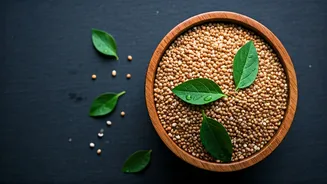
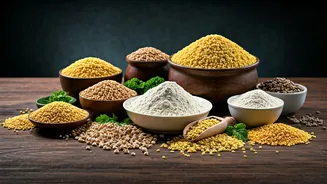
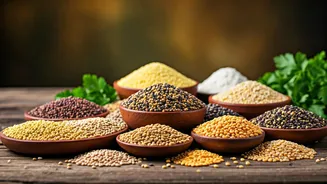
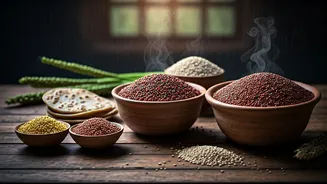
This is where our ancient grains, or millets, come into play. For centuries, Indian households have relied on the wisdom of traditional foods to align with the seasons. Ragi (finger millet) and jowar (sorghum) are two such superstars that are perfectly suited for the monsoon. Think of them not as a compromise, but as a significant upgrade to your comfort food game. These grains are naturally gluten-free, light on the stomach, and packed with nutrients that your body craves during this season. They provide the warmth and satiety we seek without the digestive distress, offering a way to indulge our monsoon cravings intelligently and healthily.
Ragi: The Tiny Grain with Big Benefits
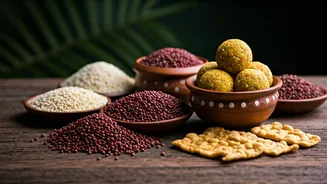
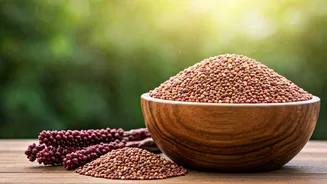
Ragi, with its deep, earthy flavour, is a nutritional powerhouse. It is exceptionally rich in calcium, making it fantastic for bone health. But its monsoon-specific benefits are what make it a must-have. Ragi is an excellent source of iron, which helps combat the fatigue and low energy that can plague us during dreary, overcast days. Its high dietary fibre content ensures your digestive system keeps moving smoothly, preventing the constipation that a slower metabolism can cause. Moreover, ragi is packed with antioxidants that help fortify your immune system, making you more resilient against seasonal colds and flu. The amino acids in ragi can also help you relax, promoting better sleep on those long, rainy nights.
Jowar: The Soothing, Gut-Friendly Grain
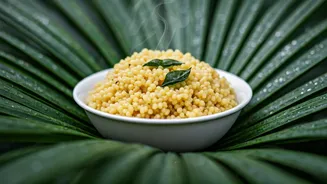
Jowar is often called the 'gentle giant' of millets for its soothing effect on the digestive system. It is incredibly easy to digest, making it an ideal food when your gut is feeling sensitive. Like ragi, it is loaded with dietary fibre, which not only aids regular bowel movements but also acts as a prebiotic, feeding the good bacteria in your gut. A healthy gut microbiome is directly linked to a stronger immune system. Jowar is also a great source of protein and complex carbohydrates, which provide a slow, steady release of energy. This prevents the sudden blood sugar spikes and crashes associated with refined flours and sugary snacks, keeping your energy levels stable and your cravings in check. Its anti-inflammatory compounds further help in keeping the gut calm and happy.
Beyond Bhakri: Reinventing Your Monsoon Menu
Incorporating these millets is easier and more delicious than you think. You don't have to limit yourself to traditional rotis. Start your day with a warm bowl of ragi porridge, sweetened with jaggery and nuts. Swap out rice flour for ragi and jowar in your dosa batter for a crispier, more nutritious version. Craving pakoras? Try making chilas or savoury pancakes with a batter of jowar and ragi flour, packed with veggies and spices. You can even use ragi flour to bake healthier cookies and cakes or use jowar flour as a coating for baked snacks instead of breadcrumbs. Experiment with jowar upma or a hearty millet khichdi for a light but filling dinner. The possibilities are endless and allow you to enjoy all the comforting textures and flavours of the season.