





Understanding the Whitefly Threat
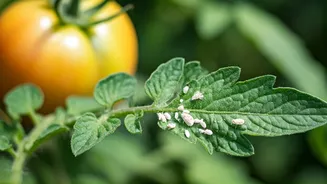
Whiteflies are small, sap-sucking insects that can quickly multiply on tomato plants. Both adult and nymph stages feed on plant juices, which can cause leaves to yellow, curl, and drop prematurely. In large numbers, they can weaken the plant and reduce
your yield. Beyond this direct damage, whiteflies excrete a sticky substance called honeydew, which can lead to the growth of sooty mold. Perhaps most seriously, some species can transmit devastating plant viruses, like the Tomato yellow leaf curl virus, which can stunt growth and cause uneven fruit ripening.
Why Choose Organic Neem Oil?
Neem oil is a natural pesticide extracted from the seeds of the neem tree (Azadirachta indica). It has been used in agriculture for centuries to control pests and diseases. Its power lies in a cocktail of active compounds, most notably Azadirachtin. Unlike harsh chemical pesticides, neem oil works in multiple ways. It acts as a repellent, an antifeedant (discouraging insects from eating), and a growth regulator. When insects ingest it, Azadirachtin interferes with their hormone systems, disrupting their ability to molt, grow, and reproduce. This breaks their life cycle without the immediate knockdown effect of a synthetic poison, making it a cornerstone of integrated pest management (IPM).
How to Mix Your Neem Oil Spray
Most neem oil products sold for gardening are concentrates and must be diluted properly. Using undiluted oil can damage or burn your plants. For a standard preventative spray, a 0.5% to 1% solution is effective. Here is a simple recipe for one gallon of spray: mix 1 to 2 tablespoons of 100% cold-pressed neem oil and 1 to 2 teaspoons of a mild liquid soap (like castile soap) into one gallon of warm water. The soap acts as an emulsifier, allowing the oil and water to mix. Always mix a fresh batch right before use, as the active compounds in neem oil begin to degrade within hours of being mixed with water.
Proper Application for Best Results
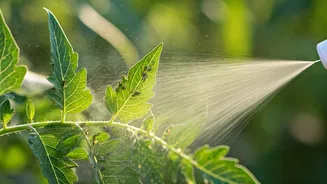
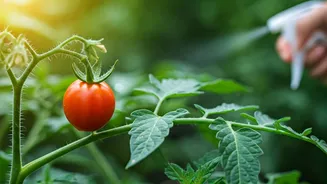
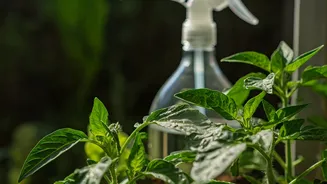
Consistency and thoroughness are key. For a preventative approach, spray your tomato plants every 7 to 14 days. If you have an active infestation, increase the frequency to every 3 to 7 days until the population is controlled. The best time to spray is in the early morning or late evening. Applying neem oil in direct sunlight or high heat can cause leaf scorch. When spraying, ensure you get complete coverage, paying special attention to the undersides of leaves, where whiteflies and their eggs are often found. Don't be afraid to drench the plant, covering stems and the top of the soil as well.
Safety for Your Garden Ecosystem
One of the benefits of neem oil is its low toxicity to mammals and many beneficial insects when used correctly. Because it primarily works when ingested by plant-chewing pests, it generally does not harm pollinators like bees and butterflies that do not feed on the leaves. However, direct spray can harm any insect, so applying it at dusk or dawn when bees are less active is crucial. Once the spray has dried, it is considered safe for pollinators. It is also wise to perform a patch test on a single leaf 24 hours before spraying an entire plant to check for sensitivity.
More Than Just a Pest Repellent
While excellent for whiteflies, neem oil's benefits don't stop there. It is effective against a broad range of other common garden pests, including aphids, spider mites, mealybugs, and even some caterpillars like the tomato hornworm. Furthermore, it has fungicidal properties and can help prevent or control common tomato diseases like powdery mildew, leaf spot, and rust. Some gardeners also use a diluted neem oil solution as a soil drench every few weeks, allowing the plant to absorb it systemically for longer-lasting protection from the roots up.