






From Packets to Plates
The strategy marks a significant evolution for India's food giants. For decades, their global ambition was focused on exporting packaged snacks and sweets, primarily catering to the Indian diaspora's craving for a taste of home. While this built a formidable
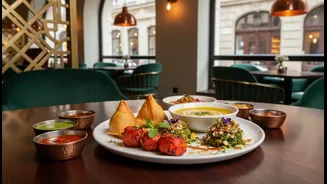
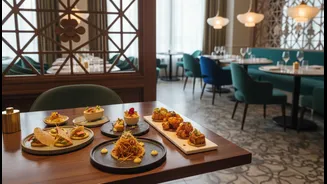
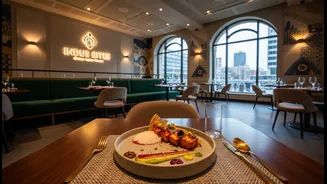
global presence, the next chapter is about creating immersive brand experiences. The goal is no longer just to sell a product, but to become a destination. This transition from product-seller to restaurateur allows brands to control their narrative, presenting Indian cuisine in a curated setting that speaks of quality and authenticity to a diverse global audience. The recent, highly publicized opening of a Haldiram's in London's bustling Leicester Square, which drew massive queues, is a clear signal of this new era. It demonstrates a readiness to compete in the world's most demanding food capitals.
The Business Behind the Biryani
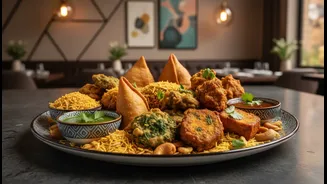
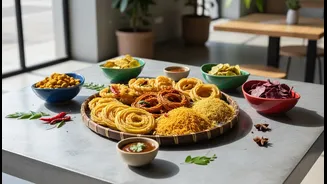
This expansion is driven by a sound business rationale. While packaged goods build brand recognition, restaurants offer higher profit margins and deeper customer loyalty. By creating a physical space, brands can showcase the full breadth of their culinary range—from street food like chole bhature and chaat to elaborate thalis and sweets—in a way a packet of namkeen simply cannot. Rhea Agarwal, a member of the Haldiram's founding family overseeing its European expansion, has noted that the objective is to sell a complete experience. This move also capitalizes on the growing global appetite for authentic, diverse cuisines. As consumers in markets like the US and UK become more adventurous, these brands are perfectly positioned to move from the 'ethnic' food aisle to the mainstream dining scene.
The Culinary Ambassadors
Haldiram's is a prominent example, but it's not alone. The brand, which started as a small shop in Bikaner in 1937, now has outposts in Dubai and its new London flagship, with plans for further expansion across Europe. They are taking inspiration from successful Indian restaurant concepts like Dishoom, aiming to create a similarly premium and popular dining experience. Meanwhile, Bikanervala has been steadily growing its international footprint, opening restaurants across the USA in states like Texas and New Jersey, as well as in Canada, New Zealand, and the UAE. Their focus is on serving a wide range of vegetarian North Indian and Indo-Chinese cuisine, leveraging the brand equity of their Bikano snack line. Even Bikaji Foods International is making strategic moves, investing heavily in its retail and food service subsidiary to develop cafes and restaurants, signaling a broader industry trend.
Challenges on the Global Menu
The path to international restaurant success is not without its hurdles. Brands must navigate complex international food safety regulations, which differ significantly from country to country. Establishing robust supply chains to source authentic ingredients and maintain consistent quality across continents is a major logistical challenge. There is also the need to adapt to local palates without losing the authentic flavours that define their brand. This might mean offering milder versions of certain dishes or creating fusion items to appeal to a wider audience. Furthermore, the financial investment is substantial, involving prime real estate costs, staffing, and marketing in highly competitive environments where they compete with established local and international players.