



What 'Responsible' Means in Kaziranga
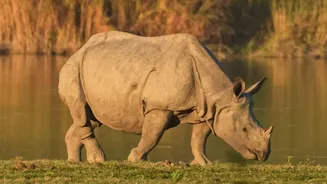
Responsible tourism is about more than just a memorable trip; it's about ensuring the park and its inhabitants thrive long after you've left. In Kaziranga, this means respecting its status as a critical sanctuary. The park is a success story, having brought
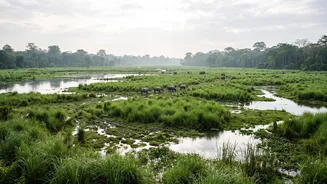
the one-horned rhino back from the brink of extinction. However, this delicate ecosystem faces pressure from tourism, highway traffic, and climate change. Being a responsible visitor means actively choosing to minimize your footprint. This involves following park rules, respecting wildlife, and making choices that support both the environment and local communities who are vital partners in conservation. The goal is to leave Kaziranga as pristine as you found it, ensuring its survival for generations to come.
Choosing Your Safari: The Jeep vs. Elephant Debate
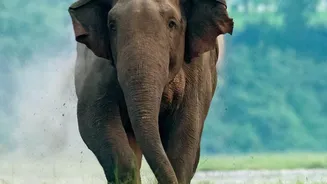
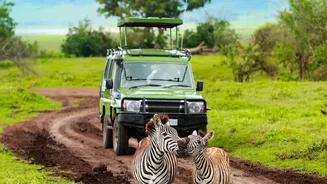
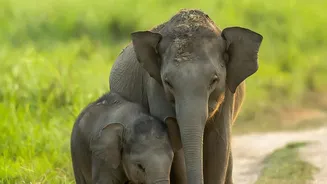
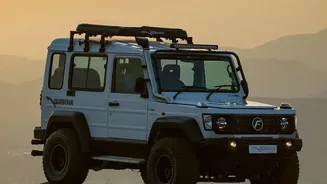
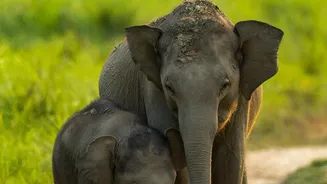
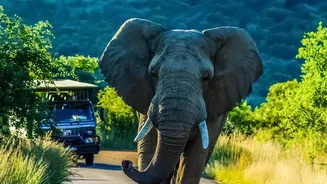
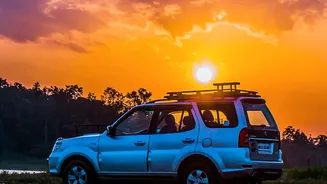
Kaziranga offers two main safari experiences: the far-reaching jeep safari and the up-close elephant safari. Jeep safaris cover more ground across the park's different zones—Central (Kohora), Western (Bagori), and Eastern (Agoratoli)—allowing you to see varied landscapes and wildlife over a longer period. They are widely considered a practical and lower-impact way to explore. The elephant safari, offered only in the morning in certain zones, takes you off-road into the tall grasslands, often getting very near to rhinos. However, this option comes with significant ethical debate. Animal welfare organisations argue that all elephants used for rides undergo harsh training. While Kaziranga's elephant safaris are regulated by the forest department, many responsible travel advocates now advise against them. If you choose a jeep safari, you are still guaranteed a fantastic opportunity to see the park's famed residents without contributing to this ethical grey area.
The Golden Rules of Wildlife Viewing
A great safari is one where the animals remain undisturbed. To achieve this, follow a few simple but crucial rules. First, maintain silence. Loud noises can stress wildlife and ruin a sighting for everyone. Keep a respectful distance, and never ask your driver to get closer or block an animal's path. Your attire matters, too; wear neutral, earth-toned colours like khaki, olive, and brown to blend in with the environment, as bright colours can startle animals. Flash photography is strictly forbidden as it can disrupt animals and, in some cases, cause harm. Finally, leave no trace. Do not throw any litter from the vehicle, and carry out everything you bring in. These rules are not just for your safety, but for the well-being of the park's inhabitants.
Beyond the Safari: Supporting Local Communities
Your impact as a tourist extends beyond the safari jeep. The conservation success of Kaziranga is deeply connected to the local communities living around the park. When these communities benefit from tourism, they become powerful allies in protecting wildlife. You can contribute by choosing eco-friendly lodges and homestays that employ local staff and follow sustainable practices. Another way to help is by purchasing authentic, locally-made handicrafts directly from artisans. This provides them with a sustainable livelihood and reduces dependency on the park's resources. Engaging with the local culture respectfully fosters a positive relationship between tourism and conservation, strengthening the protection of this invaluable habitat.
Planning Your Visit: Timing and Bookings
Timing is everything when planning a trip to Kaziranga. The park is typically open to visitors from November through April, remaining closed during the monsoon months (usually May to October) due to flooding. The best season for sightings and pleasant weather is generally from November to February, when the tall grasses have been cut back. The park is divided into several zones, with the Western (Bagori) range known for rhino sightings and the Eastern (Agoratoli) range being excellent for birdwatching. It is essential to book your safaris in advance, especially during the peak season, as permits for both jeep and elephant safaris are limited and sell out quickly. Bookings can often be made through the official park portal or reputable tour operators.