


First, Know The Rules
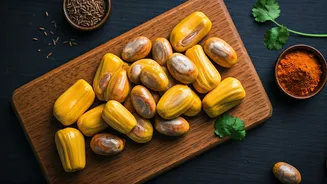
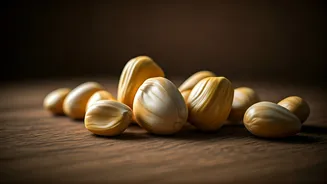
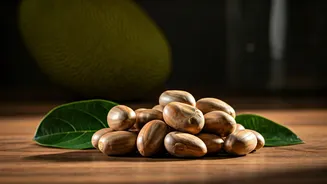
Before you begin, there’s one critical rule: jackfruit seeds must never be eaten raw. They contain antinutrients, like tannins and trypsin inhibitors, which can interfere with nutrient absorption and digestion. The good news is that cooking deactivates
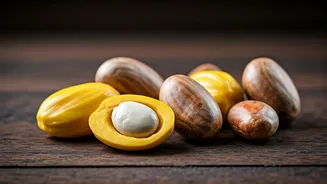
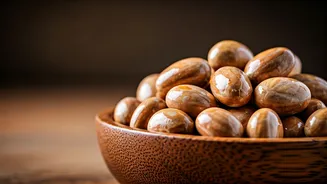
these compounds entirely. The two most common methods are boiling and roasting. To boil, simply place the seeds in a pot, cover with water, and cook for 20-30 minutes until they are tender enough to be pierced with a fork. To roast, preheat your oven to 200°C (400°F), spread the seeds on a baking sheet, and bake for about 20 minutes until toasted. Once cooked and cooled, the outer white skin can be peeled off easily. The thin, papery brown skin underneath is edible and can be left on.
A Surprising Nutritional Punch
Discarding jackfruit seeds means throwing away a powerhouse of nutrition. They are packed with protein, carbohydrates, and fibre. In fact, they contain more protein, calcium, magnesium, and iron than the fruit's flesh. They are also a good source of B vitamins like thiamine and riboflavin, which help your body convert food into energy. With a texture often compared to potatoes or chestnuts, they are a starchy and satisfying addition to any meal. Traditional wisdom in South Asia has long celebrated these seeds for their health benefits, from aiding digestion to boosting the immune system.
The Simple Roasted Snack
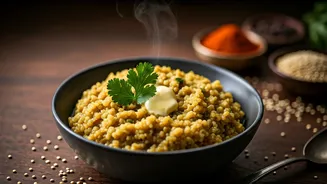
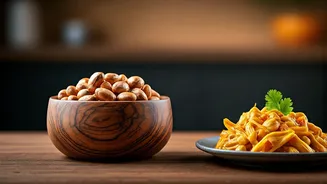
The easiest way to enjoy jackfruit seeds is as a simple roasted snack. After boiling or pressure cooking the seeds until soft, drain them well. In a pan, heat a bit of oil and splutter some mustard seeds. Add the cooked and sliced seeds, along with a sprinkle of salt, turmeric, and chilli powder. Sauté for a few minutes until the spices are fragrant and the seeds are lightly toasted and crispy. You can also add curry leaves, chopped onion, and garlic for extra flavour. This makes for a perfect evening snack or a crunchy side dish to accompany rice and sambar.
A Hearty and Wholesome Curry
Jackfruit seeds are a fantastic substitute for potatoes or lentils in curries, providing a nutty flavour and hearty texture. A popular approach is a South Indian-style kurma. Start by making a paste of grated coconut, chillies, and spices. In a pan, sauté onions, ginger-garlic paste, and whole spices before adding the boiled and peeled jackfruit seeds. Pour in the ground coconut paste and water, then simmer until the curry thickens and you see traces of oil on the surface. This comforting curry pairs beautifully with plain rice, ghee rice, or rotis.
Versatile, Gluten-Free Flour
For the more adventurous cook, jackfruit seeds can be transformed into a nutrient-dense, gluten-free flour. This is a great way to preserve a large batch of seeds. After boiling and peeling, the seeds need to be thoroughly dried. You can do this by slicing them thinly and either sun-drying them for a couple of days or using a food dehydrator. Once completely dry and brittle, simply grind them into a fine powder using a blender or mixer. This flour can be blended with wheat flour for baking or used to thicken soups and sauces. In some regions, it's used to make everything from baked snacks to dosas.
A Creative, Creamy Hummus
Move over, chickpeas. Boiled jackfruit seeds can be used to make a surprisingly creamy and delicious hummus. Once the seeds are boiled until very tender and peeled, add them to a food processor. Blend them with traditional hummus ingredients: tahini (or garlic spread), lemon juice, garlic, and olive oil. You may need to add a little vegetable broth or water to achieve a smooth, dippable consistency. The result is a light, nutty-flavoured spread that is perfect with pita bread or fresh vegetables.