





The World Before Digital Shelves
Think back a decade. The Indian beauty landscape was dominated by a few multinational corporations. Their products filled the shelves of department stores and local kiranas, advertised through glossy magazines and television spots featuring international
celebrities or A-list Bollywood stars. The narrative was top-down and one-size-fits-all. Finding a foundation that perfectly matched diverse Indian skin tones was a common struggle, and products were often formulated for Western climates, not our humidity. Choice was an illusion, curated by a handful of powerful gatekeepers who decided what beauty meant and what products you were allowed to buy.
The Internet: A New Marketplace
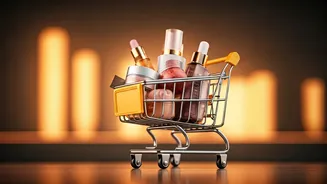
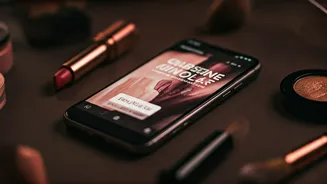
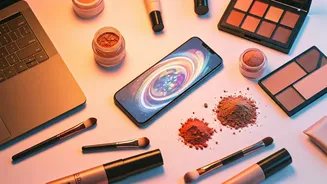
The internet, specifically the rise of social media and accessible e-commerce platforms, shattered this old model. Suddenly, anyone with a good idea and an internet connection could, in theory, build a brand. Platforms like Shopify provided the tools to set up an online store in days, not years. Social media apps like Instagram and YouTube offered a free, direct-to-consumer (D2C) marketing and distribution channel. The enormous cost of television ads, retail distribution networks, and celebrity endorsements was no longer an insurmountable barrier. The internet lowered the entry fee to the market, allowing a new generation of entrepreneurs to get in the game.
Answering Unmet Needs
This new access wasn't just about selling more of the same stuff online. The true democratic power emerged when Indian entrepreneurs started solving problems the giants had ignored for decades. Brands like SUGAR Cosmetics burst onto the scene with a clear mission: to create high-quality makeup for Indian skin tones that could withstand the Indian climate. Their bold, vibrant lipsticks and long-wear formulas resonated instantly. Similarly, Mamaearth tapped into a growing demand for 'toxin-free' baby and personal care products. These D2C brands weren't just selling products; they were listening to specific Indian consumer needs via social media comments and direct feedback, then creating solutions. This was a level of responsiveness the legacy brands, with their slow-moving global supply chains, couldn't match.
Creators as the New Kingmakers
Alongside D2C brands, a new force emerged: the beauty influencer. These were everyday people—makeup artists, skincare enthusiasts, and relatable personalities—who built trust and community by sharing authentic, unsponsored reviews from their bedrooms. Consumers began to trust a YouTuber from their city far more than a distant celebrity in an ad. For new D2C brands, collaborating with these micro- and macro-influencers was a game-changer. It was targeted, authentic, and cost-effective. Influencers became the new tastemakers, their recommendations driving millions in sales. This creator economy democratised influence, shifting power away from traditional media editors and advertising agencies to a diverse network of digital voices.
From Nykaa to Everywhere
No discussion of India's beauty boom is complete without Nykaa. Falguni Nayar's platform did more than just sell products; it created a comprehensive ecosystem. By aggregating hundreds of new and established brands, providing educational content, and fostering a review-driven community, Nykaa acted as a launchpad and a marketplace. It gave small D2C brands a credible, high-traffic platform to reach millions of customers, while giving consumers a single destination to discover and compare them. The success of Nykaa and the brands it champions—many founded by women—is a testament to this new democratic scale. It proves that with the right digital tools, an entrepreneur can build a billion-dollar company by catering to real, local needs.