







The Sky-High Cost of Going Home
Planning to fly home for Diwali this year feels more like a stock market gamble than a travel booking. Passengers are reporting sticker shock across the board, with fares on major routes climbing to astonishing levels. Data shows that one-way fares on key
routes like Delhi-Hyderabad have jumped by as much as 68% compared to last year. Other busy corridors, such as Mumbai-Kolkata and Bengaluru-Patna, have seen similar dramatic increases, with some last-minute tickets crossing the ₹25,000 mark for a one-way journey. A recent survey highlighted that a majority of travellers feel the financial pinch, with 72% stating they are paying significantly more for their festive travel this year than in 2025. This isn't a minor bump; it's a fundamental shift in the cost of one of India's most cherished traditions.
A Tale of Reduced Supply, Not Faltering Demand
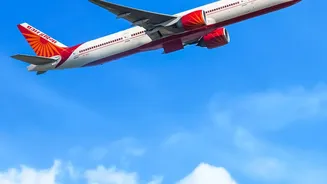
The natural assumption would be that such high prices would deter travellers, but the opposite is happening. Flights are full, and demand remains robust. The core of the issue lies not with a lack of will to travel, but a lack of available seats. Major airlines, including IndiGo and Air India, have actually reduced their capacity compared to the same festive period last year. Air India's capacity, for example, is down by a significant 12.6% in October. While the overall number of scheduled domestic flights has dipped by about 5%, airlines have tried to compensate by using larger aircraft, meaning total seat capacity is only down by a little over 1%. However, fewer flights mean fewer convenient departure times, creating bottlenecks and intense competition for the remaining seats, which inevitably drives prices up. This supply-side constraint is the primary driver behind the current fare surge.
The Perfect Storm for Airlines
From the airlines' perspective, this is a confluence of unavoidable costs and strategic decisions. A primary factor is the rising price of Aviation Turbine Fuel (ATF), which can constitute up to 40% of an airline's operating expenses. This surge in cost is directly passed on to consumers. Compounding this are ongoing logistical issues, such as delays in aircraft deliveries, which prevent airlines from quickly scaling up their fleets to meet peak demand. Finally, airlines employ 'dynamic pricing' algorithms. These systems automatically increase fares as seats fill up and the departure date approaches. During a concentrated demand window like Diwali, this AI-driven pricing model goes into overdrive, pushing the last available seats into premium territory. For airlines recovering from leaner periods, the festive season is a crucial quarter to bolster revenues.
The Unshakeable Pull of Home
Ultimately, the trend underscores a powerful cultural reality: for many Indians, celebrating festivals with family is non-negotiable. The emotional and social significance of being home for Diwali or Chhath often outweighs the financial burden. This is not just 'revenge travel' in a post-pandemic world; it's a deep-seated cultural imperative. This resilient demand gives airlines the confidence to maintain high prices, knowing that a significant portion of the population will pay, one way or another. While some may opt for trains or drive, the convenience and speed of air travel, especially for those working far from their hometowns, keep it the preferred, albeit expensive, choice. The data suggests that while discretionary leisure trips might see a dip, essential festive travel remains a priority.