

A Sweet Steeped in Mythology
The story of the Mathura peda is inseparable from the city's identity as the birthplace of Lord Krishna. The entire Braj region, encompassing Mathura, Vrindavan, and Gokul, is steeped in tales of Krishna's childhood, which are filled with references to milk,
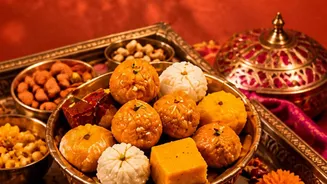
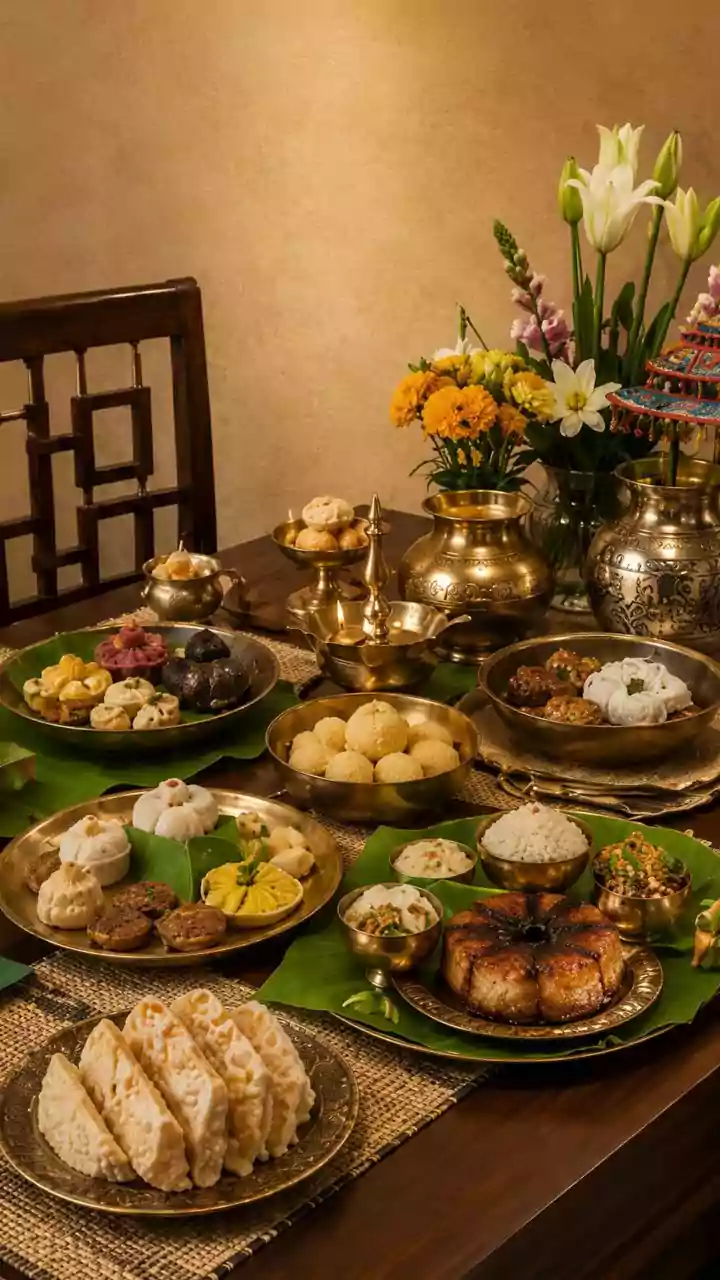
butter, and curd. He is famously called 'Makhan Chor' or the butter thief. This deep-rooted dairy tradition created the perfect environment for milk-based sweets to flourish. Peda became a primary offering, or 'prasad', in the temples dedicated to Krishna. Devotees visiting the sacred city would take these sweets back home, helping to spread their fame and solidify the connection between the city and its signature sweet. This transition from a simple temple offering to a treasured souvenir is key to its widespread reputation.
The Soul of the Peda: Khoya
At the heart of every Mathura peda is khoya, also known as mawa. This isn't just any khoya. It is made by patiently simmering full-fat milk, often rich buffalo milk, in a large, heavy-bottomed pan for hours. The process involves continuous stirring to prevent scorching as the water content evaporates, leaving behind concentrated milk solids. The quality of the local milk in the Braj region, an area historically known for its cattle, is considered fundamental to the final product's excellence. This slow reduction concentrates the milk's natural fats, proteins, and sugars, creating a base with an unmatched richness and creamy consistency that shortcuts using milk powder or condensed milk cannot replicate.
The Magic of the 'Bhun-na'
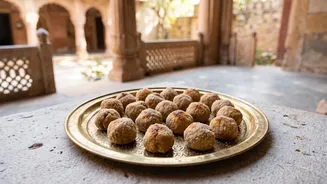
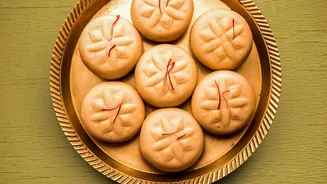
What truly sets the Mathura-style peda apart from its paler cousins found elsewhere is the crucial step of roasting, or 'bhun-na'. After the khoya is formed, it is roasted, often with a bit of ghee, over a controlled flame. This isn't a quick process. The khoya is patiently stirred until the milk sugars begin to caramelize, transforming its colour from creamy white to a characteristic golden-brown or tan. This slow-roasting is what develops the peda's deep, caramelized aroma and flavour, giving it a taste more akin to caramel than fresh cream. It is this meticulous technique that also contributes to the peda's unique texture and a longer shelf life compared to other milk sweets.
An Unforgettable Taste and Texture
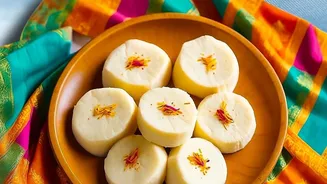
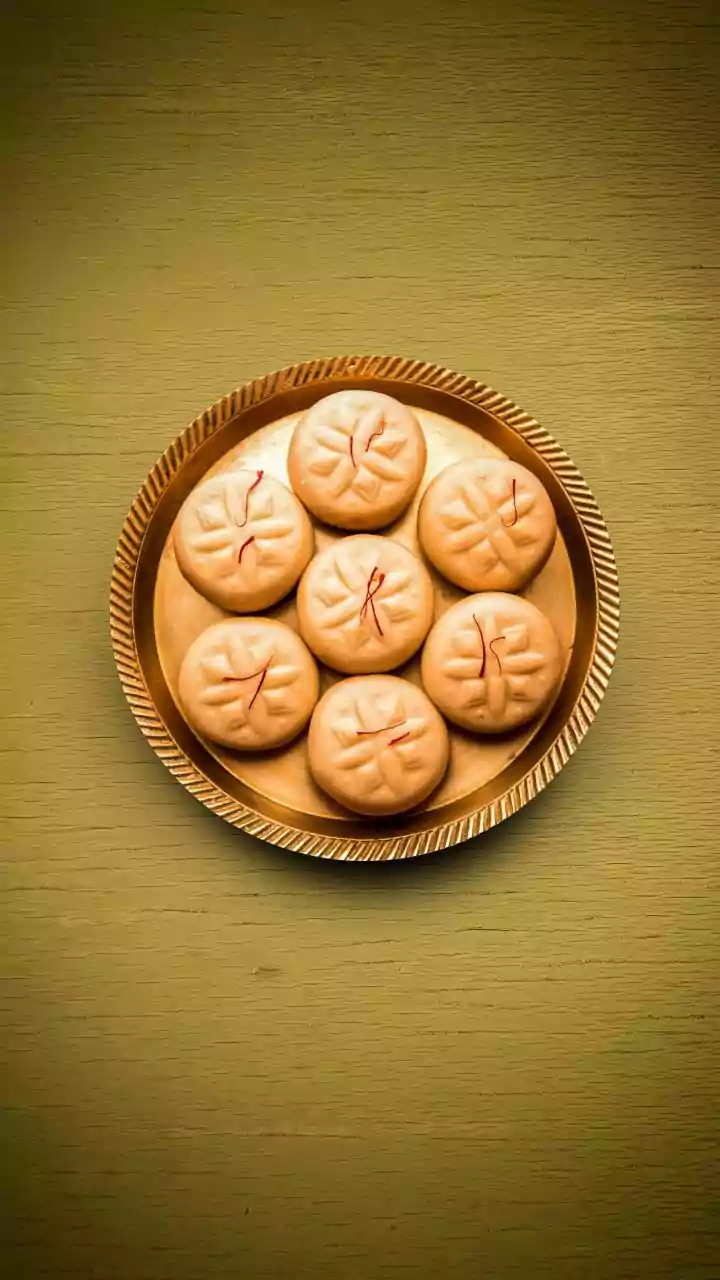
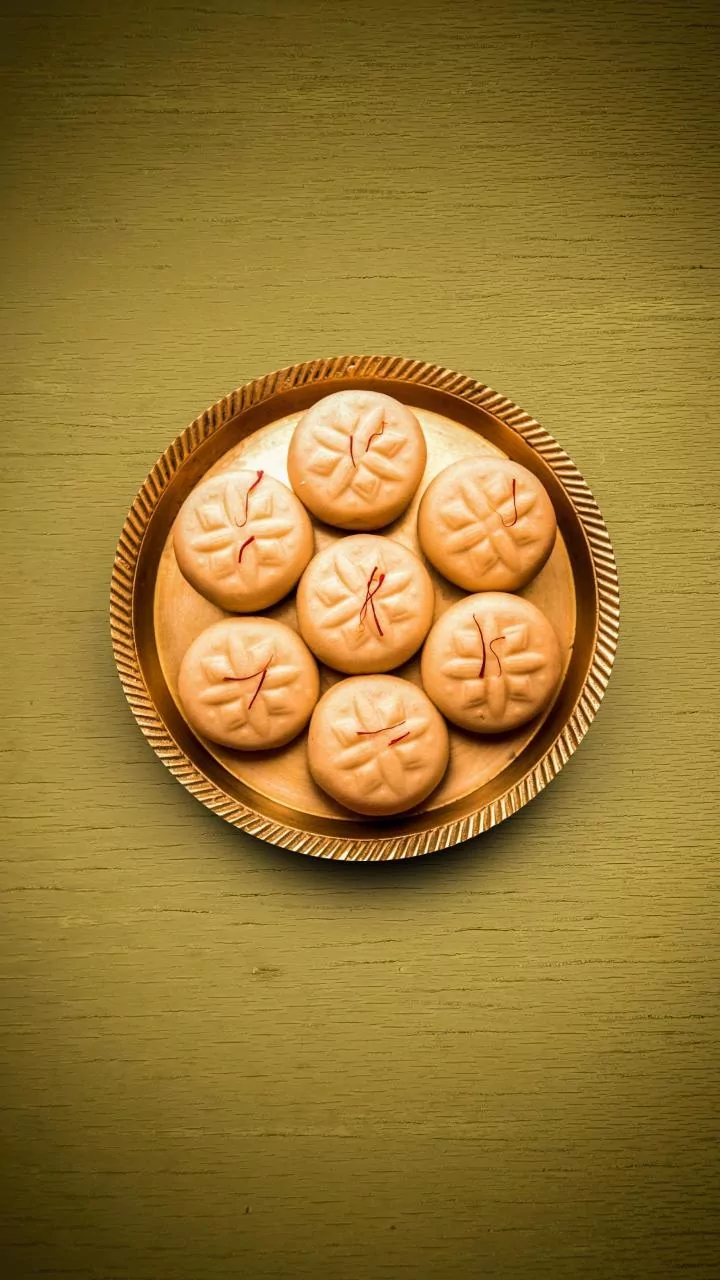
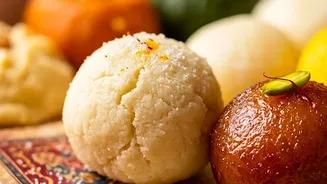
A perfect Mathura peda is a masterclass in balanced flavour and texture. The taste is primarily of rich, concentrated milk with caramel notes, where sweetness is a supporting act, not the star. Unlike smooth, fudge-like sweets, an authentic Mathura peda has a distinct 'danedar' or fine, grainy texture. This slight graininess comes from the roasted khoya and the use of a specific type of sugar called 'tagar' or 'boora', which is less fine than icing sugar. The pedas are often shaped into small, flattened discs and sometimes rolled in this sugar, giving them a dusty exterior that contrasts with the dense, melt-in-the-mouth interior. The experience is not just sweet; it is a complex and satisfying bite of culinary heritage.
Protecting a Culinary Legacy
The fame of Mathura peda is so immense that the name itself acts as a brand. To protect its authenticity from widespread imitation and adulteration, there has been a significant push to secure a Geographical Indication (GI) tag for the sweet. An application was filed by the Mithai Association Mathura to ensure that only pedas made in the region following traditional methods can carry the prestigious name. As of mid-2026, the process was still underway, with the tag expected to be granted soon. This legal protection acknowledges the deep cultural and economic importance of the peda, safeguarding a tradition that involves thousands of artisans and represents centuries of confectionery excellence.