








Beyond the Price Tag: A New Era of Booking
For years, the online travel game was dominated by a single strategy: sort by 'price: low to high'. But in the wake of global disruptions and growing economic caution, travelers' priorities have fundamentally shifted. Peace of mind has become the new
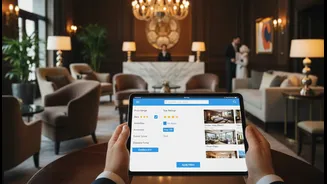
luxury. While price remains a factor, it is no longer the sole driver for booking decisions. Instead, travelers are now weighing a complex mix of value, security, and flexibility. This has pushed hotel booking platforms to evolve, placing a new emphasis on filters that address a traveler's anxieties directly, moving the decision-making process from a purely financial calculation to a more emotional and practical one. The core question is no longer just 'Can I afford this?' but 'Is this a safe bet?'.
The Power of the 'Free Cancellation' Filter
The single most powerful tool for building booking confidence is the flexible cancellation filter. In an era where plans can change at a moment's notice, the ability to cancel without a penalty is paramount. According to a 2026 TravelBoom Leisure Travel Study, a staggering 94.2% of travelers now expect some level of flexibility, with nearly half demanding fully free cancellation or rescheduling options. This is no longer a perk; it's a foundational expectation. Online travel agencies (OTAs) have recognized this, often prioritizing listings with flexible policies in their search results because they convert at a higher rate. For travelers, this filter acts as a safety net, removing the financial risk and psychological friction that causes hesitation at the checkout page. It empowers them to book further in advance with the assurance that they won't lose their money if circumstances change.
Cleanliness and Safety Take Center Stage
The heightened awareness of health and safety has had a lasting impact on traveler behavior. Cleanliness is now one of the most critical factors influencing guest satisfaction and booking decisions. A hotel's perceived commitment to hygiene can make or break its reputation. In response, booking sites have introduced filters that allow users to find properties with enhanced cleaning protocols. These might include details about sanitized rooms, contactless check-in services, and adherence to specific health standards. Studies have shown that a lack of cleanliness is a top reason for negative reviews and can deter a guest from returning. By using these filters, travelers can screen for hotels that publicly commit to the high standards they expect, providing another layer of reassurance and allowing them to feel more comfortable during their stay.
Finding Your Perfect Stay with Smarter Filters
Beyond flexibility and cleanliness, a host of other non-price filters help travelers tailor their search to their specific needs, thereby increasing their confidence in the final choice. Guest ratings and reviews remain a dominant choice driver, with many travelers trusting the recent experiences of others over a hotel's marketing promises. Filtering by a high review score is often the first step after setting a destination. Other increasingly popular filters cater to modern travel styles. For instance, those on a 'workcation' might filter for properties with verified high-speed Wi-Fi and dedicated workspaces. Others may prioritize sustainability by filtering for eco-certified hotels or those with specific green practices. These tools help narrow an overwhelming number of options into a manageable and relevant list, ensuring the chosen hotel aligns with the traveler's values and practical needs.
Do These Filters Really Build Confidence?
The answer is a definitive yes. These non-price filters work by addressing the primary sources of traveler uncertainty: financial risk, health concerns, and the fear of making a poor choice. By providing transparent and comparable information on what matters most to them—be it cancellation terms or guest reviews—these tools empower consumers. Psychologically, they reduce the 'choice overload' that can occur when faced with hundreds of options, making the decision-making process less stressful. When a traveler can filter for their non-negotiable requirements, the remaining options feel pre-vetted and more trustworthy. This shifts the dynamic from a stressful hunt for the cheapest option to a confident selection of the best-value and most secure choice, ultimately leading to higher booking satisfaction and fostering greater trust in the booking platform itself.