







How Humidity Disrupts Your Body’s Cooling System
Your body is designed to cool itself down for sleep, a process that’s crucial for entering the most restorative sleep stages. One of its primary cooling mechanisms is sweating. As sweat evaporates from your skin, it carries heat away from the body. However,
when humidity is high, the air is already saturated with water vapor, which means your sweat can't evaporate efficiently. Instead of cooling you down, the sweat simply sits on your skin, leading to that clammy, uncomfortable feeling. Your body has to work harder to lower its temperature, which can cause more frequent awakenings and prevent you from reaching deep, restful sleep.
The Impact on Your Sleep Stages
It’s not just about comfort; high humidity directly interferes with your sleep architecture. Scientific studies show that humid conditions can increase wakefulness and reduce the amount of time spent in both slow-wave (deep) sleep and REM sleep. These are the most critical stages for physical recovery, tissue repair, immune function, and memory consolidation. When these stages are cut short, you might wake up feeling groggy and unrested, even if you were in bed for a full eight hours. Indirectly, high humidity also promotes the growth of mold and dust mites, which can trigger allergies and respiratory issues that further disrupt sleep.
The Ideal Humidity for a Good Night’s Rest
So, what’s the magic number? Most experts, including the Environmental Protection Agency, agree that the ideal relative humidity for sleeping is between 30% and 50%. Some research suggests a slightly broader range of 40% to 60% is also effective. Staying within this window helps your body regulate its temperature naturally. It's the sweet spot that prevents the air from feeling sticky while also keeping your skin and nasal passages from becoming too dry. Anything above 60% is generally considered too high for optimal sleep, while levels below 30% can cause issues of its own.
Tips for Controlling Bedroom Humidity
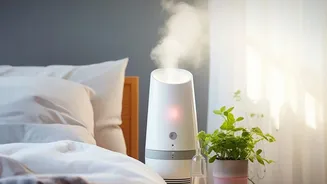
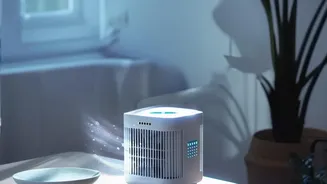
Managing your bedroom's humidity is easier than you might think. A dehumidifier is the most direct way to remove excess moisture from the air, especially during muggy seasons. Using an air conditioner also helps, as it both cools and dries the air. Simple habits can make a big difference, too. Ensure your room has good ventilation by opening windows when the outside air is drier or using fans to circulate air. Taking shorter, cooler showers and drying laundry outside can also prevent adding unnecessary moisture to your indoor environment. You can monitor your efforts with a simple, inexpensive device called a hygrometer, which measures humidity levels.
Don’t Forget About Low Humidity
While high humidity gets most of the attention, air that is too dry can also sabotage your sleep. When humidity drops below 30%, it can lead to dry, itchy skin, a scratchy throat, and irritated nasal passages. This can cause discomfort, coughing, and even increase snoring, all of which can wake you up during the night. In very dry climates or during winter when indoor heating is running, using a humidifier to add moisture back into the air can significantly improve sleep quality by keeping your airways comfortable.