






The Monsoon from a God's-Eye View
For most of us, the monsoon is experienced from the ground up. We watch from our windows as dark clouds gather, feel the first heavy drops on our skin, and navigate waterlogged streets. Flying during peak monsoon is often a turbulent, grey, and frankly
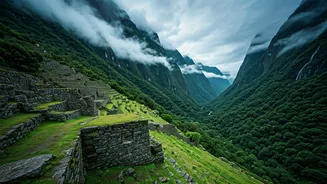
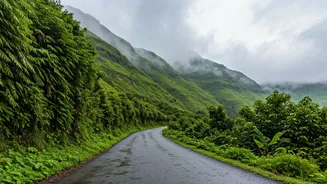
unnerving affair, with views obscured by thick cloud cover. The raw, staggering beauty of a rain-swept landscape—the vibrant green of the Western Ghats, the swollen rivers carving through plains, the dramatic dance of light and shadow—is a sight we rarely get to witness in its entirety. But a quiet revolution in digital technology is changing that. It’s now possible to take the pilot’s seat and soar through photorealistic Indian monsoons, all from the comfort of your living room. This isn't just a fantasy; it's the remarkably immersive world of modern flight simulation, which has evolved far beyond a simple game into a breathtaking form of digital tourism.
More Than Just a Game
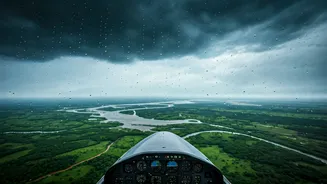
The key to this hyper-realistic experience is Microsoft Flight Simulator. Launched in 2020 and continuously updated, it represents a quantum leap in virtual world-building. The simulator doesn't just use generic textures; it streams petabytes of data from Bing Maps, recreating the entire planet with stunning accuracy using a combination of satellite imagery and AI. Hills, valleys, cities, and coastlines across India are rendered in intricate detail. But the real magic is its live weather engine. By integrating real-world meteorological data from services like Meteoblue, the simulator can replicate current weather conditions anywhere on Earth. If it’s raining in Mumbai, it’s raining in the simulator. It models cloud density, rain intensity, wind patterns, and even the way moisture glistens on your aircraft’s wings. This is the “like never before” element: the ability to fly through dynamic, living weather systems that mirror reality, turning a familiar season into a spectacular, interactive vista.
Virtual Journeys Across a Soaked Subcontinent
So, what does this actually look like? Imagine taking off from Cochin International Airport in a small propeller plane. As you climb, you see the intricate network of Kerala’s backwaters reflecting the bruised purple of the monsoon sky. You can fly low over the tea plantations of Munnar, watching as curtains of rain sweep across the hills, drenching them in a fresh, vibrant green. Or perhaps you’d prefer a more dramatic flight. Take a larger aircraft and navigate the turbulent air currents over the Brahmaputra in Assam, witnessing the immense scale of the flooded river plains below. You can circle over Mumbai as a storm rolls in from the Arabian Sea, the city lights beginning to blur and shimmer through the downpour. You can trace the path of the monsoon’s arrival, from the southern tip of Kanyakumari all the way up to the foothills of the Himalayas. Each flight is a unique story, a personal exploration of a familiar land seen from an impossible angle.
A New Kind of Digital Escapism
This isn't meant to replace the real feeling of the monsoon. Nothing can substitute the cool breeze or the earthy scent of rain on dry soil. Instead, it offers a powerful supplement—a new way to appreciate the sublime scale and beauty of this life-giving season. For those who are unable to travel, it's a window to the world. For aviation enthusiasts, it’s the ultimate challenge. And for the rest of us, it’s a meditative and awe-inspiring form of digital escapism. In a world where our screens often distract us from nature, here is a technology that, paradoxically, helps us connect with it more deeply. It allows us to be present in a moment of natural grandeur, safely navigating the power of the storm while admiring its artistry. It’s a chance to be a silent observer in the sky, watching the country we know so well transform under the spell of the rain.