



Pomegranate: The Antioxidant Powerhouse
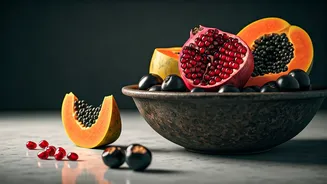
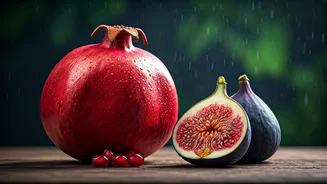
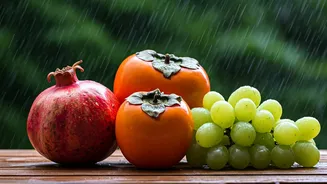
With its tough, leathery skin and crown-like top, the pomegranate looks like royalty, and its nutritional profile lives up to the image. Inside, hundreds of ruby-red seeds, or arils, are bursting with juice, fiber, and potent plant compounds. Pomegranates
are most famous for their incredibly high concentration of antioxidants, particularly punicalagins and anthocyanins. These compounds help combat oxidative stress in the body, which is linked to chronic inflammation and various health concerns. Studies suggest that the powerful antioxidants in pomegranates may support heart health by improving cholesterol profiles and blood pressure. Their anti-inflammatory properties are also being explored for a range of benefits. Seasonally, pomegranates are a hallmark of fall and early winter, typically appearing in U.S. markets from September through January. Don't be intimidated by the de-seeding process. The easiest method is to cut the fruit in half, hold it seed-side down over a bowl, and firmly tap the back with a wooden spoon. The arils will fall right out, ready for salads, yogurt, or just eating by the spoonful.
Papaya: The Tropical Digestion Aid
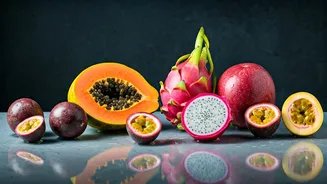
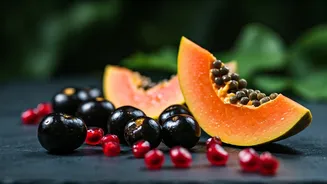
Bright, buttery, and unmistakably tropical, papaya is more than just a beautiful fruit. It’s a digestive hero, thanks to an enzyme called papain. This natural compound helps break down proteins, making it easier for your body to digest and absorb nutrients from your food. If you ever feel bloated or heavy after a protein-rich meal, a few slices of papaya can offer gentle, natural support. Beyond digestion, papaya is a vitamin C heavyweight, with a single cup providing well over 100% of the recommended daily intake, which is crucial for immune function and skin health. It's also an excellent source of vitamin A and folate. While many varieties are available year-round, papaya hits its peak sweetness and availability during the summer and fall. When shopping, look for fruit that is mostly yellow and gives slightly to gentle pressure. A ripe papaya is delicious on its own with a squeeze of lime, blended into a smoothie for a creamy texture, or diced into a vibrant fruit salsa.
Jamun: The Intriguing Purple Gem
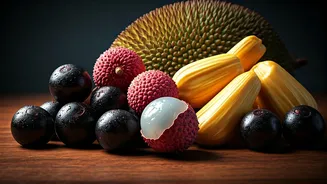
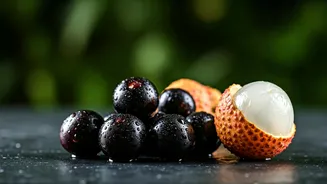
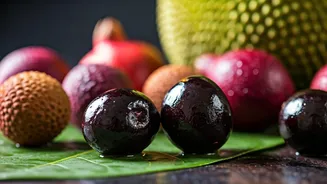
While pomegranate and papaya are familiar faces in American grocery stores, jamun might be a new and exciting discovery. Also known as black plum or Java plum, this deep-purple, olive-sized fruit is native to South Asia and is treasured in many cultures for both its flavor and its role in traditional wellness, particularly in Ayurvedic practices. The taste is a complex blend of sweet, sour, and a distinctively pleasant astringency that leaves your mouth feeling clean. Nutritionally, jamun is a standout. Its rich, dark color comes from anthocyanins, the same powerful antioxidants found in blueberries and pomegranates. It’s also low on the glycemic index, meaning it doesn't cause a rapid spike in blood sugar. Furthermore, it's a good source of vitamin C, iron, and potassium. Finding fresh jamun in the U.S. can be a treasure hunt, but it's worth checking South Asian or international grocery stores during its summer season. More commonly, you can find it in the freezer aisle, or as a juice or powder, making it easy to add to smoothies and other recipes year-round.