







The Monsoon Heritage on a Plate
Deep in the coastal regions of Karnataka, the Tulu calendar marks a month known as 'Aati'. Typically falling between mid-July and mid-August, this period coincides with the peak of the monsoon, a time of torrential rain that traditionally made farming
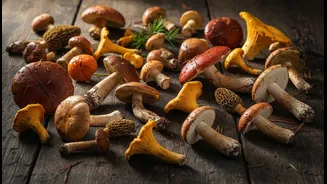
and fishing nearly impossible. Out of necessity, communities in Tulu Nadu turned to the resilient, wild, and foraged foods that thrived in the damp climate. This gave rise to a unique 'Aati' cuisine, a collection of dishes born from scarcity but rich in medicinal value. It was a diet designed by nature to boost immunity and provide warmth during a season that made people vulnerable to illness.
Ancient Ingredients, Modern Blends
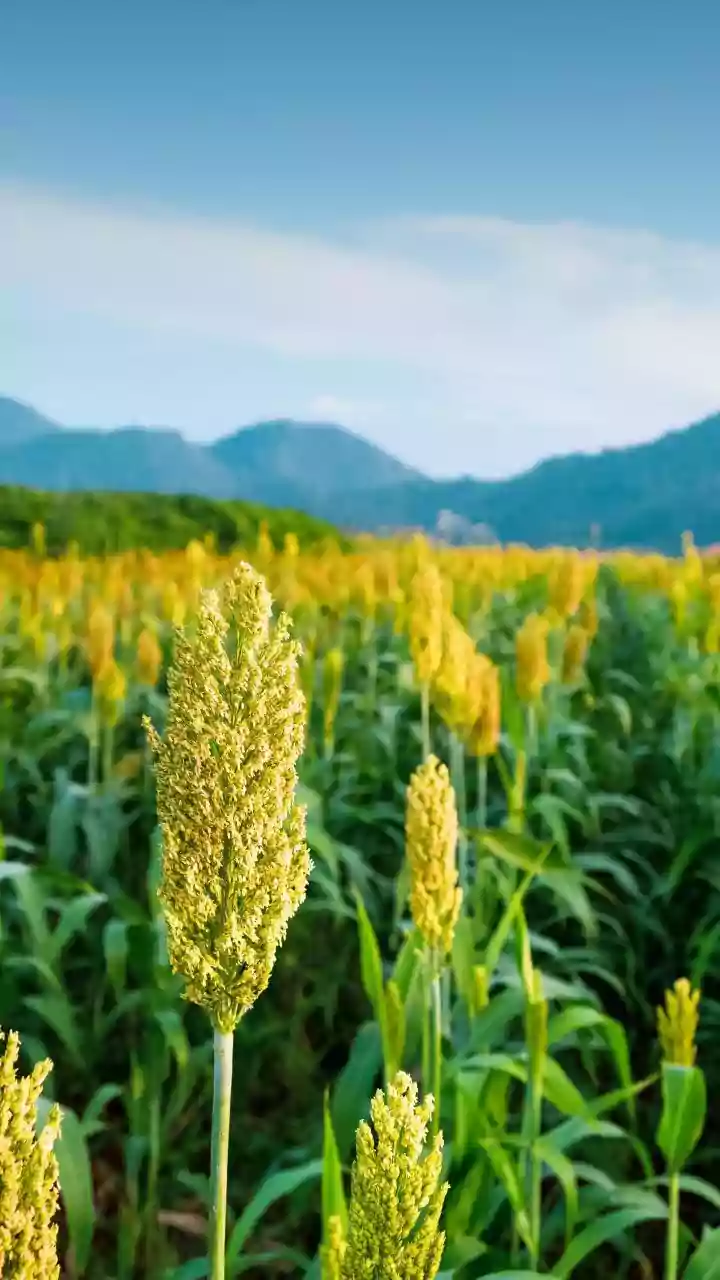
The stars of Aati cuisine are hardy, nutrient-dense, and often grow wild. Ingredients like 'kanile' (tender bamboo shoot), 'pathrode' (colocasia leaves), 'kudu' (horse gram), and various wild greens like 'thajank' and 'thimare' are staples. Traditionally, these were used in warming soups, steamed dumplings, and robust curries. For generations, people have known these foods to be packed with health benefits. Horse gram, for instance, is a protein powerhouse known for its high iron and calcium content. Bamboo shoots are an excellent source of dietary fibre, potassium, and vitamins. Similarly, colocasia leaves are rich in vitamins A and C. This ancestral wisdom forms the foundation of their modern revival.
From Forest to Frother in the Tech City
Bengaluru, a city synonymous with innovation and a thriving wellness culture, is the perfect incubator for this trend. While the concept is still emerging, innovative chefs and nutrition-focused entrepreneurs are beginning to look beyond imported 'superfoods' and toward local, indigenous ingredients. Instead of a traditional 'kudu saaru' (horse gram soup), imagine a post-workout smoothie made with sprouted horse gram protein. Rather than a steamed 'pathrode', picture a vibrant green wellness shot infused with the detoxifying properties of colocasia leaves. These modern interpretations take the core nutritional benefits of Aati ingredients and repackage them into formats that appeal to the urban, health-conscious consumer: quick, convenient, and potent.
Why Fitness? Why Now?
The appeal is two-fold. Firstly, the nutritional profiles of these ingredients align perfectly with modern fitness goals. The high protein in horse gram aids muscle repair, while the fibre in bamboo shoots supports gut health and weight management. These ingredients are natural immunity boosters, a quality highly sought after in today's wellness market. Secondly, there's a growing cultural shift. Consumers are increasingly seeking authenticity and sustainability. They want to know where their food comes from and are drawn to products with a story. A 'kanile' and ginger smoothie isn't just a health drink; it's a taste of a resilient food tradition, a connection to the forests of Karnataka, and a step towards a more sustainable, localised diet. This narrative is as compelling as the nutritional label.
Honouring Roots, Not Just Trends
As with any revival, the key is respect. The re-engineering of Aati ingredients is more than a culinary experiment; it's the celebration of generations of indigenous knowledge. For this trend to be meaningful, it must honour its origins. This means ensuring ethical sourcing that benefits the local communities who have been the custodians of this knowledge, giving credit to the tradition, and understanding the cultural context. It’s about creating a bridge between the past and the present, where ancestral wisdom is not just appropriated for a fleeting trend but is genuinely appreciated and sustained. When done thoughtfully, this fusion can bring well-deserved attention to a rich culinary heritage, ensuring it thrives for generations to come.