







The Calorie Burn Question
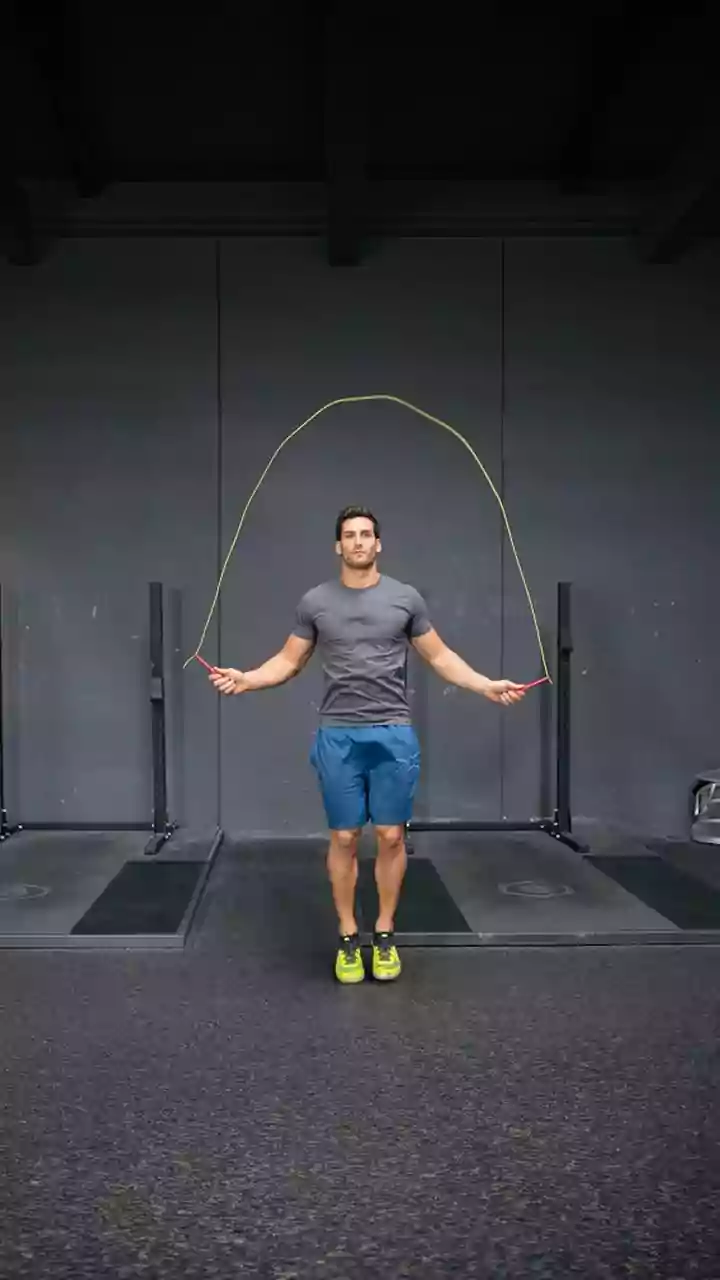
Let's get the most obvious comparison out of the way first: calorie expenditure. There's no contest here—skipping, or jumping rope, is a far more efficient calorie-burner than walking. As a high-intensity activity, skipping can burn a significant number
of calories in a short amount of time. Some estimates suggest that vigorous skipping can burn over 1,000 calories per hour, while brisk walking typically burns a fraction of that. In terms of metabolic equivalents (METs), a measure of exercise intensity, skipping is rated significantly higher than brisk walking. If your only goal is to burn the maximum number of calories in the shortest possible window, a 10-minute session with a jump rope will always beat a 10-minute walk. But calorie burn isn't the whole story of a successful fitness journey.
High-Impact vs. Low-Impact
The primary difference that affects accessibility and injury risk is impact. Skipping is a high-impact exercise, meaning both feet leave the ground and land, sending force through your joints. This can be excellent for building bone density but can also be stressful on the knees, ankles, and hips, especially for beginners, heavier individuals, or those with pre-existing joint issues. Walking, on the other hand, is the quintessential low-impact exercise. One foot is always on the ground, making it gentle on the body. This low-impact nature means walking is accessible to nearly everyone, regardless of age or fitness level, and carries a much lower risk of injury, which is a critical factor for long-term adherence to any fitness plan.
Cardio Health: HIIT vs. Steady-State
Skipping is a form of high-intensity interval training (HIIT), involving short bursts of intense effort followed by rest. This type of training is fantastic for improving VO2 max—a measure of how efficiently your body uses oxygen—in a shorter amount of time. It gets your heart rate up quickly and provides a powerful cardiovascular workout. Walking, particularly a long, brisk walk, is considered low-intensity steady-state (LISS) cardio. This method involves maintaining a moderate, consistent heart rate for an extended period. LISS is effective for building an aerobic base, improving endurance, and encouraging the body to use fat for fuel. Both HIIT and LISS are valuable for heart health, and many experts agree that the ideal fitness routine incorporates both.
The Underrated Power of Consistency
This is where a longer walk truly shines. While skipping is intense, it's also demanding. It requires coordination, space, and a certain level of physical resilience. For many, a daily 15-minute skipping session might feel daunting, leading to skipped days and eventual burnout. Research and fitness experts consistently find that enjoyment and the ability to stick with a routine are stronger predictors of long-term success than the intensity of the workout itself. A moderate routine that you actually follow will yield far better health outcomes over a year than an ambitious one you abandon after a few weeks. A 45-minute walk that you can do every single day, listen to a podcast during, and genuinely enjoy is infinitely more useful than a 10-minute skipping workout that you dread and only manage to do sporadically. Consistency, not short-term intensity, is the true engine of progress.
The Verdict: Which Is Better for You?
Ultimately, the 'better' exercise is the one that aligns with your personal goals, physical condition, and lifestyle. Skipping is a phenomenal tool if you are short on time, looking for a high-intensity challenge, and have no joint issues. It builds power, improves coordination, and burns calories at an impressive rate. However, to dismiss walking would be a huge mistake. Its accessibility and low-impact nature make it a sustainable and effective habit for almost anyone. It improves cardiovascular health, aids in fat loss, and is mentally refreshing. Rather than viewing them as competitors, consider them two different tools for two different jobs. You can use skipping for a quick, intense workout on busy days and reserve longer walks for when you have more time and want to focus on active recovery and endurance.