


The Currency of Nostalgia
There’s a powerful, almost primal comfort in the foods we grew up with. For many Indians, the taste of a Parle-G biscuit dipped in chai or the tangy burst of a Pulse candy is more than just flavour—it's a time machine. Marketers call this 'nostalgia marketing',
and it’s a goldmine. In a world that feels increasingly fast-paced and uncertain, consumers are finding comfort in the familiar. Brands are tapping into this deep-seated emotional connection, realising that the flavours of yesterday hold immense value today. This isn't just about re-releasing old products; it's about re-contextualizing them for a new audience that craves authenticity and a story behind what they consume. The memory of sharing an orange-flavoured ice lolly with a sibling is a powerful selling point, and brands are leveraging that shared cultural memory to great effect.
Enter Gen Z: The Remix Generation
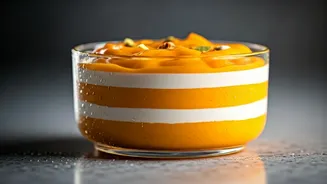
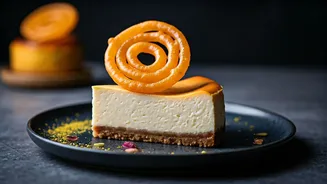
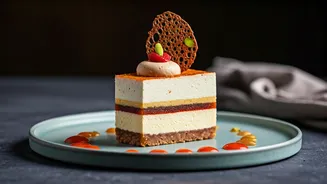
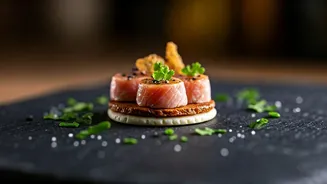
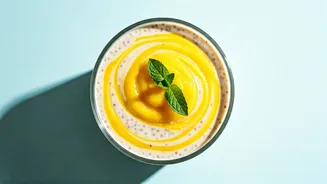
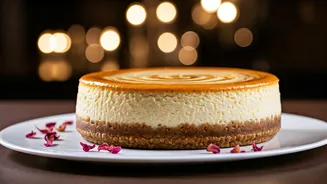
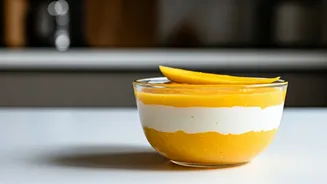
But this isn't just a simple case of looking backward. The trend is being supercharged by Gen Z, a generation that approaches tradition with a unique 'remix' sensibility. They appreciate the classics but demand they fit into their modern lifestyle. This means a few key things. Firstly, health and wellness are paramount. While they love the idea of their parents' favourite sweets, they’re wary of high sugar content and artificial ingredients. They are looking for 'better-for-you' versions—think jaggery instead of refined sugar or desserts made with whole grains. Secondly, aesthetics are everything. In the age of Instagram and TikTok, food must be visually appealing. A simple ladoo might taste divine, but a deconstructed ladoo cheesecake served in a martini glass is what gets the likes and shares. This generation documents their lives through a camera lens, and their food has to be ready for its close-up.
Old Flavours, New Avatars
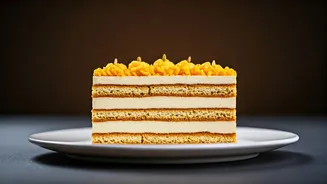
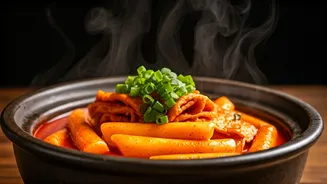
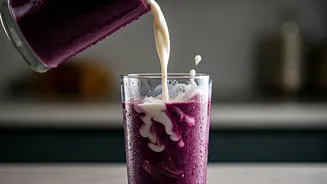
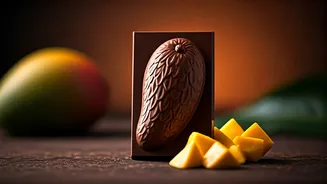
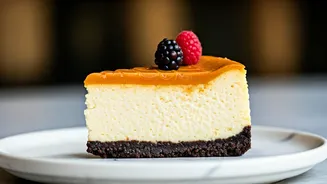
The result of this collision between nostalgia and novelty is a creative explosion in India's food scene. It’s not just the big brands doing the innovating; it’s also artisanal chefs, home bakers, and trendy cafes. We’re seeing Parle-G, the humble biscuit of the masses, transformed into decadent cheesecake bases, tiramisu layers, and even ice cream flavours. The iconic Mango Bite toffee is being churned into artisanal gelato. Rooh Afza, the quintessential summer cooler, is now appearing in panna cotta, macarons, and craft cocktails. Even the simple kaju katli is being reimagined with new infusions like lavender or rose. These new forms allow consumers to experience a beloved flavour in a completely new and often more premium format. It’s a way to honour the past while indulging a modern palate.
The Social Media Engine
This trend wouldn't be nearly as widespread without social media. A single viral Reel of someone making a 'Kismi Toffee Latte' can spawn a thousand imitations overnight. Food bloggers and influencers are constantly on the hunt for the next unique creation, and reimagined classics are perfect content. They are familiar enough to be relatable but novel enough to be exciting. This digital word-of-mouth creates a feedback loop: a cafe introduces a 'Magic Pops-infused chocolate bar', an influencer posts about it, it goes viral, and suddenly a dozen other businesses are trying their own spin. Social media platforms have become the new-age marketplaces where culinary trends are born, validated, and amplified at lightning speed, turning a childhood memory into a must-try experience for a globalised, digitally-native generation.