


The Move Beyond Mass-Produced Kibble
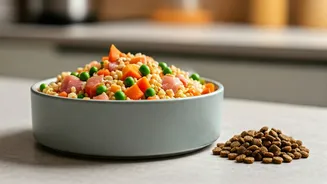
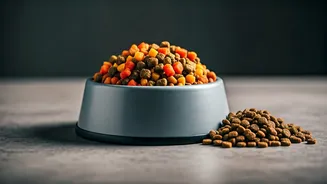
For decades, the default meal for pets in India was either table scraps or a bowl of dry, processed kibble. Now, a growing wave of pet parents is looking for healthier, fresher alternatives. This shift is driven by increasing awareness about pet nutrition,
concerns over fillers and preservatives in commercial foods, and a desire to provide the best possible care. Pet owners are increasingly viewing their pets as family and are willing to invest more in their well-being, which starts with what’s in their food bowl. Issues like food allergies, digestive problems, and dull coats have led many to question the adequacy of conventional pet food, pushing them towards options where they control the ingredients.
What’s on the Custom Menu?
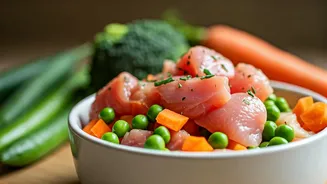
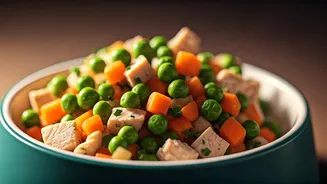
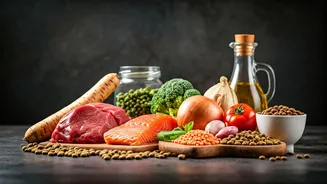
Customisation is key to the fresh food trend. Meals are being tailored to a pet's specific breed, age, weight, activity level, and health conditions. High-quality protein like chicken, fish, and paneer often forms the base. This is supplemented with digestible carbohydrates such as rice, oats, and sweet potato, and fibre-rich vegetables like pumpkin, carrots, and beans. Some diets even incorporate traditional Indian ingredients known for their health benefits, such as turmeric. The goal is to create a balanced bowl using human-grade ingredients, meaning they are fit for human consumption. This ensures higher quality and safety compared to feed-grade ingredients often found in cheaper pet foods.
The Rise of D2C Fresh Food Brands
Catering to this growing demand is a new crop of direct-to-consumer (D2C) pet food companies. Brands like BARF India, Pawfectly Made, and DogChef are offering freshly cooked, pre-portioned meals delivered right to the customer's doorstep. These services take the guesswork out of homemade diets by providing vet-formulated recipes that are nutritionally complete. Many of these brands offer customisable plans based on a pet's unique profile, addressing everything from allergies to weight management. This model provides the quality of a homemade meal with the convenience of a subscription service, appealing to busy urban pet parents.
The DIY Approach: Cooking at Home
While subscription services are convenient, many pet owners prefer the hands-on approach of cooking for their pets at home. This allows for total control over ingredients and preparation. Simple recipes like chicken and rice or a vegetable-rich khichdi (without salt and spices) are popular starting points. However, veterinarians caution that creating a nutritionally balanced meal at home is more complex than it seems. Simply mixing meat and rice can lead to deficiencies in crucial nutrients like calcium, zinc, and certain vitamins over time. To bridge this gap, platforms like Desi Pet Recipes have emerged, helping owners build scientifically balanced meals using common Indian ingredients, ensuring their home-cooked efforts support, rather than harm, their pet's health.
What the Experts Say
Veterinarians and pet nutritionists largely view the move towards fresh food positively, as it encourages owners to think more critically about their pets' diets. Fresh food offers better digestibility, improved skin and coat health, and higher moisture content, which is beneficial for hydration. However, the primary concern among experts is nutritional balance. An unbalanced diet, whether fresh or processed, can cause serious health issues. The consensus is clear: whether you're subscribing to a service or cooking at home, the diet plan should be formulated or approved by a veterinary professional to ensure it meets all of your pet's specific needs. Abruptly switching diets can also cause digestive upset, so a gradual transition over several days is recommended.